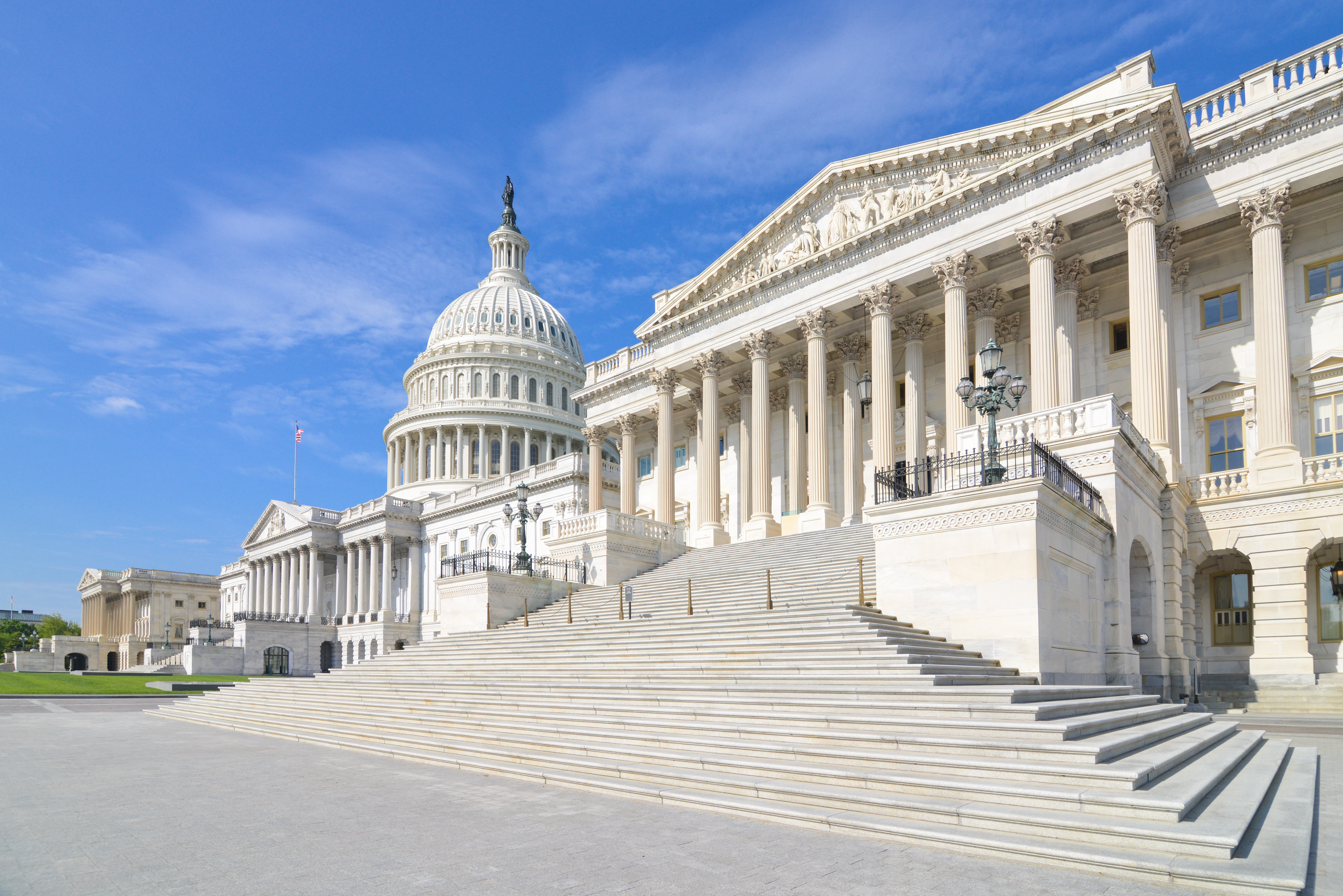
While Washington DC may seem like the obvious center of American political power, several other cities across the nation wield tremendous influence on policy, elections, and the national agenda. From financial powerhouses to media capitals and ideological strongholds, these cities shape American politics in ways that extend far beyond their city limits.
Political power in America doesn't just reside in government buildings-it flows through cities that shape policy, elections, and national conversations. While constitutional authority may be distributed across branches of government, real-world political influence concentrates in specific urban centers that drive American political life.
These cities function as ecosystems where policy is debated, money is raised, coalitions are formed, and national narratives are crafted. Their influence extends far beyond their geographic boundaries, affecting how power operates throughout the entire country.
Washington DC: The Federal Power Center
As the seat of all three branches of federal government, Washington DC stands as the obvious nerve center of American political power. The city houses not just Congress, the White House, and the Supreme Court, but also:
The lobbying industry centered around K Street employs over 11,000 registered lobbyists who collectively spend billions annually to influence legislation. Think tanks like the Brookings Institution and Heritage Foundation develop policy blueprints that often become law. The city's revolving door between government positions and private sector jobs creates a unique power ecosystem.
Beyond formal institutions, DC's cocktail parties, fundraisers, and social events serve as unofficial venues where political deals are often negotiated away from public view.

New York: Financial and Media Influence
While not a government center, New York City wields enormous political influence through its dominance of finance and media. Wall Street firms not only fund political campaigns but also shape economic policy through their market power and relationships with the Federal Reserve.
The city hosts headquarters for major media conglomerates that set the national agenda, including The New York Times, News Corp, NBCUniversal, and countless digital media startups. These organizations determine which issues receive attention and how they're framed for public consumption.
New York also serves as a crucial fundraising stop for politicians of both parties, with Manhattan consistently ranking among the top ZIP codes for political donations. The city's wealthy donor class exerts significant influence on candidate selection and policy priorities.
San Francisco: Tech Policy Powerhouse
The Bay Area has emerged as a critical power center as technology increasingly shapes politics and governance. Silicon Valley companies like Google, Facebook, and Twitter make decisions affecting political speech, information flow, and privacy that rival or exceed government authority in many domains.
Tech executives and venture capitalists have become major political donors and policy advocates, particularly on issues like immigration, trade, and regulation. The region's innovation culture has also produced new political organizing tools and campaign technologies that have transformed how elections are contested.
San Francisco's progressive politics have created policy models for labor, environmental, and social justice issues that spread nationally, making the city an incubator for left-leaning policy approaches.

Chicago: Political Machine Legacy
Chicago's historical political machine may have evolved, but the city remains a power center due to its political networks and organizing tradition. The city that produced Barack Obama, Rahm Emanuel, and David Axelrod continues to export political talent nationally.
The Chicago model of political organization - combining strong party discipline with coalition politics across diverse communities - has influenced Democratic Party operations nationwide. The city's labor unions maintain significant political influence both locally and in national politics.
Chicago's position as the dominant urban center in the Midwest gives it outsized importance in presidential politics, particularly in Democratic primary contests where its political infrastructure can deliver crucial support.
Boston: Intellectual Power Center
Boston exerts political influence through its unparalleled concentration of academic institutions. Harvard, MIT, Boston University, and other schools serve as training grounds for future political leaders and policy experts while producing research that shapes national debates.
The Kennedy School of Government alone has trained countless political figures, while the revolving door between academia and government positions ensures Boston's intellectual framework influences Washington policymaking. Massachusetts' progressive policies on healthcare, education, and other issues frequently become models for national legislation.
Boston's historical importance in American political thought-from the Revolution through the Kennedy legacy-continues to give the city moral authority in national political discussions.
Los Angeles: Entertainment and Cultural Influence
Los Angeles shapes American politics through cultural production and entertainment industry activism. Hollywood creates narratives that influence how Americans understand political issues, from military interventions to social justice movements.
The entertainment industry's celebrity activists and executives represent a major source of Democratic fundraising and public messaging. Studios and production companies increasingly incorporate political and social messages in mainstream entertainment, affecting public opinion on issues from LGBTQ+ rights to climate change.
As America's most prominent majority-minority major city, Los Angeles represents the demographic future of the country, making its political dynamics a preview of national trends.

Austin: Emerging Political Laboratory
As the blue island in red-state Texas, Austin has become a fascinating political laboratory and growing power center. The city hosts South by Southwest (SXSW), which has evolved into a major venue for political figures and policy discussions, particularly around technology regulation and innovation.
Austin's rapid population growth has made it a testing ground for how progressive urban politics can function within conservative state frameworks. The tension between city and state government in Austin represents wider national urban-rural divides.
The city's status as a tech hub-with major operations from Apple, Google, Facebook, and others-has created a secondary Silicon Valley with growing influence on digital policy discussions.
Atlanta: Civil Rights Legacy and New South Politics
Atlanta's political importance stems from its role as both the center of Black political power in America and the economic capital of the New South. The city that produced Martin Luther King Jr., John Lewis, and Stacey Abrams continues to be an incubator for civil rights leadership and voting rights advocacy.
Atlanta's historically Black colleges and universities (HBCUs) like Morehouse and Spelman have educated generations of political leaders. The city's business community, including major corporations like Coca-Cola and Delta, increasingly engages in political issues, as seen in the corporate response to Georgia's voting laws.
Atlanta's demographic transformation-with growing Asian and Hispanic populations alongside its Black plurality-makes it a preview of America's multicultural political future.
Houston: Energy Sector Influence
Houston's political power derives primarily from its position as the capital of America's energy industry. The city's oil and gas companies exert enormous influence on energy policy, environmental regulation, and international relations with petroleum-producing nations.
The energy sector's economic importance gives Houston outsized influence in both Texas and national politics, with politicians of both parties carefully attending to the industry's concerns. Houston's port and international trade connections make it a center for discussions on trade policy and immigration.
The city's experience with climate disasters, particularly hurricanes and flooding, has made it an important voice in climate adaptation policy debates, even as its energy industry often opposes aggressive climate mitigation measures.
Miami: Gateway to Latin American Politics
Miami's political influence stems from its position as the nexus between American and Latin American politics. The city's Cuban American community has historically wielded influence over U.S. policy toward Cuba disproportionate to its size.
As a hub for Latin American media, finance, and cultural exchange, Miami shapes how U.S. policies toward the region are developed and perceived. The city has become a crucial battleground for both parties seeking to win Hispanic voters, with political messaging tested and refined there before being deployed nationally.
Miami's experience with climate change and sea level rise has made it a leader in climate adaptation policy, influencing how coastal cities nationwide approach environmental challenges.

Frequently Asked Questions About 10 Most Powerful Cities Shaping American Politics and Policy
Why isn't Philadelphia on the list of most powerful political cities?
Philadelphia certainly has significant political importance, particularly in presidential elections as Pennsylvania's largest city in a crucial swing state. However, it doesn't have the same level of concentrated power in specific sectors (like finance, tech, or energy) that gives cities like New York or Houston outsized national influence. That said, Philadelphia's importance in electoral politics makes it a close contender that could easily be included in an expanded list.
How do these power cities influence presidential elections?
These cities influence presidential elections in multiple ways: they serve as major fundraising centers (particularly New York and San Francisco), provide campaign infrastructure and political talent (especially Chicago and Washington DC), shape media narratives about candidates (New York and Los Angeles), and in some cases represent important voting blocs in swing states (Miami in Florida, Atlanta in Georgia). Additionally, policy positions often need to address the economic interests of these power centers to gain elite support.
Do Republican and Democratic politicians rely on different power cities?
There are certainly partisan differences in how these cities function in American politics. Democrats tend to draw more support from New York, San Francisco, Boston, and Los Angeles, while Republicans have traditionally had stronger connections to Houston's energy sector and business communities in southern cities. However, politicians from both parties must engage with Washington DC's power structure and seek media coverage from New York-based outlets. Miami is increasingly important to both parties as they compete for Hispanic voters.
How has social media affected the power of these cities?
Social media has simultaneously reinforced and challenged these cities' political power. San Francisco's influence has grown as social media platforms based there increasingly shape political discourse. However, digital communication has also democratized access to political organization and fundraising, allowing movements to emerge outside traditional power centers. Nevertheless, the economic, institutional, and network advantages of these cities ensure they maintain significant influence even in the digital age.
Which city has gained the most political influence in recent years?
San Francisco/Silicon Valley has arguably gained the most political influence over the past two decades as technology companies have acquired unprecedented power over information flow, communication, and commerce. Decisions made by tech platforms about content moderation, algorithmic amplification, and privacy now have direct impacts on politics and governance. Additionally, tech wealth has transformed San Francisco into one of the top sources of campaign funding, further enhancing its political influence.


