The United States uses counties as primary administrative divisions within states, with over 3,000 counties across the nation. These local government units vary dramatically in size, population, and function from state to state, with unique systems in Louisiana (parishes), Alaska (boroughs), and some independent cities that function outside the county system entirely.
The United States' system of government operates on multiple levels, from federal to state to local jurisdictions. At the heart of local governance lies a complex patchwork of over 3,000 counties spanning the nation. These administrative divisions serve as the backbone of local government, yet their structures, functions, and even names vary dramatically depending on which state you're in.
Counties represent a critical middle layer of governance between state governments and municipalities. They deliver essential services that directly impact residents' daily lives, from maintaining roads to recording property deeds to administering elections. Understanding how counties function provides insight into America's distinctive approach to federalism and local control.
What Are Counties in the United States?
Counties are geographical and administrative divisions within states, serving as the primary legal divisions of most states. Every state except Connecticut and Rhode Island is divided into counties or county equivalents. In total, the United States has 3,143 counties and county equivalents, including parishes in Louisiana, boroughs in Alaska, and independent cities in various states.
Counties typically encompass multiple towns, cities, or other municipalities, though their relationship with incorporated places varies by state. They usually provide services to unincorporated areas that would otherwise be handled by municipalities.
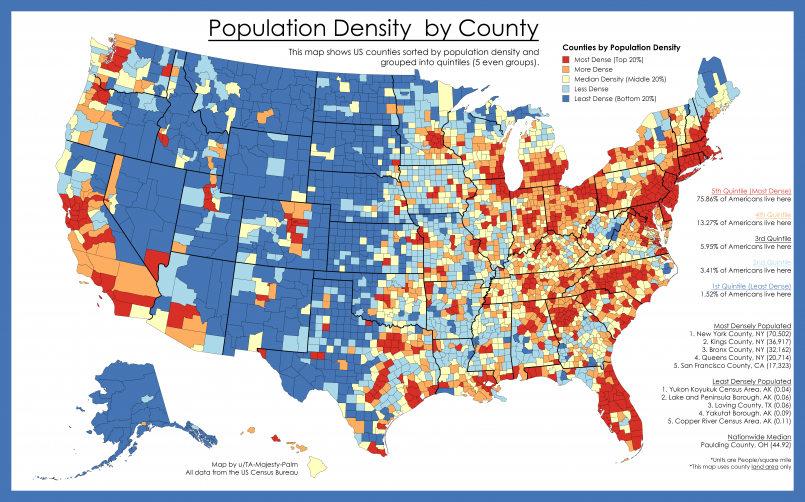
The size and population of counties vary enormously. Los Angeles County, California, has over 10 million residents, while Loving County, Texas, has fewer than 100 people. Geographically, San Bernardino County in California spans over 20,000 square miles, larger than nine U.S. states, while Kalawao County, Hawaii, covers just 13 square miles.
Historical Development of the County System
The American county system has deep historical roots tracing back to English local government traditions. When English colonists arrived in North America, they brought familiar administrative structures with them.
The first counties in America were established in Virginia in 1634. As the nation expanded westward, the county system spread with settlement patterns, adapting to different geographical and social conditions. Western states typically created larger counties than eastern states due to sparse population and challenging terrain.
County boundaries were often drawn based on practical considerations: ensuring residents could travel to the county seat and back in a single day by horse was a common guideline in the 19th century. These historical decisions continue to shape modern governance, though technological changes have made many original boundaries less relevant.
County Variations Across States
The number of counties varies dramatically by state. Texas leads with 254 counties, followed by Georgia with 159 and Kentucky with 120. Delaware has the fewest counties with just 3, while Hawaii and Rhode Island each have 5.
States establish their own systems for creating and managing counties. Some state constitutions mandate county structures, while others provide legislative frameworks. This leads to significant differences in county powers, responsibilities, and relationships with state government.
Some key variations include:
- Louisiana calls its county-equivalents "parishes" due to its French and Spanish colonial history
- Alaska uses "boroughs" instead of counties, with much of the state in the "Unorganized Borough"
- Connecticut and Rhode Island have no functioning county governments, though county boundaries remain for historical and statistical purposes
- Massachusetts has abolished eight of its fourteen county governments
- New York has five counties that are also boroughs of New York City
County Functions and Responsibilities
Counties provide a wide range of essential government services, though specific responsibilities vary by state. Common functions include:
- Law enforcement through county sheriff's departments
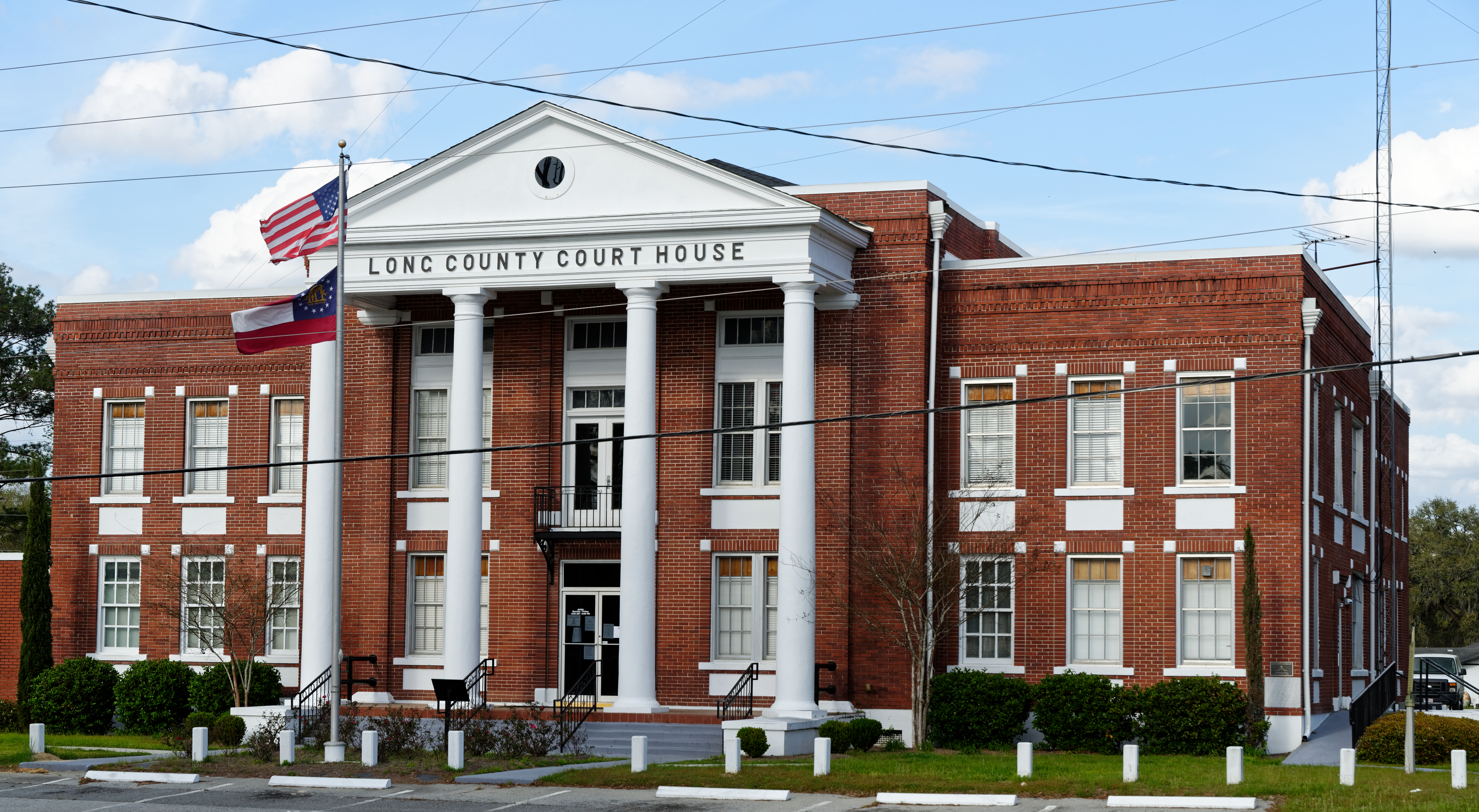
- Court administration and legal records
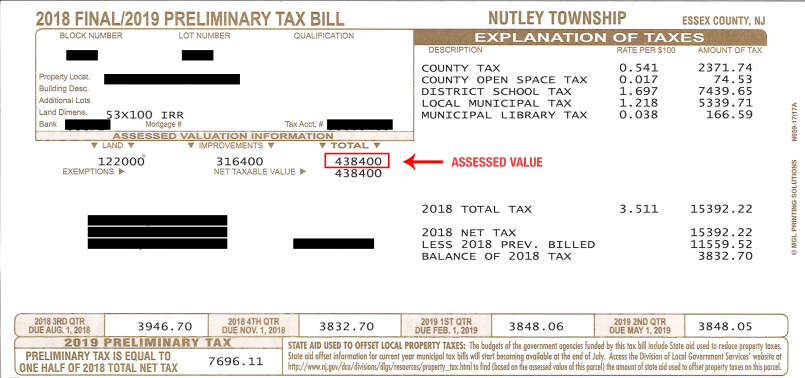
- Property assessment and tax collection
- Vital records (birth, marriage, death certificates)
- Road and bridge maintenance in unincorporated areas
- Election administration
- Public health services
- Social services administration
- Land use planning and zoning in unincorporated areas
In some states, counties also manage public schools, libraries, hospitals, airports, transit systems, and utilities. The scope of county authority is defined by each state's constitution and laws under the legal principle known as "Dillon's Rule," which holds that local governments have only those powers expressly granted by state law.

County Governance Structures
County governance structures vary widely across the United States, but most follow one of several common models:
- Commission system: A small group of elected commissioners (typically 3-5) serves as both the executive and legislative authority
- Council-executive system: Separates powers between an elected council (legislative) and elected executive
- Council-administrator system: An elected council hires a professional administrator to manage day-to-day operations
Most counties have elected officials responsible for specific functions regardless of the overall governance structure. These typically include:
- Sheriff (law enforcement)
- Clerk (records)
- Assessor (property valuation)
- Treasurer (finances)
- District Attorney/Prosecutor (criminal prosecution)
- Coroner/Medical Examiner (death investigations)
County elections are typically partisan in most states, with officials identified by political party. However, some states have moved toward nonpartisan county elections to reduce political influence in local governance.
Unique County Systems in America
Several jurisdictions have developed distinctive approaches to county-level governance:
Independent Cities: Virginia has 38 independent cities that function outside the county system entirely. Baltimore (Maryland), St. Louis (Missouri), and Carson City (Nevada) are also independent cities. These jurisdictions perform both municipal and county functions.
Consolidated City-Counties: Some jurisdictions have merged city and county governments to eliminate service duplication and improve efficiency. Examples include San Francisco (California), Denver (Colorado), Jacksonville-Duval County (Florida), and Nashville-Davidson County (Tennessee).
The Unorganized Borough in Alaska covers over half the state's land area but has no county-level government. The state government provides services directly to these areas.
New York City encompasses five counties (Bronx, Kings, New York, Queens, and Richmond) that are simultaneously boroughs of the city. These counties have limited functions compared to others in the state.
Notable County Facts and Records
American counties hold numerous distinctions and records:
- The oldest county is Kent County, Delaware, established in 1642
- The newest county is Broomfield County, Colorado, created in 2001
- The most populous county is Los Angeles County, California, with over 10 million residents
- The least populous county is Loving County, Texas, with fewer than 100 residents
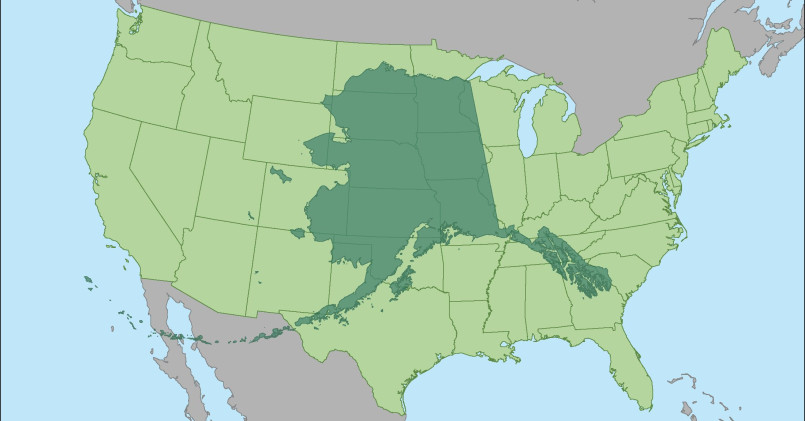
- The geographically largest county is Yukon-Koyukuk Census Area, Alaska (larger than 38 states)
- The smallest county by area is Kalawao County, Hawaii (13 square miles)
Some counties have unusual shapes or boundaries. For example, San Juan County, Washington consists entirely of islands. Mathews County, Virginia is connected to the rest of the state only by bridges.
Four states (Delaware, Rhode Island, New Jersey, and Connecticut) are small enough that every point within the state is within commuting distance of a major city, leading to less need for robust county governments.
The Future of Counties in American Governance
The role of counties in American governance continues to evolve in response to changing demographics, technology, and governance needs:
- Some states are exploring county consolidation to improve efficiency and reduce costs
- Growing urbanization has blurred traditional distinctions between city and county roles
- Counties increasingly face unfunded mandates from state and federal governments
- Technology is transforming service delivery and citizen engagement at the county level
- Climate change and natural disasters are expanding county emergency management responsibilities
Despite these challenges, counties remain essential units of local governance across America. Their ability to adapt to changing needs while maintaining local representation exemplifies the flexibility of American federalism. As the nation continues to evolve, counties will likely remain vital administrative divisions, though their specific functions and structures may continue to transform.
Frequently Asked Questions About How U.S. States Are Divided Into Counties: Understanding America's Local Government Structure
Why does Louisiana use parishes instead of counties?
Louisiana uses parishes instead of counties due to its French and Spanish colonial heritage. When Louisiana became a state in 1812, it maintained this distinctive system from its history as a Roman Catholic territory where church parishes were the primary local division. Louisiana is the only state to use this parish designation for its primary administrative divisions.
What's the difference between a county and a city?
Counties and cities are different levels of local government with distinct roles. Counties are larger administrative divisions of a state that typically contain multiple municipalities. They provide regional services like courts, elections, and property records. Cities are incorporated municipalities with defined boundaries that provide urban services like police, water, and trash collection. Some jurisdictions have merged city-county governments to improve efficiency.
Do all states have counties?
While all 50 states are divided into county or county-equivalent jurisdictions, not all states have functioning county governments. Connecticut and Rhode Island have completely abolished their county governments, with municipalities and the state handling all local governance. Massachusetts has eliminated government in 8 of its 14 counties, and Alaska has large portions of the state (the Unorganized Borough) with no county-level government.
Who runs a typical county government?
Most counties are governed by an elected board of commissioners or supervisors who serve as both the legislative and executive branches. Many counties also have numerous independently elected officials who manage specific functions, including sheriff, clerk, assessor, treasurer, coroner, and district attorney. Larger counties often employ a professional county administrator or manager to handle day-to-day operations under board direction.
How are new counties created?
The process for creating new counties varies by state but typically requires state legislative approval and often a public referendum. Most states have constitutional or statutory requirements regarding minimum population, minimum area, and minimum distance from existing county seats. New county formation has become rare in modern times - the most recent was Broomfield County, Colorado, created in 2001.
What's the difference between a borough in Alaska and a regular county?
Alaska uses boroughs instead of counties, but with key differences. Only about half of Alaska is divided into organized boroughs, with the remainder falling under the "Unorganized Borough" administered directly by the state. Alaska's boroughs generally have more power than typical counties, often handling education and zoning. The borough system was created when Alaska became a state in 1959, designed specifically for its unique geography and sparse population.