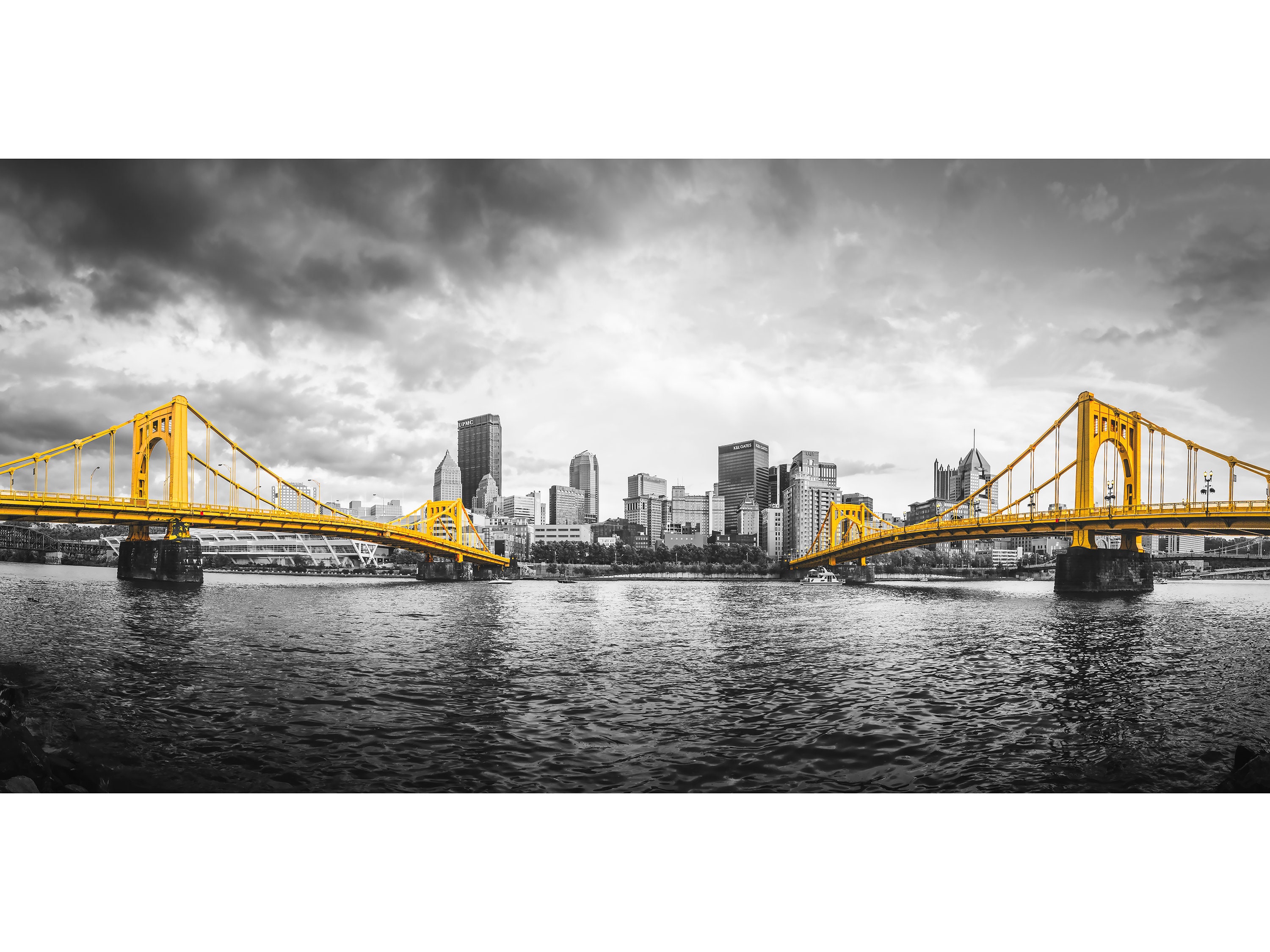
With more bridges than Venice, Italy, Pittsburgh boasts over 446 bridges spanning its three rivers. The city's unique geography at the confluence of the Allegheny, Monongahela, and Ohio rivers created the need for these numerous crossings, earning Pittsburgh its nickname as America's 'City of Bridges.'
Nestled at the meeting point of three major rivers, Pittsburgh has earned its reputation as America's "City of Bridges" with a staggering total of 446+ bridges within city limits. This impressive infrastructure exceeds the bridge count of Venice, Italy-a city famously known for its waterways. Pittsburgh's unique geography has necessitated this remarkable collection of spans that connect neighborhoods, overcome waterways, and traverse the city's challenging topography.
The bridges of Pittsburgh aren't just functional transportation links-they're architectural marvels that have become iconic symbols of the city's identity. From historic steel truss designs to modern cable-stayed structures, these bridges tell the story of Pittsburgh's evolution from industrial powerhouse to revitalized urban center.
Why Pittsburgh Has So Many Bridges
Pittsburgh's exceptional number of bridges stems directly from its unique topography. The city sits at the confluence of three rivers-the Allegheny and Monongahela, which join to form the Ohio River. This triangular area, known as the "Golden Triangle," creates natural barriers between different parts of the city.
Beyond the rivers, Pittsburgh's landscape features numerous valleys, ravines, and steep hills that would otherwise make travel between neighborhoods extremely difficult. The city's hilly terrain rivals that of San Francisco, with over 700 sets of public stairs connecting various elevations. Bridges became the practical solution to connect the city's 90 distinct neighborhoods despite these geographical challenges.

The industrial boom of the late 19th and early 20th centuries accelerated bridge construction as Pittsburgh became a center for steel production. The city needed efficient transportation networks to support its growing industries and population, leading to an infrastructure investment that resulted in bridges of every type and size.
Pittsburgh vs. Other Bridge Cities
When it comes to bridge density, Pittsburgh stands out even among famous bridge cities worldwide. With 446+ bridges within city limits (and nearly 2,000 in the greater metropolitan area), Pittsburgh surpasses Venice, Italy, which has approximately 391 bridges.
Here's how Pittsburgh compares to other notable bridge cities:
- Hamburg, Germany: Often cited as Europe's city with the most bridges, with around 2,500 bridges (though this includes the greater metropolitan area)
- New York City: Approximately 2,000+ bridges across all five boroughs
- Amsterdam, Netherlands: Roughly 1,200 bridges
- Venice, Italy: Approximately 391 bridges
- London, England: About 200 bridges
What makes Pittsburgh unique is not just the total number but the concentration of bridges in a relatively small urban area. This density, combined with the variety of bridge types, gives Pittsburgh its distinctive character.
Most Famous Pittsburgh Bridges
While Pittsburgh has hundreds of bridges, several stand out as particularly iconic and representative of the city's bridge heritage:
The Three Sisters
Perhaps Pittsburgh's most recognizable bridges are the Three Sisters-the only trio of nearly identical bridges in the United States. Built between 1924 and 1928, these self-anchored suspension bridges span the Allegheny River, connecting downtown with the North Shore:
- Roberto Clemente Bridge: Named after the beloved Pirates baseball player, this bridge provides pedestrian access to PNC Park
- Andy Warhol Bridge: Honoring the famous pop artist born in Pittsburgh
- Rachel Carson Bridge: Named for the environmentalist and author of "Silent Spring"

Fort Pitt Bridge
The Fort Pitt Bridge is a double-decked bowstring arch bridge that carries Interstate 376 across the Monongahela River. Built in 1959, it's famous for its appearance in numerous films and for providing one of the most dramatic city entrance experiences in America-as drivers emerge from the Fort Pitt Tunnel to a stunning panoramic view of downtown Pittsburgh.
Hot Metal Bridge
The Hot Metal Bridge represents Pittsburgh's industrial past. Originally built to transport molten steel between mills on either side of the Monongahela River, this bridge has been repurposed for vehicular and pedestrian use, symbolizing the city's transformation from industrial center to modern urban hub.
Unique Bridge Designs
Pittsburgh's bridges showcase nearly every major design innovation in bridge engineering over the past century:
- Suspension bridges: Including the Three Sisters, featuring distinctive yellow paint
- Steel truss bridges: Reflecting Pittsburgh's heritage as a steel-producing powerhouse
- Arch bridges: Like the Fort Pitt Bridge with its distinctive bowstring design
- Cantilever bridges: Including the George Westinghouse Bridge, which spans a deep valley
- Modern designs: Such as the cable-stayed design of the Veterans Bridge
The city's collection includes not just vehicular bridges but also dedicated pedestrian bridges, railroad bridges, and even bridges that carry water pipelines. This diversity of purpose and design makes Pittsburgh a virtual outdoor museum of bridge architecture.
Historical Significance
Pittsburgh's bridges represent more than just transportation infrastructure-they tell the story of American industrial development. As the birthplace of the American steel industry, Pittsburgh used its locally produced materials to construct many of its iconic spans.
The city's bridges chronicle technological advancement over time. The Smithfield Street Bridge, completed in 1883, is the oldest steel bridge in the United States still in use. Designed by Gustav Lindenthal, it represents early innovations in steel bridge construction that would later be applied nationwide.

Many of Pittsburgh's bridges were built during the City Beautiful movement of the early 20th century, which emphasized architectural aesthetics in urban infrastructure. This explains why many bridges feature ornate railings, decorative lighting, and other artistic elements that elevate them beyond mere functional structures.
Visiting Pittsburgh's Bridges
For visitors interested in experiencing Pittsburgh's bridges, several approaches offer unique perspectives:
- Walking tours: Several organizations offer guided walking tours focused on bridge architecture and history
- River cruises: Gateway Clipper fleet and other boat operators provide river tours that pass under many of the city's bridges
- Bicycle routes: The Three Rivers Heritage Trail allows cyclists to ride alongside rivers and cross multiple bridges
- Scenic viewpoints: Mount Washington, accessible by the historic Duquesne Incline, offers panoramic views of downtown and its many bridges
Photography enthusiasts find Pittsburgh's bridges particularly captivating, especially during evening hours when many are illuminated. The Point State Park, where the three rivers meet, offers excellent vantage points for capturing multiple bridges in one frame.
For those interested in deeper exploration, the Heinz History Center includes exhibits on the city's infrastructure development, including models and historical photographs of bridge construction throughout Pittsburgh's history.
Frequently Asked Questions About Pittsburgh: The US City With Over 446 Bridges (More Than Venice!)
Why does Pittsburgh have more bridges than Venice?
Pittsburgh has more bridges than Venice primarily due to its unique geography. The city is built at the confluence of three rivers (Allegheny, Monongahela, and Ohio) and features extremely hilly terrain with deep valleys and ravines. These natural barriers necessitated numerous bridges to connect Pittsburgh's 90 distinct neighborhoods. While Venice has about 391 bridges, Pittsburgh boasts 446+ bridges within city limits, with nearly 2,000 in the greater metropolitan area.
What is special about the Three Sisters bridges in Pittsburgh?
The Three Sisters are the only trio of nearly identical self-anchored suspension bridges in the United States. Built between 1924-1928, these distinctive yellow bridges span the Allegheny River, connecting downtown Pittsburgh with the North Shore. They're named after famous Pittsburgh figures: Roberto Clemente (baseball player), Andy Warhol (artist), and Rachel Carson (environmentalist). Their unique design and symmetrical placement make them among the most photographed bridges in Pittsburgh and a symbol of the city.
When is the best time to visit Pittsburgh's bridges?
The best time to visit Pittsburgh's bridges is during late spring (May-June) and early fall (September-October) when weather is pleasant for walking tours and photography. Evening visits are particularly recommended as many bridges are illuminated after dark, creating spectacular reflections on the rivers. Special events like Light Up Night (November) and the Three Rivers Arts Festival (June) often feature bridge lighting displays. Weekends generally offer less traffic for those who want to walk across the pedestrian-friendly spans.
Are any of Pittsburgh's bridges historically significant?
Yes, several Pittsburgh bridges have major historical significance. The Smithfield Street Bridge (1883) is the oldest steel bridge in the United States still in use. The Hot Metal Bridge once carried rail cars of molten steel between mills, representing Pittsburgh's industrial heritage. The Eads Bridge pioneered the use of steel as a primary structural material in bridge construction. Many Pittsburgh bridges are listed on the National Register of Historic Places and represent important developments in engineering and architectural history.
Can visitors walk across Pittsburgh's bridges?
Yes, many of Pittsburgh's bridges are pedestrian-friendly. The Three Sisters bridges (Roberto Clemente, Andy Warhol, and Rachel Carson) are particularly popular for walking, with the Roberto Clemente Bridge often closed to vehicles during Pirates baseball games and special events. The Hot Metal Bridge has been converted to include a dedicated pedestrian and bicycle lane. Walking tours of Pittsburgh's bridges are available through local tour companies, and the Three Rivers Heritage Trail system connects many bridges for walkers and cyclists.


