The American Revolution fundamentally shaped the United States, and its legacy lives on in numerous historical sites across the eastern seaboard. From the hallowed grounds of Lexington and Concord to Philadelphia's Independence Hall, these locations offer immersive opportunities to understand the birth of a nation.
The American Revolution represents the pivotal moment when thirteen colonies broke from British rule to forge a new nation founded on liberty and self-governance. Today, numerous historical sites stand as powerful reminders of this transformative period. Visiting these locations offers immersive educational experiences that bring textbook history vividly to life.
From battlefields where patriots fought and died to the halls where founding documents were debated and signed, these destinations provide tangible connections to America's revolutionary past. Each site offers unique perspectives on the complex struggle for independence that shaped the United States.
Independence Hall, Philadelphia
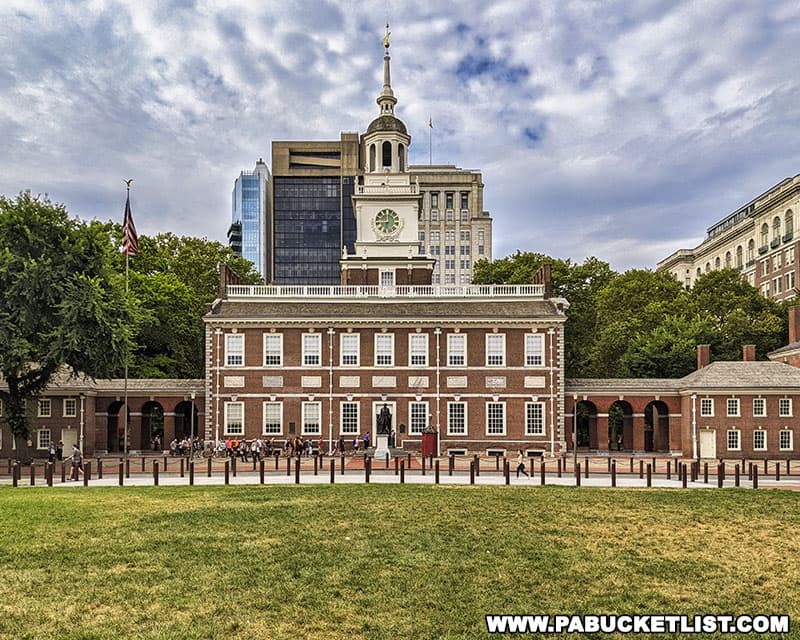
No American Revolution tour would be complete without visiting Independence Hall in Philadelphia, where both the Declaration of Independence and U.S. Constitution were debated and adopted. This UNESCO World Heritage site preserves the actual room where delegates gathered to shape the nation's founding principles.
The guided tour takes visitors through the Assembly Room, where you can see the "Rising Sun" chair used by George Washington during the Constitutional Convention. Nearby, the Liberty Bell stands as an enduring symbol of freedom, while Independence National Historical Park encompasses numerous Revolutionary-era buildings.

Boston Freedom Trail
Boston's iconic 2.5-mile Freedom Trail connects 16 historically significant sites related to the American Revolution. The red-brick path guides visitors through the city to landmarks including the Old North Church, Paul Revere's House, and the site of the Boston Massacre.
At Faneuil Hall, known as the "Cradle of Liberty," colonists gathered to protest British policies. The Old State House, where the Declaration of Independence was first read to Bostonians, and the Granary Burying Ground, final resting place of revolutionary figures like John Hancock and Samuel Adams, provide tangible connections to revolutionary history.
Lexington and Concord
The first shots of the Revolutionary War were fired at Lexington and Concord in April 1775. Today, Minute Man National Historical Park preserves these battlegrounds where colonial militiamen confronted British troops in the conflict's opening engagement.
Visitors can walk across the reconstructed North Bridge where the "shot heard 'round the world" was fired and explore the Minute Man Visitor Center with its multimedia presentation "The Road to Revolution." The Lexington Battle Green, where eight militiamen died in the first exchange of gunfire, remains a solemn reminder of the war's human cost.

Valley Forge, Pennsylvania
Valley Forge National Historical Park commemorates the crucial winter encampment of the Continental Army from 1777-1778. Though no battles were fought here, the site represents American perseverance through extreme hardship as troops endured bitter cold, disease, and supply shortages.
Visitors can tour reconstructed log cabins similar to those that housed Washington's soldiers, visit Washington's headquarters, and explore the National Memorial Arch. The park's museum contains artifacts from the encampment, while ranger programs and living history demonstrations bring the soldiers' experiences to life.
Yorktown Battlefield, Virginia
Yorktown Battlefield preserves the site of the Revolution's decisive battle, where American and French forces secured victory over the British in 1781. This triumph effectively ended major combat operations and led to peace negotiations recognizing American independence.
The visitor center features the original surrender documents and a scale model of the battlefield. Driving tours take visitors to key positions, including redoubts captured by American and French forces. Nearby, the American Revolution Museum at Yorktown offers immersive exhibits and a recreated Continental Army encampment.
Mount Vernon, Virginia
George Washington's estate at Mount Vernon offers insights into the life and leadership of the Revolution's most prominent military figure and first president. The meticulously preserved plantation includes Washington's mansion, outbuildings, gardens, and tomb.
The Donald W. Reynolds Museum and Education Center features interactive exhibits about Washington's role in the Revolution, including his transformation from colonial gentleman to revolutionary leader. The Be Washington interactive theater allows visitors to face the same decisions Washington confronted during pivotal Revolutionary War moments.

Colonial Williamsburg, Virginia
Colonial Williamsburg, America's largest living history museum, recreates Virginia's colonial capital during the Revolutionary era. With over 300 acres of restored buildings, this immersive site brings 18th-century life into sharp focus.
Costumed interpreters debate the merits of independence in the streets and demonstrate colonial crafts and trades. Visitors can witness the reading of the Declaration of Independence at the Capitol building and explore how the revolution affected all segments of society, from gentry to enslaved people.
Fort Ticonderoga, New York
Fort Ticonderoga, commanding a strategic position between Lake Champlain and Lake George, changed hands multiple times during the Revolution. Its capture by Ethan Allen and Benedict Arnold in 1775 provided Americans with much-needed artillery later used to drive British forces from Boston.
Today, the restored fort features daily musket and cannon demonstrations, extensive military collections, and living history programs. The King's Garden and scenic trails complement the military history, while the Carillon Battlefield preserves the site of an earlier French and Indian War engagement.
Saratoga National Historical Park
The 1777 American victory at Saratoga marked a turning point in the Revolutionary War, convincing France to formally ally with the United States. Saratoga National Historical Park preserves this crucial battlefield in upstate New York.
A nine-mile tour road with interpretive stops guides visitors through the battlefield's key positions. The park also includes the Schuyler House, home of American General Philip Schuyler, and the Saratoga Monument commemorating the American victory. Ranger programs and living history events regularly bring the battlefield's significance to life.

Museum of the American Revolution
Philadelphia's Museum of the American Revolution, opened in 2017, offers a comprehensive interpretation of the revolutionary era through immersive exhibits and an unparalleled collection of artifacts. The museum's centerpiece is Washington's original headquarters tent, preserved and dramatically presented.
Interactive exhibits explore the perspectives of ordinary people affected by the Revolution, including women, Native Americans, and enslaved individuals. Life-sized tableaux, digital interactives, and primary source documents create a multi-faceted understanding of the complex revolutionary period.
Bunker Hill Monument
The 221-foot granite obelisk at Bunker Hill commemorates the first major battle of the Revolutionary War, fought in June 1775. Though technically an American defeat, the battle demonstrated colonial militia could effectively stand against British regulars.
Visitors can climb the monument's 294 steps for panoramic views of Boston or explore the museum at the base, which contains artifacts from the battle. The nearby Bunker Hill Museum offers exhibits about the battle's significance and the monument's construction, including an electric diorama depicting the battle's phases.
Monticello, Virginia
Thomas Jefferson's mountaintop home, Monticello, offers insight into the mind of the Declaration of Independence's principal author. This architectural masterpiece reflects Jefferson's revolutionary ideals through its innovative design and showcases his wide-ranging intellect.
Tours of the meticulously restored house reveal Jefferson's scientific interests, library, and ingenious inventions. The plantation also addresses the paradox of slavery at Monticello through interpretations of enslaved people's lives and exhibits on Jefferson's complex relationship with slavery despite his eloquent writings on liberty.

Frequently Asked Questions About 12 Fascinating Places to Experience American Revolution History Firsthand
Which American Revolution site is best for families with children?
Colonial Williamsburg is particularly family-friendly with its immersive living history environment, hands-on activities, and special programs designed for children. The Boston Freedom Trail also engages younger visitors with its walkable format and variety of sites. Most National Park Service revolutionary sites offer Junior Ranger programs where children can earn badges while learning about history.
How long does it take to visit the main American Revolution sites?
To visit all major American Revolution sites would require at least two weeks. However, you can focus on regional clusters: 3-4 days for Boston area sites, 2-3 days for Philadelphia, and 3-4 days for Virginia sites including Yorktown, Williamsburg, and Mount Vernon. Many visitors choose to explore one region thoroughly rather than trying to see everything in a single trip.
Are there any American Revolution sites outside the East Coast?
While most significant American Revolution sites are concentrated along the East Coast, there are some notable western locations. The George Rogers Clark National Historical Park in Indiana commemorates the capture of British forts in the Illinois Country. In Kentucky, sites related to Daniel Boone and early frontier settlements provide context for the western theater of the Revolution.
What's the best way to experience these historical sites?
For the most enriching experience, take guided tours where available, as knowledgeable rangers and interpreters provide context and stories not found on information panels. Check site calendars for special events like battle reenactments, living history demonstrations, and Revolutionary-era holidays. Reading a good overview of the American Revolution before your visit will also enhance your understanding of each site's significance.
When are special events or reenactments held at these sites?
Many revolutionary sites host major events around July 4th (Independence Day) with special programs, demonstrations, and festivities. Anniversary dates of specific battles often feature reenactments-Patriot's Day (mid-April) in Lexington and Concord, and early October for Yorktown Victory celebrations. Colonial Williamsburg and other living history sites offer year-round programming with enhanced activities during summer months and holiday seasons.