The United States boasts 63 national parks spread across 29 states and territories. But some states are blessed with more of these natural treasures than others. California leads with nine parks, while Alaska, Utah, and Colorado also rank high on the list.
The United States is home to 63 designated national parks spread across 29 states and territories, preserving America's most spectacular natural wonders. While some states don't have any national parks, others are blessed with multiple sites that showcase diverse ecosystems and landscapes. Understanding which states have the most national parks can help travelers plan epic outdoor adventures and appreciate the nation's conservation efforts.
From California's nine diverse parks to Alaska's vast wilderness preserves, certain states stand out as hubs for national park enthusiasts. Let's explore the states with the highest concentration of these protected natural treasures and what makes each park special.
California Leads With Nine National Parks
California claims the title for the state with the most national parks at nine, offering everything from desert landscapes to ancient forests. The Golden State's diverse geography allows for an impressive range of ecosystems within its borders.
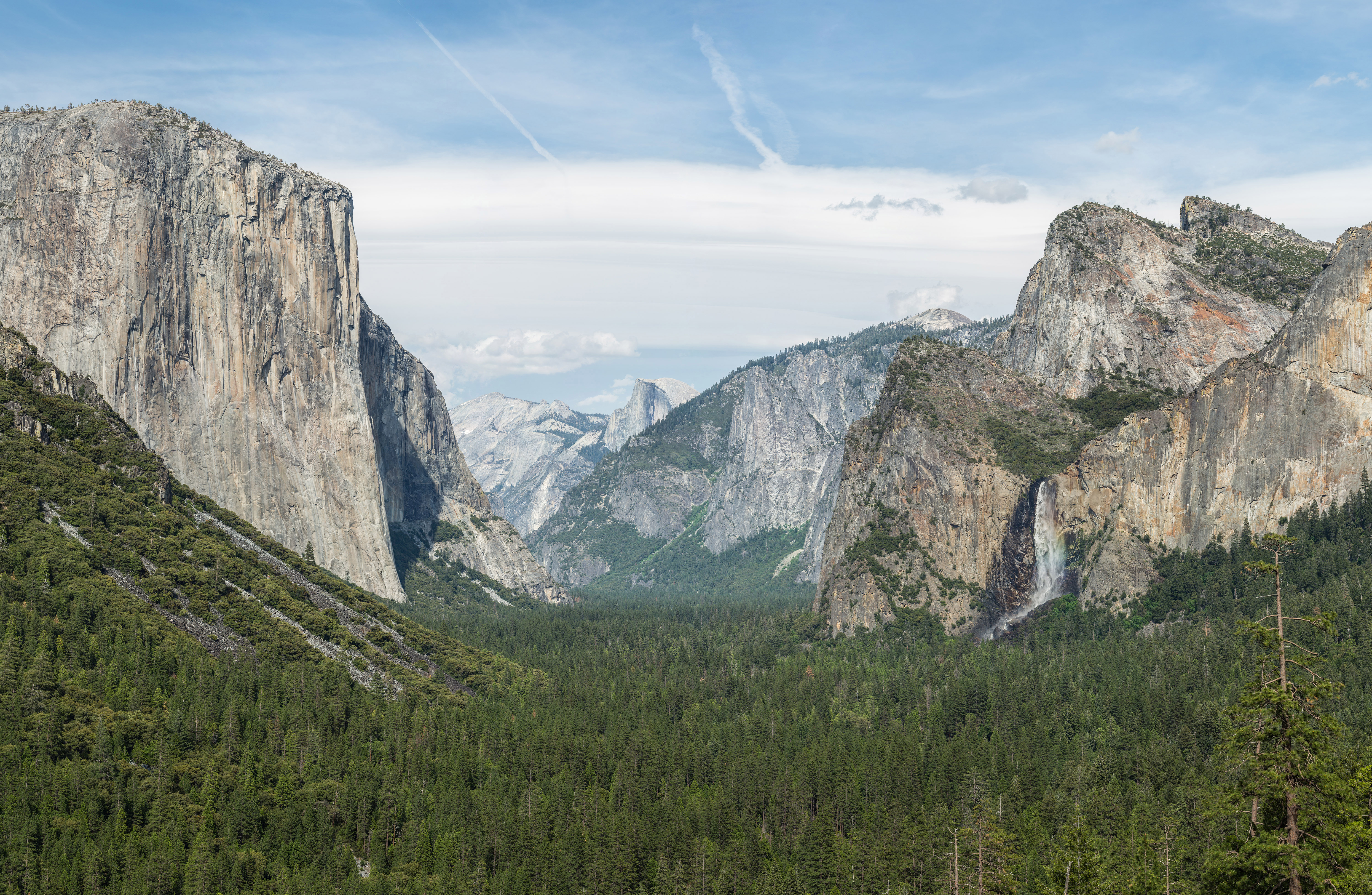
Yosemite National Park stands as perhaps California's most iconic park, known for its towering granite monoliths like El Capitan and Half Dome, spectacular waterfalls, and ancient giant sequoias. The park attracts over 4 million visitors annually to witness its majestic valley and high-country wilderness.

Death Valley National Park provides a stark contrast as the hottest, driest, and lowest national park. Its otherworldly landscapes include salt flats, sand dunes, colorful badlands, and mountains reaching over 11,000 feet.
California's other national parks include:
- Redwood National Park: Home to the world's tallest trees
- Joshua Tree National Park: Where Mojave and Colorado deserts meet
- Sequoia & Kings Canyon National Parks: Featuring massive sequoia groves
- Channel Islands National Park: Isolated island ecosystems
- Lassen Volcanic National Park: Active volcanic landscape
- Pinnacles National Park: Ancient volcanic field with unique rock formations
Alaska: Eight Remote Natural Wonders
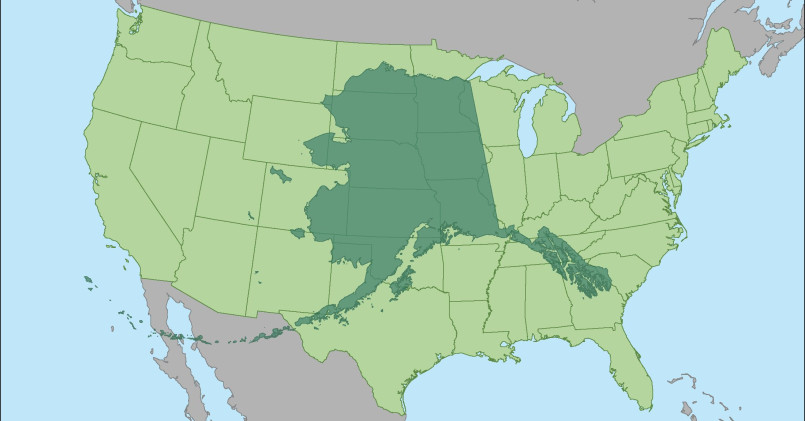
Alaska ranks second with eight national parks that are vast in size and largely untouched by development. The state contains more than 61% of all land managed by the National Park Service, despite having one fewer park than California.
Denali National Park and Preserve centers around North America's tallest peak and offers visitors opportunities to spot wildlife like grizzly bears, wolves, caribou, and Dall sheep across six million acres of wild land.

Gates of the Arctic National Park represents America's northernmost national park and remains one of the least visited due to its remote location above the Arctic Circle. The park has no roads or trails, requiring visitors to fly or hike in.
Alaska's national parks include:
- Denali National Park and Preserve
- Gates of the Arctic National Park
- Glacier Bay National Park
- Katmai National Park (famous for bear viewing)
- Kenai Fjords National Park
- Kobuk Valley National Park
- Lake Clark National Park
- Wrangell-St. Elias National Park (America's largest national park)
Utah: The Mighty Five
Utah boasts five national parks known collectively as "The Mighty Five," all located in the southern portion of the state. These parks showcase the Colorado Plateau's dramatic red rock landscapes and unique geological formations.
Zion National Park features towering sandstone cliffs, narrow slot canyons, and the Virgin River. The park's Narrows and Angels Landing trails rank among America's most thrilling and scenic hikes.

Bryce Canyon National Park is famous for its hoodoos-tall, thin spires of rock that rise from the bottom of arid basins. The park's amphitheater offers one of the most distinctive landscapes in the national park system.
Utah's national parks include:
- Zion National Park
- Bryce Canyon National Park
- Arches National Park (with over 2,000 natural stone arches)
- Canyonlands National Park (with its Island in the Sky district)
- Capitol Reef National Park (featuring the Waterpocket Fold)
Colorado: Four Diverse Mountain Landscapes
Colorado contains four national parks that showcase the diversity of the Rocky Mountains and the American Southwest. The state's parks range from alpine environments to ancient cliff dwellings and massive sand dunes.
Rocky Mountain National Park preserves spectacular mountain environments with peaks exceeding 14,000 feet. The park's Trail Ridge Road is the highest continuous paved road in the United States, reaching elevations over 12,000 feet.

Great Sand Dunes National Park features North America's tallest dunes, rising over 750 feet against the backdrop of the Sangre de Cristo Mountains. This unique combination of massive dunes and mountain scenery makes it one of Colorado's most photogenic landscapes.
Colorado's national parks include:
- Rocky Mountain National Park
- Great Sand Dunes National Park
- Mesa Verde National Park (preserving ancient Puebloan cliff dwellings)
- Black Canyon of the Gunnison National Park (with its steep, narrow gorge)
Other States With Multiple National Parks
Several other states contain multiple national parks that protect important natural and cultural resources:
Arizona (3): Grand Canyon, Petrified Forest, and Saguaro National Parks
Florida (3): Everglades, Biscayne, and Dry Tortugas National Parks
Washington (3): Mount Rainier, Olympic, and North Cascades National Parks
Wyoming (2): Yellowstone (also extends into Montana and Idaho) and Grand Teton National Parks
Hawaii (2): Haleakalā and Hawaii Volcanoes National Parks
Texas (2): Big Bend and Guadalupe Mountains National Parks
National Park Visitation Numbers
While Alaska has the second-highest number of national parks, its parks receive relatively few visitors due to their remote locations. In contrast, California and other states with accessible parks see millions of visitors annually.
The most visited national parks nationwide include:
- Great Smoky Mountains National Park (Tennessee/North Carolina)
- Grand Canyon National Park (Arizona)
- Zion National Park (Utah)
- Rocky Mountain National Park (Colorado)
- Yosemite National Park (California)
Interestingly, many of the most-visited parks are concentrated in states with multiple parks, suggesting that states with numerous parks often have strong tourism infrastructure to support visitors.
Planning Multi-Park Trips
States with multiple national parks offer excellent opportunities for travelers to experience several parks in a single trip. Some popular multi-park itineraries include:
- Utah's Mighty Five: Can be completed in 7-10 days following a loop from Salt Lake City
- California Desert Parks: Death Valley and Joshua Tree can be combined with a base in Las Vegas
- Northern California: Lassen Volcanic, Redwood, and potentially Crater Lake in Oregon
- Southern Colorado/Northern New Mexico: Mesa Verde, Great Sand Dunes, and Black Canyon of the Gunnison
When planning visits to states with multiple parks, consider seasonal factors like weather conditions, crowd levels, and road closures that may affect access to certain areas.
For travelers seeking to maximize their national park experiences, focusing on states with multiple parks provides an efficient way to see more of America's natural treasures in a single journey. California, Alaska, Utah, and Colorado stand out as premier destinations for national park enthusiasts.
Frequently Asked Questions About 7 States With the Most National Parks (California Tops List)
Which state has the most national parks?
California has the most national parks with nine: Yosemite, Death Valley, Joshua Tree, Sequoia, Kings Canyon, Redwood, Channel Islands, Lassen Volcanic, and Pinnacles National Parks.
What is the largest national park in the United States?
Wrangell-St. Elias National Park and Preserve in Alaska is the largest national park in the United States, covering over 13.2 million acres. It's larger than Yellowstone, Yosemite, and Grand Canyon National Parks combined.
What's the best way to visit multiple national parks in one trip?
For efficient multi-park trips, focus on regions with park clusters like Utah's Mighty Five, California's desert parks, or Colorado's mountain parks. Purchase an America the Beautiful annual pass ($80), plan for shoulder seasons to avoid crowds, and allow at least 2-3 days per park for a meaningful experience.
Why does Alaska have so many national parks but fewer visitors?
Alaska's eight national parks receive relatively few visitors because of their remote locations, limited road access, harsh weather conditions, and shorter visitor seasons. Most Alaskan parks require plane or boat transportation to access, making them more expensive and challenging to visit than parks in the lower 48 states.
Which states have national parks that cross state boundaries?
Yellowstone National Park spans three states: Wyoming (where most of the park is located), Montana, and Idaho. Great Smoky Mountains National Park straddles Tennessee and North Carolina. Death Valley National Park is primarily in California but extends into Nevada.
When is the best time to visit Utah's national parks?
The best times to visit Utah's five national parks are spring (April to May) and fall (September to October) when temperatures are moderate. Summer brings intense heat, especially in parks like Arches and Canyonlands, while winter can bring snow and limited access to some areas.