Puerto Rico occupies a unique position in American politics as a territory with US citizenship but without statehood privileges. This Caribbean island's relationship with the mainland reveals fascinating insights about American federalism, colonial history, and the ongoing debate about its political future.
Puerto Rico exists in a political limbo that few Americans fully understand. While it flies the American flag and its residents are US citizens, this Caribbean island is neither a fully independent nation nor one of the 50 states that comprise the United States of America. This unique territorial status creates a fascinating case study in American governance, constitutional law, and the ongoing legacy of American expansion.
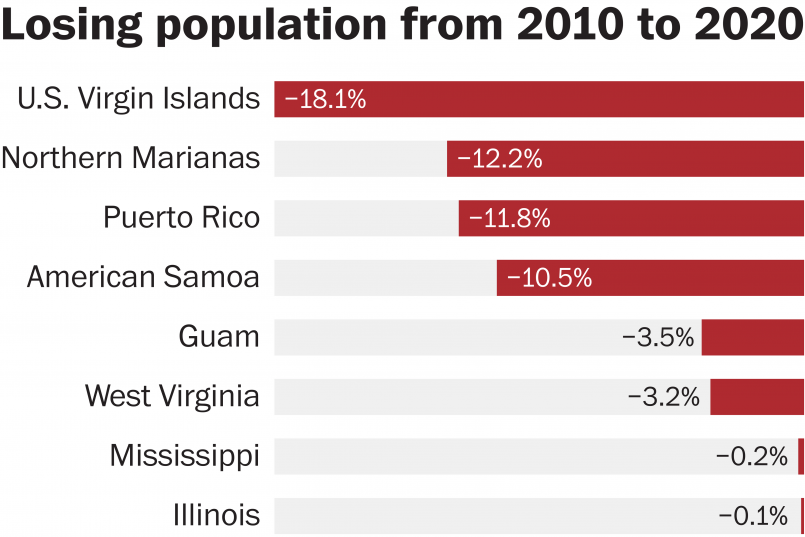
With approximately 3.2 million residents, Puerto Rico has a larger population than 20 US states, yet its people lack equal political representation and face different treatment under federal programs. Understanding Puerto Rico's relationship with the United States requires examining its complex history, legal status, and the ongoing debate about its future.
Historical Background: From Spanish Colony to US Territory
Puerto Rico's current status began in 1898 when the United States acquired the island from Spain following the Spanish-American War through the Treaty of Paris. For nearly 400 years prior, Puerto Rico had been a Spanish colony, developing its distinct cultural identity with indigenous Taíno, African, and European influences.
The early American period saw Puerto Rico governed as a military-controlled territory, with local residents having virtually no say in their governance. This changed gradually over the 20th century:
- In 1917, the Jones-Shafroth Act granted Puerto Ricans US citizenship
- By 1948, Puerto Ricans were allowed to elect their own governor
- In 1952, Puerto Rico became a Commonwealth or "Free Associated State" (Estado Libre Asociado) with its own constitution

While these changes provided more self-governance, they never fundamentally altered Puerto Rico's territorial status. Unlike the Philippines, which gained independence after being acquired in the same treaty, Puerto Rico remained firmly within the American political system, though not as an equal member state.
Legal Status Explained: What Makes Puerto Rico Different
Legally, Puerto Rico is classified as an unincorporated territory of the United States. This term comes from a series of Supreme Court decisions known as the Insular Cases from the early 1900s, which established that territories like Puerto Rico belong to, but are not part of, the United States.
This distinction means:
- The US Constitution doesn't fully apply to Puerto Rico as it does to states
- Congress has plenary powers over the territory under the Constitution's Territory Clause
- Puerto Rico has a non-voting Resident Commissioner in the US House of Representatives
- Puerto Rico operates under federal law but with significant autonomy in local affairs
The island's status as a Commonwealth (not to be confused with the completely different Commonwealth status of states like Kentucky or Massachusetts) represents a middle ground between statehood and independence. It grants Puerto Rico more self-governance than other US territories like Guam or the US Virgin Islands but falls short of the sovereignty enjoyed by the 50 states.
Citizenship Without Full Representation: Rights and Limitations
Perhaps the most consequential aspect of Puerto Rico's status is that while its residents are American citizens, they experience a different relationship with the federal government than mainland Americans do.
Rights of Puerto Ricans as US citizens include:
- Freedom to travel and work anywhere in the United States without restrictions
- Eligibility to serve in the US military (Puerto Ricans have served in every major conflict since WWI)
- Protection under most federal civil rights laws
- Some federal benefits like Social Security and Medicare
Limitations faced by Puerto Ricans include:
- No voting representation in Congress
- Cannot vote for President while residing in Puerto Rico (though they can if they move to a state)
- Unequal treatment under many federal programs like Medicaid and Supplemental Security Income
- Different tax obligations (most residents don't pay federal income tax but pay local taxes)
This arrangement creates what many critics call "second-class citizenship," where Puerto Ricans have the responsibilities of American citizenship without its full benefits. The Supreme Court has repeatedly upheld this differential treatment, most recently in United States v. Vaello-Madero (2022), which confirmed Congress can treat territories differently than states in federal benefit programs.
The Statehood Debate: Arguments For and Against
The question of whether Puerto Rico should become the 51st state has been debated for decades. The island has held multiple status referendums, with inconsistent results reflecting the divided opinions among Puerto Ricans themselves.
Arguments supporting statehood include:
- Equal political representation in Congress and presidential elections
- Equal treatment under federal programs and benefits
- Economic development potential through increased federal funding
- Resolution of the "colonial" status that many view as outdated
Arguments against statehood include:
- Potential threats to Puerto Rican cultural identity and Spanish language
- Increased federal tax burden without guaranteed economic benefits
- Loss of certain economic development tools currently available to the territory
- Support for alternative options like enhanced commonwealth status or independence
The debate extends beyond Puerto Rico to Washington, where partisan considerations often influence positions. Some Republicans have expressed concerns that Puerto Rico would likely elect Democrats to Congress, while some Democrats support Puerto Rican self-determination regardless of political outcome.
Economic Implications of Puerto Rico's Status
Puerto Rico's territorial status has profound economic consequences. The island has experienced a prolonged economic crisis marked by high unemployment, population decline, and a 2016 debt crisis that led to the establishment of a Financial Oversight and Management Board (FOMB) that effectively oversees the island's finances.
Key economic factors related to Puerto Rico's status include:
- Limited access to bankruptcy protections that states enjoy
- Unequal federal funding formulas for programs like Medicaid
- The Jones Act requirement that goods shipped between US ports use US-built and operated vessels, increasing costs
- Tax incentives that have historically shaped economic development but also created dependencies

The devastating impact of Hurricane Maria in 2017 highlighted these structural disadvantages when the federal response was widely criticized as inadequate compared to disaster responses in the states. Many argued that Puerto Rico's lack of voting representation in Congress contributed to this disparity in treatment.
Cultural Identity: Puerto Rican and American
Beyond legal and economic questions, Puerto Rico's status reflects deeper issues of cultural identity. Puerto Ricans have developed a distinct cultural identity that combines Spanish, Indigenous, African, and American influences while maintaining Spanish as the predominant language.
This cultural distinctiveness raises important questions in the status debate:
- How would statehood affect Puerto Rico's Spanish language heritage?
- Can Puerto Rico maintain its cultural autonomy while integrating more fully into the United States?
- What would Puerto Rican statehood mean for American national identity?
Many Puerto Ricans embrace a dual identity as both Puerto Rican and American, seeing no contradiction between the two. Others emphasize one identity over the other, which influences their preference for the island's political status. This dynamic resembles the way many Americans identify strongly with both their state and national identities.
The Path Forward: Potential Solutions
Several options exist for resolving Puerto Rico's status question, though each faces significant political challenges:
- Statehood: Full integration as the 51st state, requiring congressional approval
- Enhanced Commonwealth: Maintaining territorial status but with additional autonomy and benefits
- Independence: Becoming a fully sovereign nation separate from the United States
- Free Association: A middle option where Puerto Rico would become a sovereign nation with a compact of free association with the US
Recent legislative efforts like the Puerto Rico Status Act have attempted to create binding processes for Puerto Ricans to determine their own future. However, any change would require action by Congress, where competing priorities and partisan concerns often delay consideration of Puerto Rico's status.
What remains clear is that the current arrangement-a legacy of American territorial expansion dating back over a century-creates fundamental inequalities that challenge American democratic principles. As Puerto Rico continues to navigate economic challenges, recover from natural disasters, and define its cultural identity, the question of its political relationship with the United States remains as relevant as ever.
Frequently Asked Questions About Puerto Rico's Unique Status: Why It's Part of America but Not a 51st State
Why isn't Puerto Rico a state if its residents are US citizens?
Puerto Rico isn't a state because Congress has never passed legislation to admit it as one, despite multiple status referendums on the island. Its current status as an unincorporated territory was established following the 1898 Spanish-American War and has remained unchanged. While Puerto Ricans received US citizenship in 1917, this did not include a pathway to statehood. Any change in status would require congressional action, which has been complicated by partisan politics, concerns about cultural and linguistic differences, and disagreement among Puerto Ricans themselves about the best status option.
Do Puerto Ricans pay US federal taxes?
Puerto Ricans have a unique tax relationship with the federal government. Most residents do not pay federal income taxes on Puerto Rico-sourced income, but they do contribute to Social Security and Medicare through payroll taxes. Puerto Ricans also pay local taxes to the Puerto Rican government, often at rates higher than combined federal and state taxes in many states. However, Puerto Rican businesses and residents who earn income from US sources outside the island must pay federal taxes on that income.
Can Puerto Ricans vote for US President?
Puerto Ricans living in Puerto Rico cannot vote for US President in the general election, despite being US citizens. However, Puerto Ricans who move to one of the 50 states or Washington DC immediately gain the right to vote in all elections, including presidential elections. This creates a situation where the same US citizen can gain or lose voting rights simply by moving between Puerto Rico and the mainland, highlighting the unequal political status of the territory.
How does Puerto Rico's government work?
Puerto Rico has a democratic government with three branches similar to the US federal system. It has a governor as executive, a bicameral legislature (Senate and House of Representatives), and a judicial branch with a Supreme Court. Puerto Rico operates under its own constitution, approved by Congress in 1952, which established its Commonwealth status. The island also elects a Resident Commissioner who represents Puerto Rico in the US House of Representatives but cannot vote on final legislation. The federal government maintains authority over areas like defense, currency, and interstate commerce.
What would happen if Puerto Rico became a state?
If Puerto Rico became a state, it would gain full voting representation in Congress (likely 4 House members and 2 Senators) and electoral votes for president. Residents would pay federal income taxes but would receive equal treatment under federal programs like Medicaid and SNAP. The island would maintain its cultural autonomy but would need to address language considerations, as English is the predominant language of federal operations. Economically, Puerto Rico would likely see increased federal funding, but would lose certain tax incentives currently available to it as a territory.
Has there been progress toward changing Puerto Rico's status recently?
There have been several recent developments regarding Puerto Rico's status. In 2020, Puerto Rico held a referendum where statehood won with 52.5% support, though the vote was non-binding. In 2022, the House of Representatives passed the Puerto Rico Status Act, which would have authorized a binding referendum with options for statehood, independence, or sovereignty with free association, but the bill died in the Senate. Several members of Congress have introduced similar legislation since then. While momentum exists, partisan divides in Congress and other priorities have prevented definitive action.


