College towns offer a unique atmosphere combining youthful energy, cultural richness, and community charm. These 15 destinations stand out for their perfect blend of academic excellence, entertainment options, and quality of life that appeals to students, residents, and visitors alike.
College towns represent a special category of American communities where academic institutions and local culture blend to create vibrant, dynamic places to live, study, and visit. These towns offer the perfect mix of youthful energy, intellectual stimulation, and community charm that makes them appealing to people of all ages. Whether you're a prospective student, parent, traveler, or simply curious about these educational hubs, America's best college towns deserve recognition for their unique character and quality of life.
From picturesque New England villages to bustling Midwest cities and laid-back West Coast communities, the diversity of America's top college towns reflects the country's varied landscape and cultural traditions. Each offers its own special combination of academic excellence, recreational opportunities, arts scenes, and local flavor that makes it stand out from ordinary municipalities.
What Makes a Great College Town
The best college towns share certain qualities that create an ideal environment for both students and permanent residents. They typically offer affordable housing options, excellent public transportation, diverse dining and entertainment venues, and a generally welcoming atmosphere. Many feature pedestrian-friendly downtown areas, vibrant arts scenes, and plenty of green spaces.
Beyond these practical considerations, great college towns possess an intangible energy-a sense that ideas matter and creativity is valued. They tend to be politically engaged, culturally diverse, and economically resilient, often weathering national downturns better than other communities thanks to the stabilizing presence of educational institutions.

Ann Arbor, Michigan
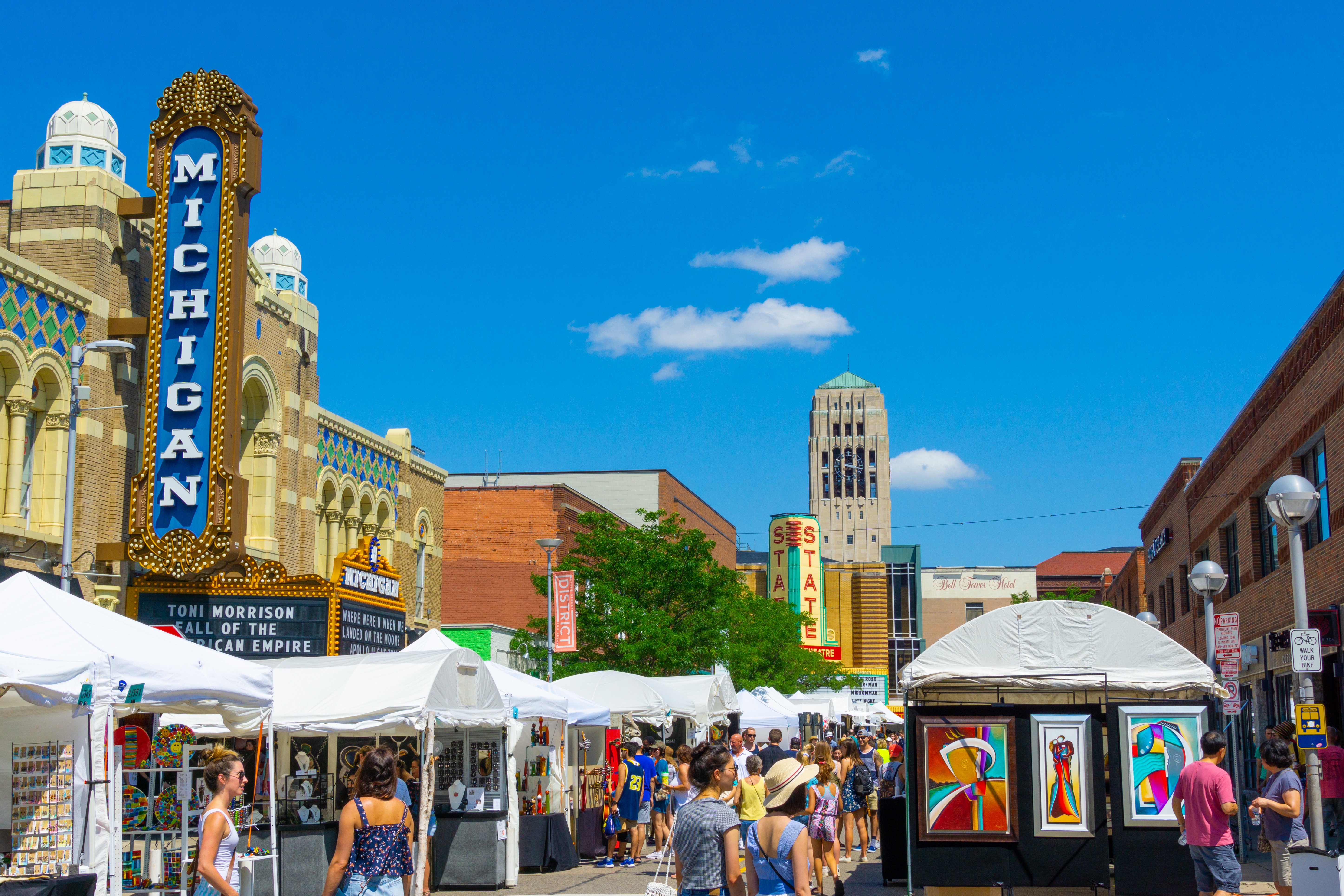
Home to the University of Michigan, Ann Arbor consistently ranks among America's top college towns. With a population around 120,000, it strikes an ideal balance between small-town charm and big-city amenities. The downtown area features eclectic bookstores, diverse restaurants, and a renowned art scene. The annual Ann Arbor Art Fair draws hundreds of thousands of visitors each summer.
The university's influence extends beyond academics into the town's cultural life, with world-class museums, performance venues, and sporting events accessible to the entire community. Natural beauty abounds too, with the Huron River flowing through town and numerous parks providing outdoor recreation opportunities.
Boulder, Colorado
Set against the dramatic backdrop of the Flatirons mountains, Boulder offers University of Colorado students and residents alike an outdoor paradise combined with intellectual stimulation. The city's pedestrian-friendly Pearl Street Mall serves as its downtown hub, lined with shops, restaurants, and street performers.
Boulder's commitment to environmental sustainability and healthy living is evident in its extensive bike path network, abundant organic food options, and preservation of open spaces. The city's location provides easy access to hiking, climbing, skiing, and other mountain activities, making it ideal for active students and nature lovers.
Athens, Georgia
Known for its legendary music scene that launched bands like R.E.M. and the B-52's, Athens combines Southern charm with creative energy. Home to the University of Georgia, this town of roughly 125,000 residents offers an affordable cost of living alongside rich cultural offerings.
The historic downtown district features beautifully preserved Victorian-era buildings housing venues like the famous 40 Watt Club and Georgia Theatre. Athens' food scene has exploded in recent years, with farm-to-table restaurants showcasing Southern cuisine with contemporary twists. The State Botanical Garden of Georgia provides a peaceful retreat from campus life.

Madison, Wisconsin
Wisconsin's capital city embraces its identity as both a seat of government and home to the University of Wisconsin. Situated on an isthmus between two lakes, Madison offers stunning water views and outdoor recreation opportunities. The city's layout creates a compact, walkable community where students can easily access downtown amenities.
Madison's progressive politics and intellectual atmosphere have fostered a thriving cultural scene, with numerous theaters, museums, and music venues. The downtown farmers' market surrounding the Capitol building ranks among the country's best, reflecting the area's agricultural roots and farm-to-table ethos.
Berkeley, California
Across the bay from San Francisco, Berkeley has long been synonymous with progressive politics, intellectual debate, and cultural diversity. Home to the University of California's original campus, the city combines academic prestige with an independent spirit.
Berkeley's Telegraph Avenue and Gourmet Ghetto offer distinctive shopping and dining districts, while the campus itself provides architectural and natural beauty. The city's mild climate allows year-round outdoor activities, and its proximity to San Francisco provides big-city amenities with a more relaxed atmosphere.
Chapel Hill, North Carolina
Part of North Carolina's Research Triangle, Chapel Hill combines Southern hospitality with intellectual rigor. Home to the nation's first public university, UNC-Chapel Hill, the town maintains a charming, tree-lined downtown district centered on Franklin Street, where Tar Heel fans celebrate victories and students gather at iconic establishments.
Chapel Hill's mild climate, diverse population, and strong job market in nearby research facilities make it appealing for students considering post-graduation plans. The town's commitment to the arts is evident in venues like Memorial Hall and the Ackland Art Museum.
Burlington, Vermont
Nestled on Lake Champlain with views of the Adirondack Mountains, Burlington offers University of Vermont students a picturesque setting with progressive values. The city's Church Street Marketplace, a pedestrian-only shopping district, forms the heart of downtown, while the waterfront provides recreational opportunities.
Burlington's commitment to environmental sustainability, local food systems, and community engagement makes it a model for small-city living. Despite cold winters, residents embrace outdoor activities year-round, from sailing in summer to nearby skiing in winter.

Ithaca, New York
Home to both Cornell University and Ithaca College, this small city in the Finger Lakes region offers intellectual stimulation amid natural beauty. The slogan "Ithaca is Gorges" refers to the numerous waterfalls and hiking trails accessible within city limits.
Despite its relatively remote location, Ithaca maintains a sophisticated cultural scene, with theaters, music venues, and art galleries. The town's famous farmers market reflects its commitment to local agriculture, while Moosewood Restaurant helped pioneer vegetarian cuisine nationally.
Austin, Texas
Though considerably larger than most college towns, Austin's identity remains deeply connected to the University of Texas. The city's famous motto, "Keep Austin Weird," reflects its commitment to creative expression and independent businesses.
Austin's legendary music scene spans from historic venues like the Continental Club to massive events like South by Southwest. Outdoor recreation opportunities abound, with Barton Springs Pool providing a natural swimming hole in the heart of the city. The rapidly growing tech sector offers extensive job opportunities for graduates.
Eugene, Oregon
Home to the University of Oregon, Eugene embraces a relaxed, environmentally conscious vibe in a picturesque setting. The city's extensive park system, including the riverfront path along the Willamette, provides ample green space, while nearby mountains and coast offer weekend adventures.
Eugene's commitment to alternative transportation is evident in its bike-friendly infrastructure and efficient bus system. The city's track and field legacy (it's nicknamed "Track Town USA") adds to its distinctive identity, while a growing food and craft beer scene keeps residents well-fed.
Bloomington, Indiana
Indiana University's picturesque campus anchors this Midwest college town known for its limestone architecture and cultural offerings. Bloomington's downtown square hosts a vibrant farmers market and numerous independent businesses, while the surrounding area offers surprising natural beauty.
The city punches above its weight culturally, with the world-class IU Jacobs School of Music providing nearly daily performances and the Lotus World Music Festival drawing international artists annually. Bloomington's cost of living remains reasonable, making it accessible for students and attractive for faculty.
Ames, Iowa
Home to Iowa State University, Ames combines Midwestern friendliness with technological innovation. The city's downtown district maintains a classic Main Street feel, while the university's research park has fostered numerous startups and established companies.
Ames offers an affordable cost of living, excellent public schools, and consistently low unemployment rates. The city's park system includes the beautiful Reiman Gardens on campus, while cultural amenities include multiple museums and performance venues.
Oxford, Mississippi
Literary heritage meets Southern charm in this small town home to the University of Mississippi ("Ole Miss"). Oxford's historic square, centered around the Lafayette County Courthouse, houses independent bookstores, boutiques, and acclaimed restaurants that have earned the town recognition as a culinary destination.
Oxford's literary connections run deep-William Faulkner's home Rowan Oak stands preserved as a museum, and the town continues to attract writers and artists. Despite its small size, Oxford offers sophisticated cultural offerings alongside traditional Southern hospitality and a lower cost of living than many college towns.
State College, Pennsylvania
The home of Penn State University embraces its identity as "Happy Valley," creating a self-contained community with strong school spirit. The downtown area seamlessly blends with campus, creating a walkable environment where town-gown relations remain positive.
State College offers excellent quality of life with low crime rates, good schools, and abundant recreation opportunities. The presence of Beaver Stadium (one of the nation's largest) makes football weekends a major cultural event, while the university brings arts and educational opportunities to the entire community.
Amherst, Massachusetts
Part of the "Five College" area in western Massachusetts, Amherst offers a quintessential New England college town experience. Home to Amherst College, Hampshire College, and the University of Massachusetts Amherst (with Smith and Mount Holyoke nearby), the town enjoys extraordinary educational resources.
Amherst's historic downtown features independent bookstores, coffee shops, and restaurants catering to diverse tastes. The surrounding Pioneer Valley offers scenic beauty and outdoor recreation, while the area's rich literary history (Emily Dickinson's home is preserved here) and progressive politics create a distinctive intellectual atmosphere.
Tips for Visiting College Towns
When planning a visit to any college town, timing matters significantly. Avoid move-in weekends in late August and early September when chaos reigns and accommodations are scarce. Similarly, graduation weekends typically see hotels booked solid months in advance.
Football game weekends transform many college towns, particularly in the South and Midwest. These can be exciting times to visit if you enjoy the festive atmosphere, but expect higher prices and crowds. For a more authentic experience of daily life, consider visiting during the regular academic year when classes are in session.
Many college towns offer free or low-cost entertainment options, from campus museums and lectures to student performances. Check university calendars when planning your visit to take advantage of these cultural opportunities that might not be available in comparable non-college communities.
Frequently Asked Questions About 15 Best College Towns in America for Students, Locals and Visitors
What defines a college town versus a city that happens to have a college?
A true college town is one where the educational institution significantly influences the local economy, culture, and identity. The university typically employs a large percentage of residents, students make up a substantial portion of the population, and the academic calendar affects the rhythm of community life. Cities like Boston or Chicago have major universities but wouldn't be considered college towns because their economies and identities are diverse and not primarily defined by their educational institutions.
Are college towns good places to retire?
College towns often make excellent retirement destinations. They typically offer cultural amenities like theaters, museums, and lectures that would be unavailable in similarly-sized non-college communities. Many have good healthcare facilities associated with university medical programs, excellent public transportation, and lifelong learning opportunities. The constant influx of young people keeps these communities vibrant, while the academic presence often supports progressive policies regarding accessibility and inclusion.
When is the best time of year to visit a college town?
For the most authentic experience, visit during the regular academic year (September-November or February-April) when students are present and campus activities are in full swing. Avoid the chaos of move-in weekends (late August/early September) and the emptiness of winter and summer breaks. Fall visits offer the bonus of gorgeous campus foliage and football weekends, though these can be crowded. Spring brings admitted student events and end-of-year performances.
How do housing costs in college towns compare to other communities?
Housing markets in college towns tend to have unique characteristics. Rental markets are often tight and relatively expensive compared to surrounding areas due to steady student demand. However, this varies significantly by region. Midwest college towns like Bloomington, Indiana or Ames, Iowa offer considerably more affordable housing than coastal locations like Berkeley or Burlington. Many college towns have implemented affordable housing initiatives to address these pressures.
What makes college towns appealing to non-students?
College towns offer a unique combination of small-town livability with big-city amenities. Residents enjoy access to cultural events, sporting competitions, and educational opportunities that would typically require a much larger metropolitan area. These communities often support excellent restaurants, independent bookstores, and coffee shops catering to sophisticated tastes. Many college towns are also leaders in sustainability initiatives, public transportation, and progressive policies that improve quality of life for all residents.


