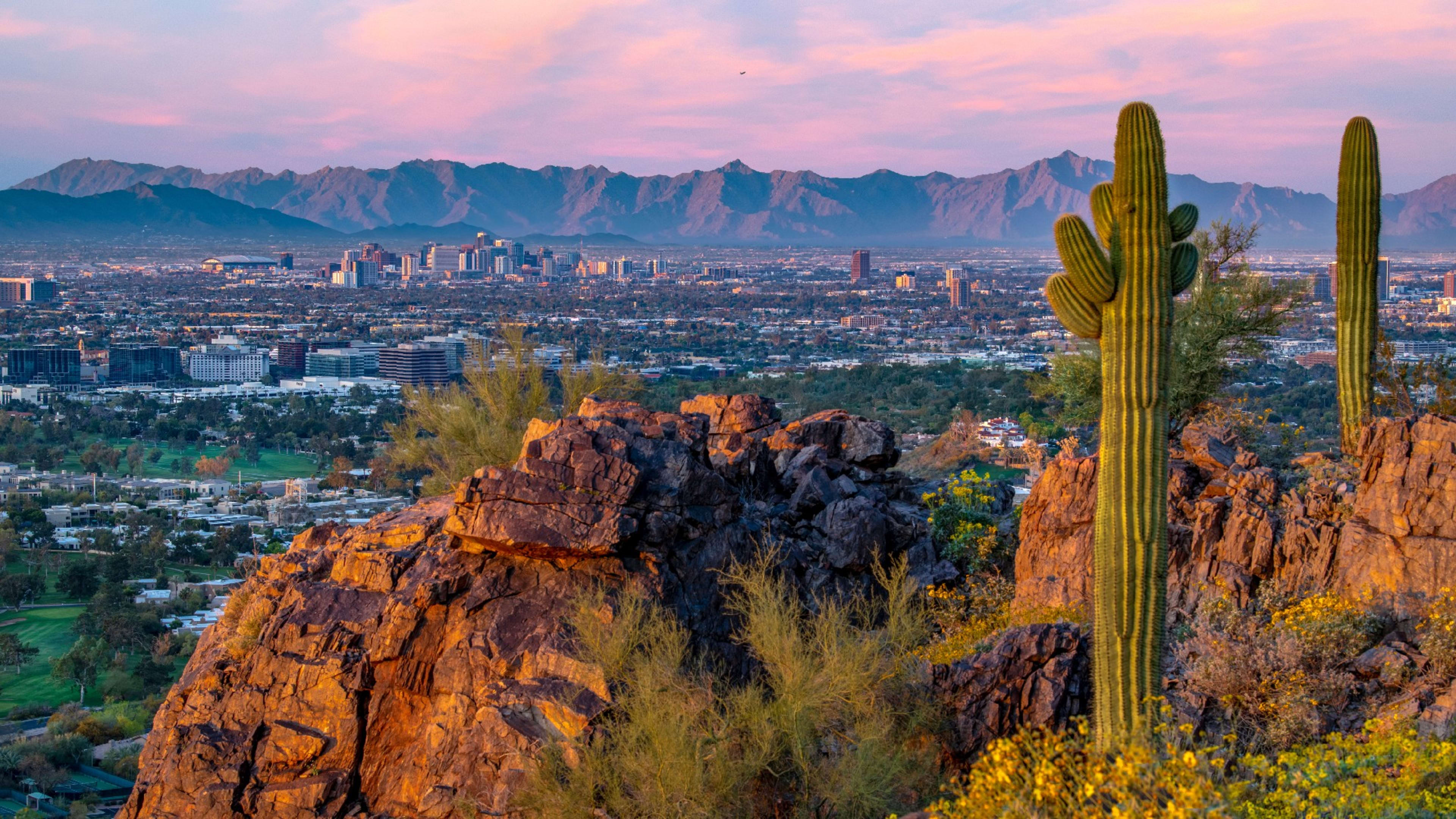
For those who crave sunshine, certain American cities offer an abundance of bright days year-round. From the desert Southwest to Florida's coasts, these locations provide residents with vitamin D-rich lifestyles and outdoor-friendly climates that attract both visitors and new residents seeking relief from cloudy, gray regions.
Sunshine isn't just a mood lifter-it's a lifestyle choice for many Americans who deliberately seek out the brightest spots in the country. With an average of 3,000+ sunshine hours annually in the sunniest regions, these radiant cities offer a stark contrast to places like Seattle or Portland where gray skies dominate for months on end. From retirees escaping harsh northern winters to remote workers seeking vitamin D-rich environments, America's sunniest cities continue attracting new residents year after year.
But what exactly constitutes a sunny city, and where can you find the most reliable sunshine in America? Let's explore the places where sunglasses are a year-round necessity rather than an occasional accessory.
What Makes a City Sunny?
Meteorologists measure sunshine in terms of percentage of possible sunshine-the amount of time the sun shines during daylight hours when clouds don't obstruct it. The National Oceanic and Atmospheric Administration (NOAA) tracks these statistics through various weather stations across the country. Cities with the highest percentages typically benefit from specific geographic and climatic factors:
- Elevation: Higher altitudes often mean clearer skies
- Desert proximity: Low humidity regions have fewer clouds
- Distance from large bodies of water: Less moisture means fewer clouds (though coastal deserts are exceptions)
- Prevailing weather patterns: Some regions naturally block storm systems
The sunniest U.S. locations typically receive 85-90% of possible sunshine throughout the year, with some areas experiencing 100+ consecutive days without measurable rainfall.

Top 15 Sunniest Cities in America
Based on NOAA data and average annual sunshine percentages, these American cities reign supreme when it comes to sunny days:
- Yuma, Arizona - With an astonishing 90% sunshine annually, Yuma holds the Guinness World Record as the sunniest place on Earth. This border city averages just 3 inches of rainfall yearly.
- Phoenix, Arizona - The Valley of the Sun lives up to its nickname with 85% sunshine and over 300 sunny days annually. July is typically its sunniest month.
- Las Vegas, Nevada - Beyond the neon lights, Vegas boasts 85% sunshine year-round. The entertainment capital benefits from its desert location and minimal rainfall.
- Tucson, Arizona - This college town enjoys 84% sunshine, with winters that regularly see daytime temperatures in the pleasant 60-70°F range.
- El Paso, Texas - Sitting at the western tip of Texas, El Paso receives 83% sunshine and offers some of the most affordable living among sunny cities.
- Reno, Nevada - The "Biggest Little City" may surprise some with its 82% sunshine record, despite its mountain location and occasional snow.
- Flagstaff, Arizona - Despite higher elevation and snowier winters, Flagstaff still manages 82% sunshine annually.
- Albuquerque, New Mexico - With 80% sunshine and four distinct seasons, this high desert city offers climate diversity without sacrificing sunshine.
- Sacramento, California - Northern California's capital enjoys 78% sunshine and milder temperatures than its desert counterparts.
- Los Angeles, California - The City of Angels lives up to its sunny reputation with 77% sunshine and the famous Mediterranean climate.
- Denver, Colorado - The Mile High City boasts 76% sunshine, with intense sunshine due to its altitude despite regular snow.
- Salt Lake City, Utah - With 76% sunshine and dramatic mountain backdrops, this city offers urban amenities with abundant outdoor recreation.
- San Diego, California - Famous for its "perfect weather," San Diego enjoys 75% sunshine with minimal temperature extremes.
- Key West, Florida - The only non-western entry in the top fifteen, this island paradise receives 75% sunshine with tropical warmth.
- Fresno, California - Central California's agricultural hub benefits from 74% sunshine throughout the year.
Why the Southwest Dominates
It's no coincidence that Arizona, Nevada, and southern California dominate the list of sunniest locations. The American Southwest benefits from a unique combination of factors:
The region sits under a semi-permanent high-pressure system that blocks storm tracks for much of the year. Combined with the rain shadow effect created by western mountain ranges, which blocks moisture from the Pacific, these areas experience remarkably clear skies.
Additionally, the low humidity levels throughout the Southwest mean fewer clouds form even during the hottest summer months. The desert environment creates a feedback loop: little vegetation means less transpiration, which further reduces atmospheric moisture.

Health Benefits of Living in Sunny Climates
The abundance of sunshine in these locations offers several scientific health advantages:
- Vitamin D production: Just 10-15 minutes of sunshine several times weekly helps the body manufacture adequate vitamin D, essential for bone health, immune function, and mood regulation.
- Reduced Seasonal Affective Disorder (SAD): Residents of sunny cities report lower rates of winter depression and seasonal mood disorders.
- Better sleep patterns: Regular exposure to bright natural light helps maintain healthy circadian rhythms.
- Increased physical activity: People in sunny climates typically spend more time outdoors, leading to higher activity levels.
Many doctors even "prescribe" moves to sunnier climates for patients with certain conditions like severe arthritis or respiratory issues that improve in warm, dry conditions.
Drawbacks to Consider
Before packing your bags for these sun-drenched paradises, consider some potential downsides:
- Heat extremes: Many of the sunniest cities regularly experience 100°F+ temperatures in summer months.
- Increased skin cancer risk: Residents must be vigilant about sun protection and regular skin checks.
- Higher utility bills: Air conditioning costs during summer months can be substantial.
- Water scarcity: Many sunny regions face ongoing drought conditions and water restrictions.
- UV damage: Everything from car paint to home furnishings weathers faster in high-UV environments.
Some residents of these sunny locations describe a phenomenon called "sunshine fatigue"-where the relentless brightness can actually become monotonous over time, making cloudy days a welcome change.
Best Activities in Sunny Destinations
America's sunniest cities have built their lifestyles around the abundant sunshine:
- Outdoor dining: Most sunny cities feature extensive patio dining options year-round
- Golf: Phoenix alone has over 200 golf courses, many playable 365 days per year
- Water recreation: From the Colorado River near Yuma to Lake Mead outside Las Vegas
- Hiking and mountain biking: Dawn and dusk trails allow recreation even during hotter months
- Solar energy production: Many residents offset high cooling costs with rooftop solar panels
In these sun-blessed communities, life tends to start earlier, with many residents beginning outdoor activities at sunrise to avoid afternoon heat, especially during summer months.
Whether you're seeking a permanent move to brighten your life or just planning a winter getaway from dreary weather, America's sunniest cities offer a compelling blend of climate benefits despite their challenges. Just remember to pack sunscreen-lots of it.
Frequently Asked Questions About 15 Sunniest Cities in America for Perfect Weather Year-Round
Which U.S. city gets the most sunshine?
Yuma, Arizona holds the official Guinness World Record as the sunniest city on Earth, receiving sunshine during approximately 90% of daylight hours annually. This translates to around 4,000 hours of sunshine per year. Yuma averages fewer than 10 cloudy days annually and can go more than 100 consecutive days without measurable rainfall.
Is Florida or Arizona sunnier?
Arizona is significantly sunnier than Florida. While both states are known for warm weather, Arizona cities like Phoenix, Tucson, and Yuma receive 85-90% of possible sunshine annually. Florida cities typically range from 65-75%, with Key West being Florida's sunniest location. Florida's higher humidity creates more cloud cover and afternoon thunderstorms, especially during summer months.
What's the difference between 'sunny days' and 'percentage of sunshine'?
These are two different meteorological measurements. 'Sunny days' counts calendar days when cloud cover remains below a certain threshold (typically 30%). 'Percentage of sunshine' measures the actual amount of time the sun shines during daylight hours throughout the year. A city might have many 'partly sunny' days but a lower overall percentage if clouds frequently block the sun for portions of days.
Are sunny cities more expensive to live in?
It varies significantly. Sunny cities in California (San Diego, Los Angeles) and Florida (Key West) tend to command premium housing prices. However, many sunny locations in Arizona, New Mexico, and Texas offer relatively affordable housing compared to national averages. Utility costs can be higher due to air conditioning needs during hot months, but many residents offset this with solar energy, which is particularly effective in these sunny regions.
What's the best time of year to visit America's sunniest cities?
For most Southwest desert locations (Phoenix, Las Vegas, Tucson), October through April offers ideal temperatures with abundant sunshine. Winter months provide comfortable 60-70°F days while the rest of the country experiences cold weather. Summer brings extreme heat (100°F+) but nearly guaranteed sunshine. Coastal sunny cities like San Diego offer pleasant conditions year-round, with slightly more cloud cover (morning fog) during May and June.


