America is aging, but not at an equal pace. Some states have emerged as havens for retirees while others are seeing their younger populations migrate elsewhere for economic opportunities. This demographic shift has profound implications for healthcare systems, housing markets, and state budgets.
America's population is undergoing a significant transformation as the median age continues to rise across the country. While the nation as a whole is getting older, certain states are aging more rapidly than others, creating unique challenges and opportunities in these regions. The demographic makeup of these older states reflects complex patterns of migration, birth rates, and economic factors that shape where Americans choose to live throughout different stages of life.
Understanding which states have the oldest populations provides valuable insights into future healthcare needs, housing market trends, and economic shifts that will affect both policy decisions and quality of life for residents. This analysis examines the states with the highest median ages and explores the underlying reasons for these demographic patterns.
Understanding Population Age Demographics
When analyzing state age demographics, researchers typically use median age as the primary metric - the age that divides a population into two equal parts, with half being older and half younger. According to recent U.S. Census Bureau data, the national median age is approximately 38.8 years, having increased steadily over recent decades.
Other important metrics include the dependency ratio (the number of people under 15 and over 64 compared to the working-age population) and the percentage of residents aged 65 and older. States with high percentages in this latter category often face different challenges than those with simply a high median age due to working-age shortages.
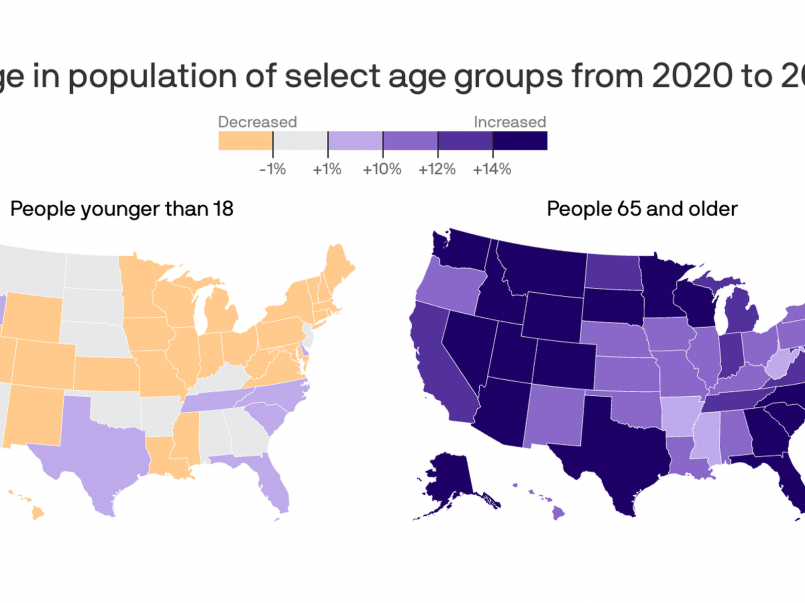
Population age distribution is influenced by three main factors: fertility rates, mortality rates, and migration patterns. States experiencing youth outmigration while simultaneously attracting retirees will age more rapidly than those maintaining a balanced demographic profile.
Top 10 States With Oldest Populations
Based on recent data, these states have the highest median ages in America:
- Maine - Median age: 45.1 years. Maine has held the title of oldest state for several years, with nearly 21% of its population aged 65 or older.
- New Hampshire - Median age: 43.3 years. The Granite State has experienced significant aging due to both retirement migration and young adult outmigration.
- Vermont - Median age: 43.0 years. Like its New England neighbors, Vermont faces challenges retaining younger workers.
- West Virginia - Median age: 42.9 years. Economic challenges have led to youth exodus while the older population remains.
- Florida - Median age: 42.7 years. The quintessential retirement destination, Florida's warm climate and tax benefits continue attracting seniors.
- Connecticut - Median age: 41.4 years. High cost of living has driven many young families to seek opportunities elsewhere.
- Pennsylvania - Median age: 40.9 years. Industrial decline in many regions has contributed to younger residents leaving.
- Rhode Island - Median age: 40.2 years. The smallest state has struggled with retaining young professionals.
- Delaware - Median age: 40.2 years. Tax benefits have made it attractive to retirees from neighboring states.
- Montana - Median age: 40.1 years. Rural character and natural beauty attract retirees seeking a peaceful lifestyle.

Factors Contributing to Aging States
Several key factors explain why certain states have significantly older populations:
Retirement migration plays a major role in states like Florida, Arizona, and increasingly Maine and New Hampshire. Warm-weather states have traditionally attracted retirees, but factors like lower cost of living, natural beauty, and quieter lifestyles are drawing seniors to less conventional retirement destinations.
Youth exodus is particularly prominent in states with limited economic opportunities for young professionals. West Virginia, Maine, and Vermont have struggled to retain their younger populations as graduates seek employment in metropolitan areas with more diverse job markets.
Low birth rates compound the aging effect in many northeastern states. New England states consistently report some of the lowest fertility rates in the nation, meaning fewer young residents to balance the aging population.
Rural character often correlates with older populations. States with large rural areas tend to age faster as younger residents migrate to urban centers while older residents remain in their established communities.
Economic Impacts of Aging Populations
An older population creates both challenges and opportunities for state economies:
The labor force participation rate typically declines as states age, potentially leading to worker shortages in key industries. Maine and Vermont have already begun experiencing difficulties filling positions in healthcare, construction, and service sectors.
Consumer spending patterns shift significantly in older states, with greater expenditures on healthcare services and less on education and retail goods. This reshapes local economies and business opportunities.
The tax base changes as income sources transition from wages to retirement benefits and investment income. States heavily dependent on income taxes may see revenue challenges as more residents live on fixed incomes.
Paradoxically, some aging states experience housing market pressure as wealthy retirees drive up property values while fixed-income seniors struggle with affordability. This is particularly evident in coastal areas of Maine, New Hampshire, and Florida.

Healthcare Challenges in Older States
Healthcare systems in states with older populations face unique challenges:
Healthcare workforce shortages become particularly acute in rural areas of aging states. Maine, Vermont, and West Virginia all face critical shortages of primary care physicians, specialists, and nursing staff to serve their older populations.
Long-term care facilities face increasing demand, with waiting lists growing in many of the oldest states. The cost of nursing home care in states like Connecticut and Massachusetts ranks among the highest in the nation.
Medicare enrollment as a percentage of population exceeds 22% in Florida, Maine, and West Virginia, compared to the national average of around 18%. This higher concentration places additional pressure on healthcare systems.
Specialized geriatric services become increasingly important, including memory care facilities, home health options, and transportation services for medical appointments. States that have invested in these services, like Florida, have become more attractive to retirees despite their already aging demographics.
Future Demographic Projections
Looking ahead, demographic experts project these trends to continue:
By 2030, all Baby Boomers will be at least 65 years old, accelerating the aging trend nationwide. States currently in the top 10 will likely see their median ages continue to climb, with Maine potentially reaching a median age near 47.
Some currently "young" states such as Georgia and Texas may begin aging more rapidly as their existing populations mature and migration patterns shift. However, states with robust immigration and higher birth rates will likely maintain younger profiles.
The rural-urban divide in age demographics will likely intensify, with rural counties in most states experiencing more pronounced aging than their urban counterparts. This pattern is already evident in states like New York, which has a relatively young overall population driven by New York City, but much older demographics in upstate rural areas.
Economic development strategies specifically designed to attract and retain younger workers will become increasingly critical for states concerned about their aging trends. Remote work opportunities may help some rural areas retain or attract younger residents, potentially slowing the aging process in states that effectively leverage this trend.
Frequently Asked Questions About 10 US States With the Oldest Average Population
Why is Maine the state with the oldest population?
Maine has the oldest population due to several factors: significant out-migration of younger residents seeking economic opportunities elsewhere, lower birth rates than the national average, and an influx of retirees attracted to its coastal communities and lower cost of living compared to other Northeastern states. The state's median age is 45.1 years, with nearly 21% of residents aged 65 or older.
Does Florida have the most retirees despite not having the highest median age?
Yes, Florida has the largest number of retirees in absolute terms while ranking fifth in median age (42.7 years). This paradox exists because Florida also attracts many families with children and has significant immigration, which helps balance its age demographics despite being the quintessential retirement destination. The state has over 4.5 million residents aged 65 and older, more than any other state.
How does an aging population affect a state's economy?
An aging population creates significant economic shifts, including labor shortages in key industries, changed consumer spending patterns with increased healthcare expenditures, potential pressure on state pension systems, reduced income tax revenue as more residents live on fixed incomes, and increased demand for healthcare services and senior housing. However, retiree spending can boost certain sectors, particularly in healthcare, recreation, and service industries.
Are there seasonal differences in the age demographics of states like Florida?
Absolutely. Florida experiences substantial seasonal variation in its age demographics due to "snowbirds" - temporary winter residents who typically arrive from Northern states after Thanksgiving and depart by Easter. During winter months, Florida's median age increases significantly, especially in coastal communities and central Florida retirement developments. This seasonal population surge affects everything from traffic patterns to healthcare facility usage.
Which states are aging the fastest?
Vermont, Maine, and New Hampshire are aging at the fastest rates. Vermont's median age has increased by approximately 3.2 years since 2010, the fastest rise in the nation. This rapid aging is primarily driven by youth outmigration combined with minimal immigration of younger residents. Other states experiencing rapid aging include Montana, Delaware, and West Virginia, all seeing their median ages increase by more than 2.5 years over the past decade.
How do housing markets differ in states with older populations?
Housing markets in older states often feature higher demand for single-story homes, retirement communities, and properties with accessibility features. States like Florida and Arizona have well-developed age-restricted community markets. Property turnover rates tend to be lower as older residents typically move less frequently. In coastal retirement destinations, housing affordability becomes a significant issue as wealthy retirees from higher-cost regions drive up home prices beyond what local workers can afford.