Tornadoes are among nature's most violent phenomena, and certain US states bear the brunt of these destructive storms year after year. But which state truly deserves the title of tornado capital? The answer might surprise you.
When violent funnel clouds descend from the sky, few natural phenomena match their destructive potential. Across the United States, tornadoes cause billions in damage and claim dozens of lives annually. While many associate these deadly twisters with the infamous "Tornado Alley," determining which state actually experiences the highest number of tornadoes each year requires looking beyond stereotypes and examining the data.
Weather patterns, geography, and seasonal conditions create tornado hotspots across America, but one state consistently tops the charts for sheer tornado volume. The answer might not align with popular perception, as the true tornado capital is determined by meteorological factors rather than media coverage of particularly devastating events.
Texas: America's Tornado Champion
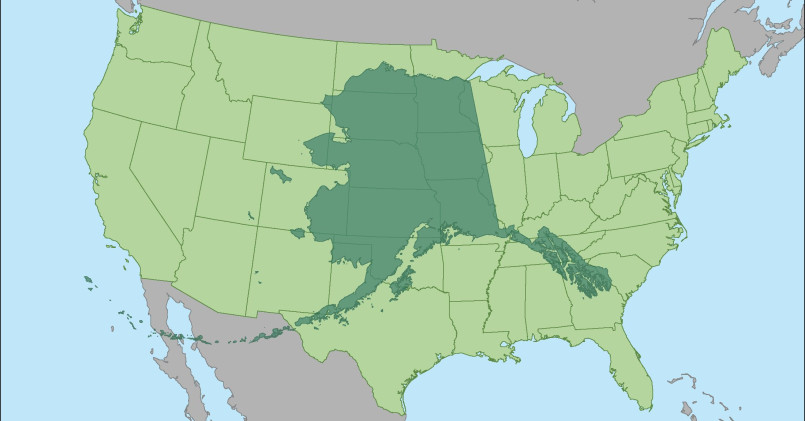
Texas consistently records the highest absolute number of tornadoes annually, averaging approximately 140-150 tornadoes per year. This significantly outpaces other tornado-prone states. The Lone Star State's massive geographical size (268,596 square miles) contributes significantly to this statistic - simply put, Texas has more land area where tornadoes can potentially form.
However, when examining tornado density (tornadoes per square mile), states like Oklahoma, Kansas, and Florida often show higher concentrations of these destructive storms relative to their size. For instance, Oklahoma typically experiences around 60-80 tornadoes annually despite being much smaller than Texas.

What makes Texas particularly vulnerable is its unique position at the intersection of multiple climate zones. The state's eastern portions receive moist air from the Gulf of Mexico, while dry air from the southwestern deserts and cool air from the Rocky Mountains create the perfect conditions for severe thunderstorms and tornadoes, especially during spring months.
Tornado Alley Explained: Why Some States Get Hit Harder
The term "Tornado Alley" typically describes a region in the central United States where tornadoes occur with the highest frequency. Traditionally, this area encompasses parts of Texas, Oklahoma, Kansas, Nebraska, South Dakota, and portions of neighboring states. The unique geography creates ideal conditions for tornado formation:
- Warm, moist air from the Gulf of Mexico
- Cool, dry air from the Rocky Mountains and Canada
- Flat terrain that allows different air masses to collide
- The jet stream providing upper-level wind shear
These ingredients combine most frequently during spring and early summer, creating the perfect recipe for supercell thunderstorms capable of producing violent tornadoes. While Texas leads in raw numbers, Oklahoma, Kansas, and Iowa have historically experienced some of the most devastating tornadoes on record.
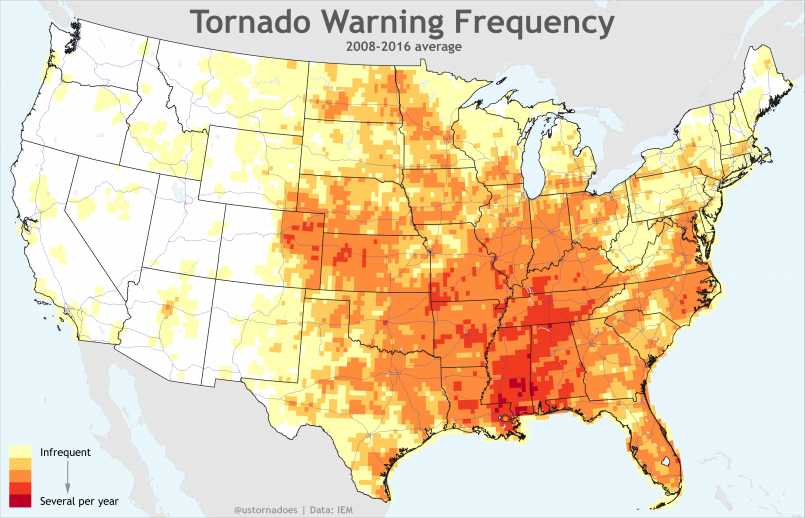
Interestingly, meteorologists have observed a subtle eastward shift in tornado activity in recent decades, with increased tornado reports in states like Alabama, Mississippi, Tennessee, and Kentucky. Some researchers have begun referring to this emerging region as "Dixie Alley," noting that tornadoes in this area can be particularly dangerous due to factors like higher population density, more tree cover limiting visibility, and a higher frequency of nighttime tornadoes.
Seasonal Tornado Patterns Across States
Tornado season varies geographically across the United States. Understanding these seasonal patterns reveals why certain states experience tornadoes at different times of year:
- Spring (March-May): The peak tornado season for Texas, Oklahoma, Kansas, and much of Tornado Alley
- Summer (June-August): Northern states like Minnesota, Wisconsin, and the Dakotas see their highest tornado frequency
- Fall (September-November): Secondary tornado season for Gulf Coast states
- Winter (December-February): Florida and other southeastern states experience their highest tornado risk
This seasonal rotation explains why Texas maintains its lead in the annual tornado count - its tornado season begins earlier than most states and can extend longer into summer months. Additionally, Texas can experience tornadoes during winter and fall severe weather outbreaks, giving it nearly year-round tornado potential.
Deadliest vs. Most Frequent: Understanding Tornado Impact
While Texas experiences the most tornadoes numerically, the deadliest and most destructive tornadoes don't necessarily occur in the state with the highest frequency. Factors affecting tornado impact include:
- Population density in tornado paths
- Time of day tornadoes occur (nighttime tornadoes are more dangerous)
- Building codes and shelter availability
- Warning systems and public awareness
- Tornado intensity (EF-scale rating)
Oklahoma, for example, has experienced some of history's most devastating tornadoes, including the 2013 Moore tornado (EF5) that caused $2 billion in damage. Similarly, the 2011 Joplin, Missouri tornado remains one of the deadliest single tornadoes in US history, despite Missouri not ranking among the top states for tornado frequency.

Climate Change Impact on Tornado Distribution
Climate scientists continue to study how climate change might be affecting tornado patterns across the United States. While the research remains ongoing, several potential shifts have been observed:
- An eastward shift in tornado activity from traditional Tornado Alley toward the Southeast
- Increased clustering of tornadoes (more tornadoes occurring in outbreaks)
- Potential changes in seasonal timing of peak tornado activity
- Greater year-to-year variability in tornado counts
These changes could eventually alter which state holds the title for most tornadoes, though Texas's geographical advantages make it likely to remain near the top of the list regardless of climate shifts. The increasing tornado activity in southeastern states bears watching, as population density in these regions creates higher vulnerability.
Tornado Safety and Preparedness
For residents of tornado-prone states, preparedness can mean the difference between life and death. Key safety measures include:
- Creating a family emergency plan with designated shelter areas
- Installing tornado alerts on mobile devices
- Keeping emergency supplies including food, water, and batteries
- Knowing the difference between tornado watches (conditions favorable) and warnings (tornado spotted)
- Identifying the safest location in your home (typically a basement, storm cellar, or interior room without windows)
States with high tornado frequencies typically invest heavily in early warning systems, public education, and building codes designed to mitigate tornado damage. Oklahoma, for instance, has some of the world's most advanced tornado detection technology despite ranking second to Texas in overall tornado counts.
Whether you live in Texas or any other tornado-prone state, understanding your risk and preparing accordingly remains the best defense against these powerful forces of nature. While we cannot prevent tornadoes, improved forecasting and preparation continue to reduce their deadly impact across America.
Frequently Asked Questions About Tornado Alley Revealed: Which US State Gets Hit By the Most Twisters Annually?
Which state has the most tornadoes per year?
Texas consistently records the highest absolute number of tornadoes annually, averaging approximately 140-150 per year. However, when considering tornado density (tornadoes per square mile), states like Oklahoma, Kansas, and Florida often show higher concentrations relative to their size.
When is tornado season in the United States?
Tornado season varies by region. The peak season for Tornado Alley (including Texas, Oklahoma, Kansas) is spring (March-May), northern states see most tornadoes in summer (June-August), Gulf Coast states have a secondary season in fall, and southeastern states like Florida experience winter tornadoes (December-February).
Is Tornado Alley shifting due to climate change?
Research indicates there may be an eastward shift in tornado activity, with increased tornado reports in Alabama, Mississippi, Tennessee, and Kentucky (sometimes called 'Dixie Alley'). Climate scientists are studying how climate change affects tornado patterns, including potential changes in seasonal timing and frequency of outbreaks.
What state has the deadliest tornadoes?
While Texas has the most tornadoes numerically, the deadliest don't necessarily occur in the highest-frequency states. States like Missouri, Alabama, and Oklahoma have experienced some of history's most devastating tornadoes. Factors affecting fatalities include population density, time of day, building codes, warning systems, and tornado intensity.
How do you stay safe during a tornado?
Key safety measures include: having a family emergency plan with designated shelter areas, installing tornado alerts on mobile devices, maintaining emergency supplies, understanding the difference between tornado watches and warnings, and identifying the safest location in your home (typically a basement, storm cellar, or interior room without windows).
Why does Texas get so many tornadoes?
Texas's high tornado count stems from several factors: its massive geographical size (268,596 square miles), its position at the intersection of multiple climate zones, moisture from the Gulf of Mexico meeting dry air from southwestern deserts and cool air from the Rocky Mountains, and its ability to experience tornadoes across multiple seasons of the year.