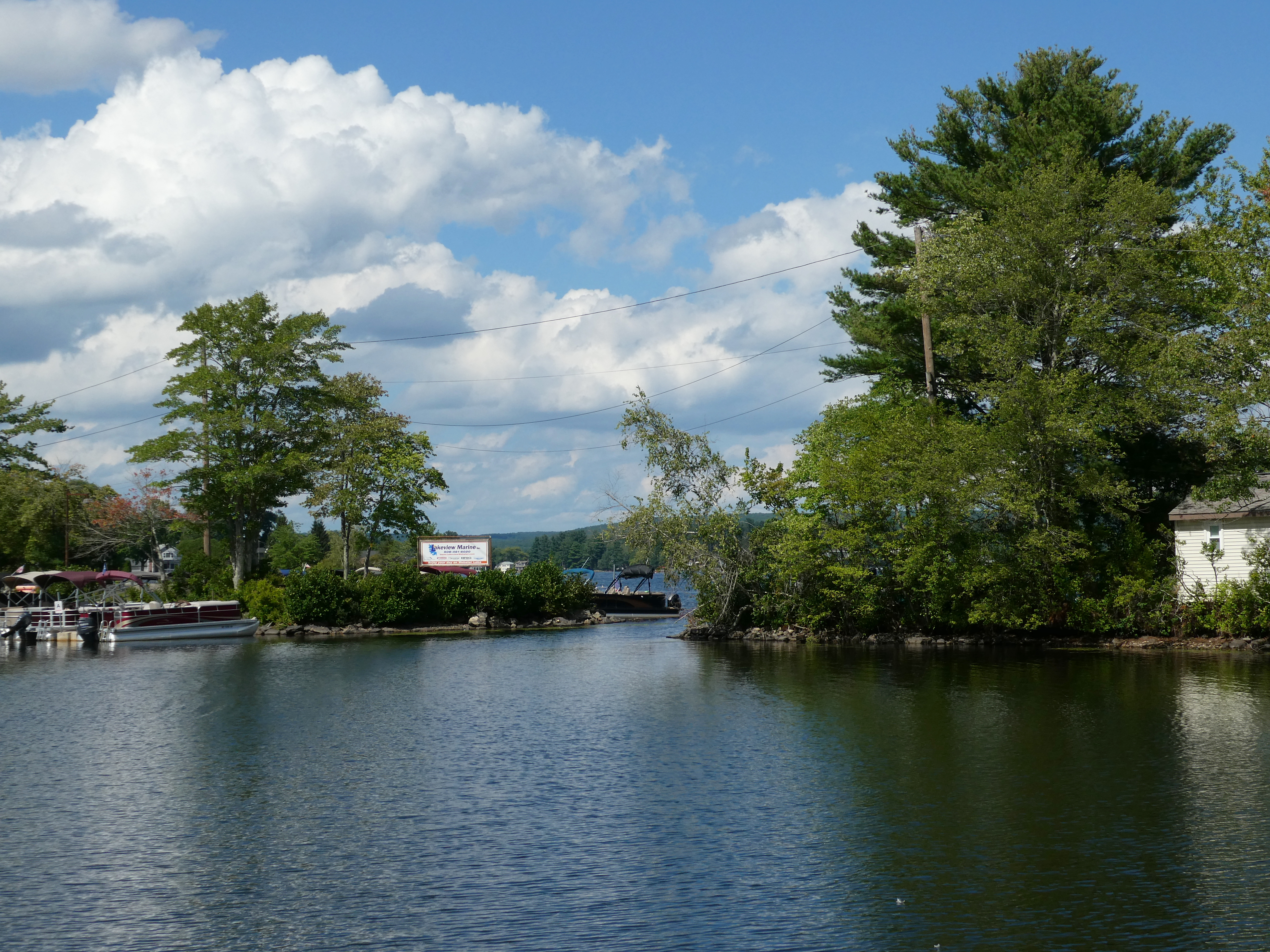
In the small town of Webster, Massachusetts lies a lake with an extraordinary claim to fame: a 45-letter name that's recognized as the longest place name in the United States. Lake Chargoggagoggmanchauggagoggchaubunagungamaugg has become both a source of local pride and a nationwide curiosity.
In a quiet corner of Massachusetts, there exists a lake whose name has become legendary not for its size or beauty, but for its extraordinary length. With 45 letters, Lake Chargoggagoggmanchauggagoggchaubunagungamaugg holds the distinction of being the place with the longest name in the United States, presenting a formidable challenge to mapmakers, sign painters, and tourists attempting pronunciation alike.
This remarkable name has transformed a otherwise typical New England lake into a linguistic curiosity and point of pride for locals, who have embraced their town's claim to fame with enthusiasm and good humor. The name's complexity has even spawned t-shirts, postcards, and local businesses that capitalize on this unique linguistic landmark.
The Origin Story
The lake's extraordinary name has roots in the Native American Nipmuc language, though its current form represents something of a complicated history. The original Nipmuc name was likely "Chargoggaggoggmanchoggagogg," which roughly translates to "Fishing Place at the Boundaries." This referred to a neutral fishing territory used by multiple tribes.
However, the current 45-letter version appears to have been partially the result of a humorous embellishment by a local newspaper editor named Laurence J. Daly in the early 20th century. Around 1921, Daly published the fanciful translation: "You fish on your side, I fish on my side, and nobody fishes in the middle," which, while catchy, isn't historically accurate.
The name we know today seems to have been cemented through repetition and local pride rather than linguistic accuracy. Nevertheless, it has become officially recognized on maps and in government documents.

Pronunciation Guide
Attempting to pronounce the lake's full name is a rite of passage for visitors. Locals break it down into manageable chunks:
char-GOG-a-gog-man-CHOG-a-gog-chau-bun-a-gung-a-maugg
Even many longtime residents of Webster resort to the simplified "Lake Webster" or "Lake Chargo" for everyday use. However, during community celebrations and tourism events, the full pronunciation is proudly attempted, often with dramatic pauses for breath.
The town has embraced the challenge, with pronunciation contests sometimes featured at local festivals. Schoolchildren in Webster often learn to pronounce the lake's full name as part of their local history education, carrying on the tradition through generations.
Webster, Massachusetts: The Home of the Long-Named Lake
Webster is a town of approximately 16,000 residents located on the Connecticut border in south-central Massachusetts. Founded in 1832 and named after the statesman Daniel Webster, the town developed around textile manufacturing in the 19th century.
Today, the town's economy has diversified, but tourism related to the lake plays a significant role. The lake itself covers about 1,442 acres and reaches depths of up to 45 feet, making it the second-largest natural lake in Massachusetts.
Beyond its famous name, the lake offers typical New England recreational opportunities including fishing, boating, and swimming. Bass, trout, and pike attract anglers throughout the fishing season, while its clear waters make it popular for swimming during summer months.

Cultural Impact and Local Pride
The lake's name has become central to Webster's identity. Local businesses frequently incorporate references to the lake in their names and marketing materials. The town's welcome sign proudly declares Webster as "Home of Lake Chargoggagoggmanchauggagoggchaubunagungamaugg," with the full spelling displayed.
Souvenirs featuring the lake's name are among the most popular items in local gift shops. T-shirts, mugs, and postcards bearing the full 45-letter spelling can be found throughout Webster. The local chamber of commerce has even created an official "I can pronounce Lake Chargoggagoggmanchauggagoggchaubunagungamaugg" certificate for tourists who successfully attempt the pronunciation.
In 2004, controversy erupted when new signs were erected with incorrect spellings of the name. Public outcry was immediate, demonstrating how deeply the correct 45-letter spelling had become embedded in local identity. The signs were promptly replaced with the proper spelling.
Visiting the Lake with the Longest Name
Visitors to Lake Chargoggagoggmanchauggagoggchaubunagungamaugg can access several public beaches and boat launches around its perimeter. Memorial Beach on the eastern shore offers swimming facilities, picnic areas, and boat rentals during summer months.
The lake is particularly stunning during New England's fall foliage season (late September through October), when the surrounding maple and oak trees display vibrant colors reflected in the water. Winter brings ice fishing opportunities when the lake freezes solidly.
For history enthusiasts, the Webster Museum houses exhibits on the lake's Native American heritage and the evolution of its famous name. Guided tours highlighting the lake's cultural significance are available during summer months through the local historical society.

Other Contenders for Longest Place Names
While Lake Chargoggagoggmanchauggagoggchaubunagungamaugg holds the U.S. record for longest place name, other locations around the world have their own lengthy monikers.
In New Zealand, Taumatawhakatangihangakoauauotamateaturipukakapikimaungahoronukupokaiwhenuakitanatahu (85 letters) is often cited as the world's longest place name for a hill in Hawke's Bay. Its name translates roughly to "The summit where Tamatea, the man with the big knees, the slider, climber of mountains, the land-swallower who travelled about, played his nose flute to his loved one."
In Wales, the village of Llanfairpwllgwyngyllgogerychwyrndrobwllllantysiliogogogoch (58 letters) is another famous example, with its name deliberately lengthened in the 1860s as a publicity stunt to attract tourists.
Despite these international contenders, Lake Chargoggagoggmanchauggagoggchaubunagungamaugg remains America's champion, continuing to challenge tongues and fascinate visitors with its extraordinary name that connects modern Americans to the indigenous history of New England.
Frequently Asked Questions About The Town with America's Longest Place Name: 45 Letters You Can't Pronounce
How do you pronounce Lake Chargoggagoggmanchauggagoggchaubunagungamaugg?
The name is typically broken down as: char-GOG-a-gog-man-CHOG-a-gog-chau-bun-a-gung-a-maugg. Many locals simplify it to 'Lake Chargo' or 'Lake Webster' for everyday use, though being able to pronounce the full name is considered a point of local pride.
What does the name Lake Chargoggagoggmanchauggagoggchaubunagungamaugg mean?
While popularly translated as "You fish on your side, I fish on my side, and nobody fishes in the middle," this is actually a humorous fabrication created by a newspaper editor in the 1920s. The actual Nipmuc name likely meant something closer to "Fishing Place at the Boundaries," referring to its status as neutral fishing territory for different tribes.
Is this really the longest place name in the United States?
Yes, at 45 letters, Lake Chargoggagoggmanchauggagoggchaubunagungamaugg is officially recognized as having the longest place name in the United States. It appears on maps, government documents, and official state records with this spelling.
When is the best time to visit Lake Chargoggagoggmanchauggagoggchaubunagungamaugg?
Summer (June-August) is ideal for swimming and boating, while fall (late September-October) offers spectacular foliage views around the lake. Fishing is good throughout spring and summer, and ice fishing is popular during winter when the lake freezes over, typically January through February.
Are there public beaches at Lake Chargoggagoggmanchauggagoggchaubunagungamaugg?
Yes, Memorial Beach is the main public beach on the eastern shore of the lake. It offers swimming areas, picnic facilities, and boat rentals during the summer season. There are also several boat launches around the perimeter providing public access for fishing and boating.
How did the lake get such a long name?
The name evolved from a shorter Nipmuc indigenous name, but was lengthened over time, partly due to a humorous extension by newspaper editor Laurence J. Daly in the early 20th century. Through repetition and local pride, the 45-letter version became officially recognized and a source of community identity for Webster residents.


