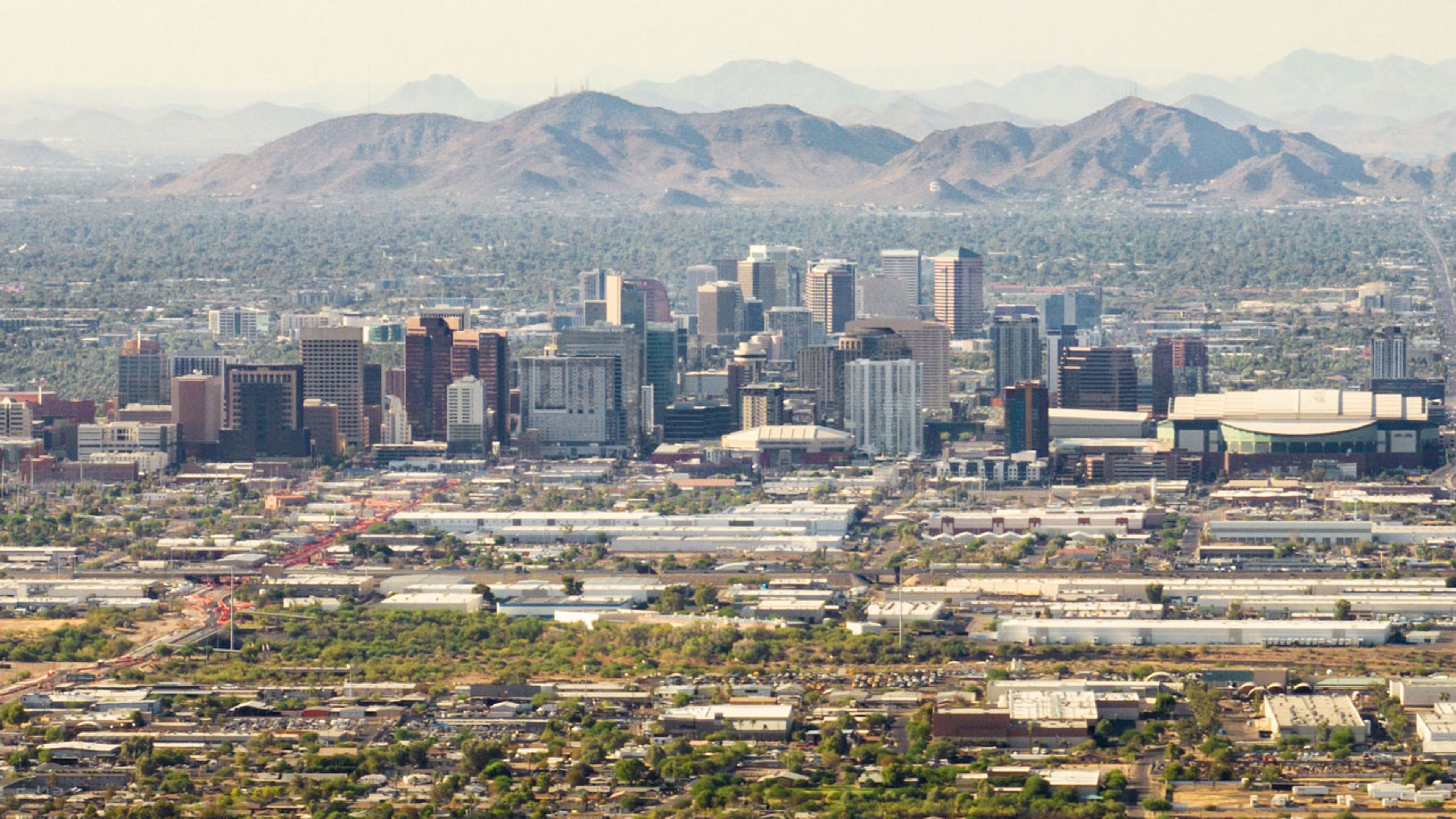
When summer arrives in America, certain cities transform into veritable heat islands where temperatures regularly soar well above 100°F. From the desert metropolis of Phoenix to the humid heat of New Orleans, these urban centers present unique challenges to residents and fascinating extremes for weather enthusiasts.
As climate change continues to impact global temperatures, American cities are experiencing increasingly extreme summer heat. For some urban centers across the United States, triple-digit temperatures aren't just occasional occurrences-they're the seasonal norm. From the scorching desert Southwest to the humid Gulf Coast, these cities demonstrate the remarkable adaptability of human settlements even in the most challenging climates.
While many travelers specifically avoid these locations during peak summer months, others are drawn to experience these extreme environments firsthand. Let's explore America's hottest urban areas and discover what makes them uniquely resilient in the face of punishing temperatures.
Phoenix, Arizona: America's Heat Champion
Phoenix rightfully earns its reputation as America's hottest major city, with average July temperatures exceeding 106°F. In 2023, the city broke records with an unprecedented streak of 31 consecutive days above 110°F. The urban heat island effect intensifies these already extreme temperatures, creating nighttime conditions that offer little relief.
Despite the heat, Phoenix continues to grow rapidly, with residents adapting through extensive air conditioning, early morning outdoor activities, and architectural designs that minimize sun exposure. The city's water management systems, including the Central Arizona Project canal, provide crucial resources to this desert metropolis.

Las Vegas, Nevada: Desert Playground in Extreme Heat
Las Vegas experiences summer temperatures regularly exceeding 100°F, with July averages hovering around 104°F. The city's famous Strip becomes a veritable oven during summer days, with pavement temperatures hot enough to cause burns. Tourists often underestimate the intensity of the dry desert heat, leading to numerous heat-related illnesses each summer.
Casino resorts have developed elaborate cooling systems and indoor environments that allow visitors to forget the scorching conditions outside. Many properties feature misting systems around pools and outdoor areas to provide evaporative cooling in the extremely low humidity.
Death Valley, California: Record-Breaking Temperatures
While technically not a major city, Death Valley deserves mention as home to Furnace Creek, which holds the world record for the highest reliably recorded air temperature on Earth: 134°F (56.7°C) in 1913. Summer temperatures consistently reach above 120°F, creating an otherworldly landscape where few organisms can survive.
Despite these extreme conditions, Death Valley National Park attracts adventure tourists and extreme weather enthusiasts year-round. Park rangers implement strict safety protocols during summer months, advising visitors to avoid hiking after 10 AM and to carry substantial water supplies.

Palm Springs, California: Luxurious Desert Heat
This desert resort city experiences scorching summer temperatures regularly exceeding 108°F. What makes Palm Springs unique is how it has embraced its extreme climate as part of its luxury appeal. The city essentially operates on a reverse seasonal schedule, with peak tourism during winter months while summer brings drastically reduced rates at high-end resorts.
The city's Mid-Century Modern architecture was specifically designed for desert conditions, with features like deep overhangs, strategic orientation, and indoor-outdoor living spaces that maximize shade while celebrating the desert landscape.
Tucson, Arizona: Desert Heat with Mountain Views
Tucson experiences average July high temperatures around 100°F, slightly more moderate than Phoenix due to its higher elevation. The city is surrounded by mountain ranges that create a unique microclimate with dramatic temperature variations between day and night.
Local architecture shows significant influence from indigenous building techniques that have managed desert heat for centuries. Adobe construction, thick walls, small windows, and courtyard designs that create natural airflow remain important elements in regional building styles.
Houston, Texas: Combining Heat and Humidity
Unlike the dry heat of southwestern cities, Houston presents a different challenge with average summer temperatures around 94°F combined with oppressive humidity often exceeding 75%. This combination creates heat index values that frequently surpass 105°F, making outdoor activity dangerous during peak summer days.
Houston has developed extensive underground tunnel systems in its downtown area, allowing workers to move between buildings without exposure to the punishing summer conditions. The city's energy infrastructure is heavily tested during summer months when air conditioning demand reaches maximum levels.

Miami, Florida: Tropical Heat Year-Round
Miami's tropical climate means summer temperatures typically range from 85-90°F, not as extreme as desert cities but combined with near-constant humidity above 70%. The real challenge in Miami is the persistence of heat, with warm temperatures continuing well into night hours and minimal seasonal variation.
The city's building designs reflect this reality with extensive use of breezeways, elevation to capture sea breezes, and indoor-outdoor living spaces. Miami's beach culture has evolved specifically around the persistent heat, with early morning and evening activities becoming the norm during summer months.
New Orleans, Louisiana: The Steam Bath of the South
New Orleans summer temperatures typically hover around 91°F, but the humidity regularly exceeds 80%, creating what locals describe as a "steam bath" effect. The city's location below sea level and surrounding swampland contribute to air that feels thick and oppressive during summer months.
The city's historical architecture evolved specifically to address these conditions, with high ceilings, raised foundations, transoms above doors, and shotgun house designs that maximize cross-ventilation. Modern New Orleans still observes traditionally slower pace during summer afternoons.
Dallas, Texas: Urban Heat Island Effect
Dallas experiences average July temperatures around 96°F, but extensive concrete and asphalt amplify the urban heat island effect, creating localized hot spots that can be 5-15 degrees warmer than surrounding rural areas. The city frequently experiences long stretches of consecutive 100°F+ days during summer.
In response, Dallas has initiated ambitious tree planting programs and is incorporating more reflective surfaces in new construction. The city has also developed an extensive network of climate-controlled skywalks connecting downtown buildings to minimize heat exposure.
El Paso, Texas: Border City Baking Point
Situated in the Chihuahuan Desert, El Paso experiences average summer temperatures around 95°F with extremely low humidity. The city receives intense solar radiation due to its elevation of 3,740 feet and proximity to the equator compared to other U.S. cities.
Traditional adobe building techniques remain influential in regional architecture. The city has adapted to its climate through extensive xeriscaping practices, replacing water-intensive landscaping with native desert plants that thrive in high-heat conditions.

Surviving Extreme Heat: How Residents Adapt
Across America's hottest cities, certain adaptations have become universal. Residents adopt "reverse hibernation" schedules during summer months, conducting outdoor activities during early morning or evening hours while remaining indoors during peak afternoon heat. Public spaces increasingly incorporate shade structures, misting systems, and access to drinking water.
Climate-responsive urban planning has gained importance, with cities investing in cooling centers for vulnerable populations, increasing urban tree canopy, and implementing reflective roofing standards. As climate projections suggest these extreme conditions will become more common, America's hottest cities serve as living laboratories for heat adaptation strategies that may soon become relevant to a much wider range of urban environments.
Frequently Asked Questions About 10 Sweltering Cities: Discover America's Hottest Summer Destinations
What is the hottest city in America during summer?
Phoenix, Arizona consistently ranks as America's hottest major city during summer, with average July temperatures exceeding 106°F. In recent years, Phoenix has broken records with extended periods above 110°F, including a 31-day streak in 2023. The city's urban heat island effect means nighttime temperatures often remain above 90°F, providing little relief from the daytime extremes.
Why does humidity make heat feel worse in cities like Houston and Miami?
Humidity intensifies heat sensation because it prevents sweat from evaporating, which is the body's primary cooling mechanism. While Phoenix might record 110°F with 10% humidity, Houston might feel equally uncomfortable at 95°F with 75% humidity. The "heat index" or "feels like" temperature factors in humidity, which explains why Gulf Coast cities with temperatures in the 90s can feel as oppressive as desert cities with temperatures in the 100s.
When is the best time to visit America's hottest cities?
For most of America's hottest cities, October through April offers the most comfortable conditions. Desert cities like Phoenix, Las Vegas, and Palm Springs are particularly pleasant from November to March, with daytime temperatures in the 60s-70s°F. Gulf Coast cities like Houston, New Orleans, and Miami are best visited in winter (December-February) or spring (March-April) before humidity becomes oppressive. Many hotels offer significant discounts during summer months.
How do buildings in hot cities differ from those in cooler regions?
Architecture in America's hottest regions typically features thicker walls for insulation, smaller windows (often placed high to release hot air), light-colored exteriors to reflect sunlight, and overhangs to create shade. Traditional designs like the New Orleans shotgun house and Southwestern adobe structures were specifically developed to maximize airflow and minimize heat gain before air conditioning existed. Modern buildings incorporate these principles while adding technological solutions like specialized glass and smart climate control systems.
Is climate change making America's hottest cities even hotter?
Yes, climate data shows America's hottest cities are experiencing more extreme heat events and longer hot seasons. Phoenix now averages 21 more days above 110°F annually than in the 1950s. Cities are responding with heat action plans, including expanded cooling centers, increased urban tree canopy (which can reduce local temperatures by 2-9°F), reflective pavement technologies, and revised building codes requiring better thermal performance. Many hot cities have appointed Chief Heat Officers to coordinate these adaptation efforts.


