
America's greatest dams didn't just hold back water-they created entirely new worlds. From the engineering marvel of Hoover Dam to the recreational paradise around Glen Canyon Dam, these massive structures spawned boom towns, transformed deserts into oases, and reshaped the American West. The communities that grew in their shadows tell fascinating stories of ambition, innovation, and the enduring human desire to conquer nature.
The story of America's most impressive dams is inseparable from the communities they created. Between the 1930s and 1970s, the United States embarked on one of history's most ambitious infrastructure campaigns, constructing massive concrete barriers that would forever alter the landscape, economy, and culture of entire regions. These weren't just engineering projects-they were catalysts for entirely new societies carved from wilderness and desert.
From purpose-built worker towns that evolved into thriving cities to the recreational economies that transformed sleepy outposts, America's greatest dams fundamentally reshaped how we live, work, and play. Here are ten of the most impressive dams and the remarkable communities that grew in their wake.
Hoover Dam: Boulder City's Birth from Desert Dreams
Standing 726 feet tall between Nevada and Arizona, Hoover Dam remains an icon of American ambition. Completed in 1936 during the depths of the Great Depression, this concrete arch-gravity dam on the Colorado River created Lake Mead, the largest reservoir in the United States by volume.

The dam's construction necessitated the creation of Boulder City, Nevada, a meticulously planned company town built to house the 5,000 workers and their families. Unlike the wild frontier towns of the past, Boulder City was designed with tree-lined streets, schools, and recreational facilities. Remarkably, it was founded as a non-gaming city-the only municipality in Nevada where gambling was prohibited from its inception.
Today, Boulder City maintains its unique character with a population of approximately 16,000 residents. The town has evolved into a gateway for Lake Mead recreation, hosting millions of annual visitors who come for boating, fishing, and dam tours. The Boulder City Historic District preserves the original planned community's architecture, while the town's proximity to Las Vegas (just 30 miles away) creates an interesting contrast between quiet residential life and the glittering metropolis beyond.
Grand Coulee Dam: Engineering the Columbia Basin
The Grand Coulee Dam in Washington State is the largest concrete structure in North America and the country's largest producer of hydroelectric power. Rising 550 feet high and stretching nearly a mile across the Columbia River, this gravity dam was completed in 1942 as part of the New Deal's ambitious public works program.
The dam's construction led to the establishment of several communities, most notably the merger of Engineers Town, Mason City, and Grand Coulee into the current city of Grand Coulee. The nearby towns of Electric City and Coulee Dam also grew from worker camps into permanent settlements.
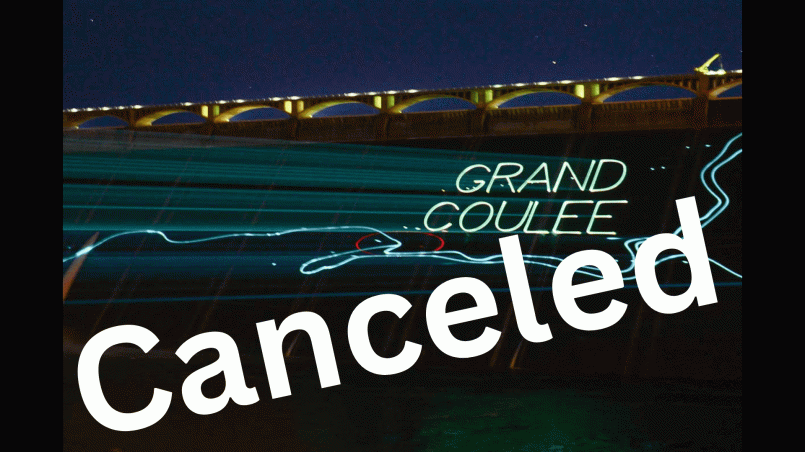
These communities, collectively known as the "Coulee Area," transformed from dusty construction camps into stable towns with a combined population of around 4,000. The dam brought irrigation to over 600,000 acres of previously arid land, converting the Columbia Basin into one of America's most productive agricultural regions. Today, the area economy balances between power generation, agriculture, and tourism, with the dam's nightly laser light show drawing visitors from around the world during summer months.
Glen Canyon Dam: Page, Arizona's Unlikely Paradise
Carved into the red sandstone cliffs near the Arizona-Utah border, Glen Canyon Dam stands 710 feet tall and created the stunning Lake Powell, America's second-largest reservoir. Completed in 1966, the dam required the construction of an entirely new city in one of the most remote locations in the continental United States.
Page, Arizona was built specifically to house dam workers and their families, and planners expected it to become a ghost town once construction ended. Instead, the spectacular beauty of Lake Powell and the surrounding Glen Canyon National Recreation Area transformed Page into a thriving tourism hub with over 7,000 permanent residents.

The town's economy revolves almost entirely around the 4 million annual visitors to Lake Powell, who come for houseboat vacations, fishing, and access to otherworldly landscapes like Antelope Canyon and Horseshoe Bend. Page features modern amenities-hotels, restaurants, a regional airport-that seem almost surreal in such an isolated desert location. The city represents one of the most successful transformations from temporary construction camp to permanent recreational destination.
Shasta Dam: California's Northern Gateway
California's Shasta Dam, completed in 1945, rises 602 feet above the Sacramento River, creating the state's largest reservoir, Shasta Lake. This curved gravity dam is the keystone of the Central Valley Project, which provides water and power to much of California's agricultural heartland.
The dam's construction required relocating several small communities and the town of Kennett, which now lies beneath Shasta Lake's waters. In their place, new communities emerged, including Shasta Lake City (originally called Central Valley or Project City), which grew from a workers' camp to a city of approximately 10,000 residents.

The area has developed into Northern California's premier freshwater recreation destination, with the lake featuring 365 miles of shoreline-more than the San Francisco Bay. The regional economy centers on tourism, with marinas, resorts, and vacation rentals supporting thousands of jobs. The nearby city of Redding experienced significant growth as the regional hub, expanding from fewer than 10,000 people in 1940 to over 90,000 today, largely due to the dam's influence on regional development.
Bonneville Dam: Powering the Pacific Northwest
The Bonneville Dam, spanning the Columbia River between Oregon and Washington, was the first of many dams on the Columbia River system. Completed in 1938 with a height of 197 feet, Bonneville is more historically significant than physically imposing, representing the beginning of the federal Columbia River development program.
Unlike some mega-dams, Bonneville didn't create a single large community but instead catalyzed growth in existing towns along both shores. The Washington communities of North Bonneville and Stevenson and Oregon's Cascade Locks all saw population increases and economic diversification.

Most remarkably, North Bonneville became the first American city completely relocated by the federal government. In the 1970s, the entire town of 400 residents was moved a mile upriver to make way for a second powerhouse expansion. The new town was meticulously planned with modern infrastructure, though the move remains controversial among longtime residents.
Today, these Columbia River communities balance hydroelectric operations, commercial fishing, recreation, and tourism. The Bonneville Lock and Dam Visitor Center attracts hundreds of thousands of visitors annually, who come to watch salmon navigate the fish ladders-a technological solution to the ecological impact of damming salmon migration routes.
Oroville Dam: The Tallest American Achievement
At 770 feet high, Oroville Dam in Northern California holds the distinction of being the tallest dam in the United States. This earthfill dam on the Feather River was completed in 1968 and created Lake Oroville, a crucial component of California's State Water Project.
The city of Oroville, with a population of approximately 20,000, existed long before the dam as a Gold Rush town, but the dam project fundamentally transformed its economy and identity. During construction, thousands of workers flooded into the area, spurring rapid development and modernization.

The dam gained international attention in 2017 when its main spillway failed during heavy rains, forcing the evacuation of nearly 200,000 downstream residents-the largest evacuation in California history. The crisis prompted a $1.1 billion reconstruction project, bringing temporary economic benefits to Oroville but also highlighting the ongoing responsibilities of maintaining aging infrastructure.
Today, Lake Oroville serves as a popular recreation destination with camping, boating, and fishing, supporting a regional tourism economy. The area's communities have learned to balance appreciation for the dam's economic benefits with awareness of living in the shadow of one of America's tallest and most scrutinized water infrastructure projects.
Fort Peck Dam: Montana's New Deal Legacy
Fort Peck Dam on Montana's Missouri River stands as one of the largest earthen dams in the world, measuring 21,026 feet long and 250 feet high. Completed in 1940 as part of Roosevelt's New Deal, it was the first of six major dams on the Missouri River and created Fort Peck Lake, which has more shoreline than California's entire coast.
The dam's construction during the Great Depression drew over 10,000 workers to the remote Montana prairie, creating several boom towns. Fort Peck itself was a planned community with neat rows of cottages for supervisors, while workers lived in sprawling shantytowns with colorful names like Wheeler, New Deal, Delano Heights, and Park Grove.

When the project ended, most workers departed, and the shantytowns vanished. Today, Fort Peck is a small community of fewer than 300 permanent residents, though it swells during summer recreation season. The town maintains several original New Deal-era buildings, including a striking theater and hotel that now house museums. The nearby city of Glasgow, Montana (population 3,300) serves as the regional hub, with an economy supported by dam operations, recreation, and nearby military installations.
Fort Peck represents a different pattern than other dam communities-rather than sustained growth, it experienced boom and bust, settling into a quiet existence as a recreation destination and historical curiosity on Montana's isolated eastern plains.
Garrison Dam: North Dakota's Transformation
North Dakota's Garrison Dam, completed in 1953, is the fifth-largest earthen dam in the world. Standing 210 feet high and stretching more than 2 miles across the Missouri River, it created Lake Sakakawea, the third-largest reservoir in the United States.
Unlike some dam projects that created new towns, Garrison Dam's construction led to the submersion of existing communities. The rising waters of Lake Sakakawea flooded approximately 200,000 acres of the Fort Berthold Indian Reservation, forcing the relocation of over 1,700 Native Americans from the fertile river bottomlands to the surrounding prairies-a displacement that remains controversial today.

The town of Garrison, with a population of around 1,500, grew from a small railroad stop into the dam's namesake community. However, it never experienced the explosive growth of western dam towns, remaining a modest agricultural and recreation hub. The nearby cities of Minot and Bismarck benefited more substantially from the dam's cheap electricity and flood control.
Today, Lake Sakakawea attracts anglers, boaters, and hunters to North Dakota's otherwise sparsely populated western region. The dam provides critical flood control for downstream communities while generating hydroelectric power, though the social and cultural costs to the displaced Native American communities continue to echo through generations.
New Cornelia Tailings Dam: The Hidden Giant
Few Americans have heard of the New Cornelia Tailings Dam near Ajo, Arizona, yet at 300 feet high, it's one of the largest dams in the United States-with a crucial difference: it doesn't hold back water. This massive earthen structure impounds mining tailings (waste rock) from copper mining operations.
The town of Ajo (population approximately 3,300) grew from a small mining camp in the early 1900s to a company town entirely owned and operated by the Phelps Dodge Corporation. The New Cornelia open-pit mine shaped every aspect of life in Ajo for decades, with the tailings dam expanding to contain the ever-growing waste from copper extraction.

When copper prices collapsed in the 1980s, the mine closed, and Ajo's population plummeted from over 6,000 to its current level. The town faced the challenge that confronts many single-industry communities: reinvention. Today, Ajo is transforming itself into an arts destination and winter haven for retirees, with its beautiful Spanish Colonial Revival plaza and affordable housing attracting artists and snowbirds.
The tailings dam remains a looming presence-both a reminder of Ajo's mining heritage and an ongoing environmental responsibility. While not a water dam in the traditional sense, New Cornelia represents how massive earthen structures shaped American communities in ways beyond hydroelectric power and irrigation.
Dworshak Dam: Idaho's Concrete Colossus
Idaho's Dworshak Dam, completed in 1973, is the tallest straight-axis concrete dam in the Western Hemisphere at 717 feet high. Built on the North Fork Clearwater River, it created Dworshak Reservoir, which stretches 54 miles through the forested mountains of north-central Idaho.
The dam's remote location-accessible only by a winding two-lane road-meant that unlike earlier dam projects, no new permanent town was established. Instead, the nearby community of Orofino (population around 3,100) experienced temporary growth during construction, then settled into a new identity focused on the recreational opportunities the reservoir provided.

Dworshak represents a shift in dam-building philosophy. Completed during an era of growing environmental awareness, it was one of the last major dams built in the United States before the environmental movement effectively halted most new large dam construction. The project faced significant opposition from conservationists concerned about salmon populations and wilderness preservation.
Today, Dworshak Reservoir offers some of Idaho's best fishing, particularly for rainbow trout and kokanee salmon, supporting a modest recreation economy. Orofino and nearby Ahsahka remain small, quiet communities that benefit from dam operations and tourism but never experienced the transformative boom of earlier dam towns. The area represents how dam communities evolved in later decades-maintaining stable, small populations rather than explosive growth.
Frequently Asked Questions About 10 Most Impressive Dams in America and the Communities They Created
Which American dam created the largest new community?
Page, Arizona, created for Glen Canyon Dam workers in the 1960s, became the largest purpose-built dam community with over 7,000 permanent residents. Boulder City, Nevada (Hoover Dam) is larger at 16,000 but incorporated existing settlements. Page is remarkable because planners expected it to become a ghost town, but Lake Powell tourism transformed it into a thriving city.
Are any of the original dam worker towns still preserved?
Yes, Boulder City's Historic District preserves the original 1930s planned community with tree-lined streets and distinctive architecture. Fort Peck, Montana maintains several New Deal-era buildings including a theater and hotel. Grand Coulee area also has preserved structures from the construction era, though many worker camps were temporary and demolished after completion.
Can you visit these dams and their communities year-round?
Most dams offer year-round visitor center access, though hours may be reduced in winter. The best time to visit is May through September when reservoirs are fullest and recreation facilities are fully operational. However, winter visits to places like Page or Boulder City offer fewer crowds and pleasant weather. Some remote dams like Dworshak may have limited winter access due to snow.
How did dam construction impact Native American communities?
Garrison Dam flooded 200,000 acres of the Fort Berthold Indian Reservation, displacing over 1,700 Native Americans from fertile bottomlands. Other dams also submerged Native lands and sacred sites. These relocations had profound and lasting cultural and economic impacts that continue to affect these communities today. Many tribes received inadequate compensation and were forced to less productive lands.
What happened to dam communities after construction ended?
Outcomes varied dramatically. Page and Boulder City successfully transitioned to tourism economies. Fort Peck largely emptied, becoming a tiny community. Orofino and Garrison remained stable but small. The most successful transitions occurred where spectacular reservoirs created recreation opportunities, while remote locations with less scenic appeal struggled to maintain populations after construction workers departed.
Why did the United States stop building large dams?
The environmental movement of the 1970s, growing awareness of ecological damage to salmon and other fish populations, displacement of communities, and the fact that most ideal dam sites were already developed led to the end of the large dam-building era. Dworshak Dam (1973) was among the last major projects. Today, focus has shifted to maintaining existing dams and environmental restoration.


