
The US dollar didn't become the world's reserve currency by accident. From wartime gold reserves to diplomatic negotiations that reshaped international finance, five crucial turning points elevated the dollar from a national currency to the backbone of global trade. Understanding these moments reveals how American economic dominance was built-and what might threaten it today.
When you think about global currency, the US dollar immediately comes to mind. It's the currency that central banks hoard, that oil trades in, and that businesses worldwide use for international transactions. But this dominance wasn't inevitable-it was forged through specific historical moments that fundamentally altered the architecture of global finance.
The journey from a regional currency to the world's reserve currency involved strategic decisions, fortunate timing, and America's growing economic might. These five pivotal moments transformed the dollar into what it is today: the undisputed king of international money.
World War I: The Great Gold Shift to America
Before World War I, the British pound sterling reigned supreme as the world's primary reserve currency. London was the financial capital of the world, and the pound backed by gold was the currency of choice for international trade. Then came 1914, and everything changed.
As European powers plunged into war, they needed to finance massive military operations. Britain and France turned to the United States, which remained neutral for the first three years, purchasing American goods and borrowing American money. To pay for these transactions, European nations shipped their gold reserves across the Atlantic.

By the war's end, the United States held approximately 40% of the world's monetary gold. This massive accumulation of precious metal gave the dollar unprecedented backing and credibility. America had transformed from a debtor nation into the world's largest creditor, and the dollar suddenly had the tangible wealth to support international confidence.
The gold influx wasn't just about quantity-it represented a fundamental power shift in global finance. While European economies struggled to rebuild, America's economy boomed, and its currency became increasingly attractive for international transactions.
The Federal Reserve: Building Institutional Credibility
A strong currency needs more than gold-it needs trusted institutions to manage it. The creation of the Federal Reserve System in 1913 provided the dollar with the institutional framework necessary for global confidence.
Before the Fed, America's banking system was fragmented and prone to periodic crises. The Panic of 1907 had demonstrated the need for a central authority to provide stability and act as a lender of last resort. The Federal Reserve answered this need by creating a unified monetary policy and banking supervision structure.
The Fed's establishment gave the dollar several advantages:
- Liquidity management: The ability to expand or contract the money supply as economic conditions required
- Banking stability: Reduced risk of bank runs and financial panics
- Credibility: A centralized institution that foreign governments and banks could trust
- Policy coordination: Unified approach to interest rates and monetary policy
While the Fed's creation alone didn't make the dollar a reserve currency, it provided the institutional foundation that would prove essential when international leadership opportunities arose. A currency without credible management is just paper; the Fed transformed the dollar into a professionally managed financial instrument.
Bretton Woods: The Dollar's Coronation
The most decisive moment in the dollar's ascent came in July 1944, when delegates from 44 Allied nations gathered at the Mount Washington Hotel in Bretton Woods, New Hampshire. With World War II still raging, these representatives were already planning the postwar economic order.

The Bretton Woods Agreement established a new international monetary system with the dollar at its center. Under this system, the US agreed to convert dollars to gold at a fixed rate of $35 per ounce, while other currencies would peg their values to the dollar. Essentially, the dollar became "as good as gold," and other currencies became as good as dollars.
This arrangement offered several advantages that made it attractive to war-torn nations:
- Stability: Fixed exchange rates reduced uncertainty in international trade
- Liquidity: Countries could hold dollars instead of gold for their reserves
- American strength: The US economy was the only major industrial power left undamaged by the war
- Gold backing: The dollar's convertibility to gold provided ultimate security
The agreement also created the International Monetary Fund (IMF) and the World Bank, institutions designed to provide stability and reconstruction funding. Both operated primarily in dollars, further cementing the currency's central role.
Bretton Woods was effectively the coronation of the dollar as the world's reserve currency. It wasn't just market forces that elevated the dollar-it was a deliberate institutional design that made the dollar synonymous with international money itself.
The Nixon Shock: Breaking Free from Gold
By the late 1960s, the Bretton Woods system faced increasing strain. The United States had been running persistent trade deficits, and dollars were flooding into foreign central banks. Countries like France began demanding gold in exchange for their dollar holdings, and America's gold reserves were steadily depleting.
On August 15, 1971, President Richard Nixon made a shocking announcement: the United States would no longer convert dollars to gold at the fixed rate. This "Nixon Shock" effectively ended the Bretton Woods system and moved the world to a system of floating exchange rates.
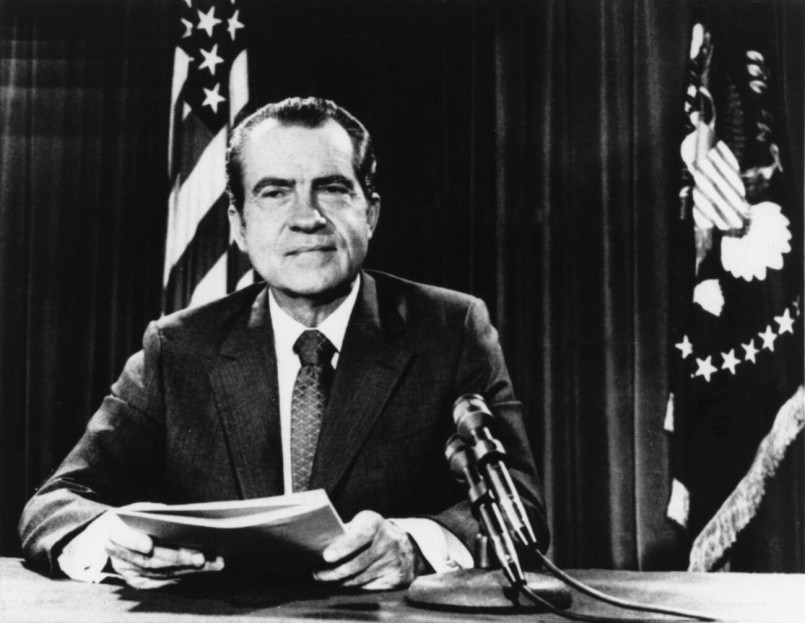
Many observers predicted this would destroy the dollar's reserve status. Without gold backing, what gave the dollar its value? The answer turned out to be more complex and more durable: the strength of the American economy itself, backed by:
- Economic size: The US remained the world's largest economy
- Financial markets: Deep, liquid markets for dollar-denominated assets
- Political stability: Reliable institutions and rule of law
- Military power: America's security umbrella made the dollar attractive to allies
- Network effects: Everyone used dollars because everyone else used dollars
Rather than diminishing the dollar, the gold standard's end actually freed the currency from a major constraint. The Federal Reserve could now adjust monetary policy without worrying about gold reserves, and the dollar could float to levels that reflected economic fundamentals rather than arbitrary fixed rates.
This moment demonstrated that the dollar's value rested not on precious metal but on the full faith and credit of the US government and economy-a foundation that has proven remarkably resilient.
The Petrodollar System: Oil's Golden Handshake
The collapse of Bretton Woods could have marked the beginning of the dollar's decline, but American policymakers quickly found a new pillar to support the currency's dominance: oil.
In the wake of the 1973 oil crisis, the United States negotiated a series of agreements with Saudi Arabia and other OPEC members. The core of these deals was simple but powerful: oil would be priced and traded exclusively in US dollars. In exchange, the US would provide military protection and support to the oil-producing nations.
This arrangement, known as the petrodollar system, created artificial demand for dollars regardless of America's trade balance. Here's how it worked:
- Countries needed oil to power their economies
- Oil was priced in dollars
- Therefore, countries needed to hold dollar reserves to purchase oil
- Oil exporters received dollars and often invested them in US Treasury bonds
- This created a continuous cycle of dollar demand
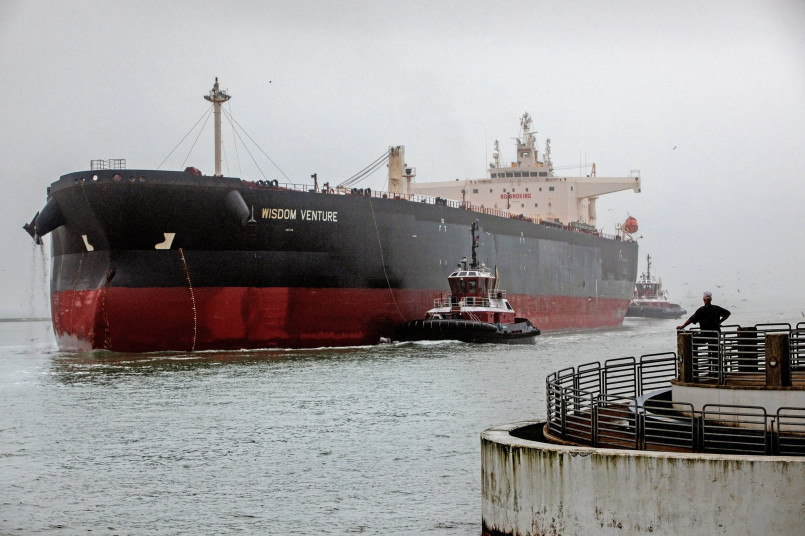
The petrodollar system gave the US extraordinary advantages. It meant that America could run trade deficits without facing the same currency pressures other nations would experience. When other countries ran deficits, they risked currency devaluation and capital flight. When America ran deficits, the world needed those dollars to buy oil.
This system also strengthened the dollar's role in commodities markets more broadly. If the most important commodity traded in dollars, it made sense for other commodities to follow suit. Today, not just oil but gold, copper, wheat, and numerous other globally traded commodities are priced in dollars.
The petrodollar arrangement transformed the dollar from a currency backed by gold to one effectively backed by black gold-creating a foundation that has lasted for half a century.
The Future of Dollar Dominance
Today, the US dollar accounts for approximately 60% of global foreign exchange reserves, far exceeding any competitor. The euro holds about 20%, while the Chinese yuan claims less than 3% despite China's massive economy.
This dominance provides America with significant advantages, including the ability to borrow at lower interest rates, impose effective economic sanctions, and run persistent trade deficits without immediate consequences. Economists call this the "exorbitant privilege" of reserve currency status.
However, the dollar's supremacy faces new challenges:
- De-dollarization efforts: Countries like Russia and China are actively working to conduct trade in alternative currencies
- Digital currencies: Central bank digital currencies (CBDCs) could provide alternatives to the dollar
- Fiscal concerns: America's growing national debt raises questions about long-term stability
- Political polarization: Domestic instability could undermine confidence in US institutions
- Weaponization: Using the dollar as a sanctions tool encourages others to seek alternatives

Despite these challenges, the dollar maintains structural advantages that are difficult to replicate. The depth and liquidity of US financial markets, the rule of law, and the network effects of existing dollar dominance create high barriers for competitors.
The five key moments that established dollar supremacy-the World War I gold shift, the Federal Reserve's creation, Bretton Woods, the Nixon Shock, and the petrodollar system-built a foundation that continues to support the currency today. Whether that foundation will endure for another century remains one of the most important questions in global economics.
Understanding these historical turning points helps us appreciate that reserve currency status isn't permanent-it's earned through economic strength, institutional credibility, and strategic decisions that create lasting advantages in the international system.
Frequently Asked Questions About 5 Key Moments That Made the US Dollar the World's Reserve Currency
What does it mean for the US dollar to be a reserve currency?
A reserve currency is one that governments and central banks hold in significant quantities as part of their foreign exchange reserves. Being the world's primary reserve currency means the US dollar is used for international trade, held as savings by foreign nations, and serves as the standard for pricing commodities like oil. This gives the United States significant economic advantages, including lower borrowing costs and greater influence over global financial systems.
When did the US dollar officially become the world's reserve currency?
The US dollar officially became the world's primary reserve currency with the Bretton Woods Agreement in 1944. However, this status was the result of a gradual process that began with America's accumulation of gold during World War I and the establishment of the Federal Reserve in 1913. The 1944 agreement formalized what had been developing for decades by pegging other currencies to the dollar and establishing the dollar's convertibility to gold.
How did ending the gold standard affect the dollar's reserve status?
When President Nixon ended dollar-gold convertibility in 1971, many predicted the dollar would lose its reserve status. Instead, the dollar remained dominant because it was backed by the strength of the US economy, deep financial markets, political stability, and established network effects. The petrodollar system, established shortly after, provided additional support by ensuring global oil trade occurred in dollars, creating continuous demand for the currency.
What is the petrodollar system and why does it matter?
The petrodollar system refers to agreements establishing that global oil trade would be conducted in US dollars. Beginning in the 1970s with Saudi Arabia and other OPEC members, these arrangements meant countries needed dollar reserves to purchase oil. This created artificial demand for dollars independent of US trade performance, allowing America to run trade deficits while maintaining a strong currency-a key pillar of continued dollar dominance.
Could the US dollar lose its reserve currency status?
While possible, losing reserve currency status would require a combination of significant factors: a major economic competitor with comparable market depth, sustained loss of confidence in US institutions, successful de-dollarization movements, or the emergence of a truly viable alternative like a widely-adopted digital currency. Historical precedents show reserve currency transitions take decades and require substantial shifts in global economic power. The dollar's network effects and structural advantages make rapid displacement unlikely.
What advantages does the US gain from the dollar's reserve status?
The US benefits from lower borrowing costs (other countries need to hold dollars, increasing demand for US Treasury bonds), the ability to run persistent trade deficits without immediate currency crises, reduced exchange rate risk for American businesses, seigniorage profits from currency issuance, and significant power to impose economic sanctions. Economists call this the 'exorbitant privilege' of reserve currency status, though it also comes with responsibilities to maintain global liquidity.


