Homeownership remains a cornerstone of the American Dream, but the path to owning a home varies dramatically across the United States. While national homeownership rates hover around 66%, certain states far exceed this average, with some reaching nearly 75% ownership. These high-ownership states share surprising characteristics that go beyond just affordable housing prices-from regional culture and economic stability to tax policies and available land. Understanding where Americans are most likely to own their homes reveals fascinating patterns about housing affordability, lifestyle preferences, and regional economic health.
The dream of homeownership looks different across America's diverse landscape. While coastal cities often make headlines for sky-high rents and competitive housing markets, a different story unfolds in many other parts of the country. In certain states, owning a home isn't just an aspiration-it's the norm, with homeownership rates exceeding 70% of households.
These high-ownership states challenge common assumptions about where Americans can most easily achieve homeownership. The list includes rural states with abundant land, Midwestern communities with strong local economies, and New England states with deep-rooted property ownership traditions. Understanding what makes these states stand out provides valuable insights for anyone considering where to plant roots and invest in property.
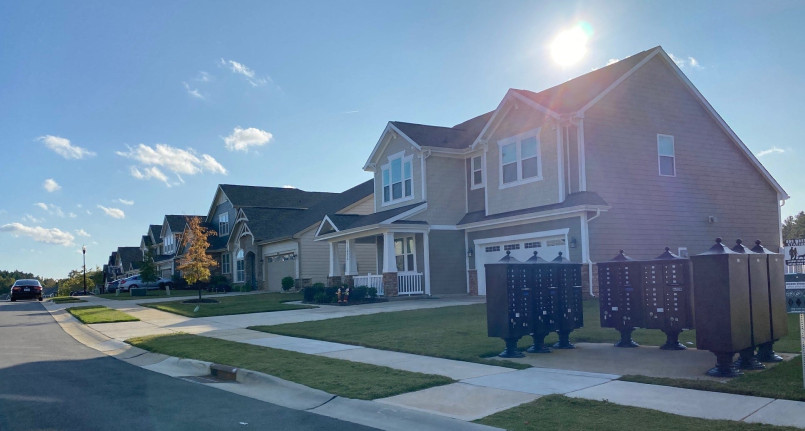
Understanding Homeownership Rates in America
Homeownership rates measure the percentage of housing units occupied by their owners rather than renters. According to the U.S. Census Bureau, the national homeownership rate has fluctuated between 63% and 69% over the past two decades, influenced by economic conditions, lending practices, and demographic shifts.
Several factors contribute to higher homeownership rates in certain states. Affordable housing prices relative to local incomes make purchasing more accessible than renting long-term. Stable employment markets provide the income security needed for mortgage approval. Additionally, cultural values emphasizing property ownership and favorable tax environments can encourage residents to buy rather than rent.
The states with the highest homeownership rates often combine lower cost of living, available land for development, and strong community ties that encourage long-term residence. These aren't necessarily the wealthiest states, but rather those where homeownership is economically feasible and culturally prioritized.
1. West Virginia
West Virginia consistently ranks as the state with the highest homeownership rate, typically exceeding 73%. The Mountain State's exceptional homeownership numbers stem from several converging factors that make buying more accessible than in most other regions.
The state's extremely affordable housing market is the primary driver, with median home prices significantly below the national average. Many properties are available for under $150,000, making monthly mortgage payments comparable to or even lower than rental costs in many areas. This affordability extends across both rural communities and smaller cities like Charleston and Morgantown.

Limited rental housing inventory in many West Virginia communities also pushes residents toward ownership. In smaller towns and rural areas, rental options are scarce, making purchasing a home the more practical choice for establishing long-term residence. The state's relatively low property taxes further reduce the ongoing costs of homeownership.
West Virginia's cultural heritage emphasizes land ownership and multi-generational property, with many families passing down homes through generations. This tradition reinforces homeownership as a cultural norm rather than merely an economic decision.
2. Maine
Maine boasts a homeownership rate around 72%, making it one of the top states for owner-occupied housing. The Pine Tree State's high ownership rate reflects both its rural character and its appeal to residents seeking long-term stability in close-knit communities.
Unlike urban centers where renting dominates, Maine's housing stock consists largely of single-family homes spread across small towns and rural areas. The state's limited apartment construction and rental inventory naturally channel residents toward homeownership. In many Maine communities, purchasing a modest home is more financially sensible than long-term renting.
Maine's population tends to be older and more settled, with lower mobility rates than more transient states. This demographic profile favors homeownership, as residents planning to stay in an area for many years benefit more from building equity through ownership rather than paying rent.

The state also attracts remote workers and retirees seeking affordable property in scenic locations. Maine's natural beauty, safe communities, and relatively reasonable property prices (compared to neighboring states like Massachusetts) make it attractive to those prioritizing homeownership and quality of life over urban amenities.
3. Vermont
Vermont's homeownership rate hovers around 71%, reflecting the Green Mountain State's combination of rural living patterns and community-oriented culture. Despite higher home prices than some states on this list, Vermont maintains strong ownership rates through unique characteristics.
The state's predominantly rural and small-town character means that traditional single-family homeownership is the norm rather than the exception. Vermont has relatively few large apartment complexes, and the rental market is limited in many communities, particularly outside Burlington and Montpelier.
Vermont's strong sense of community and emphasis on local roots encourages long-term residence, which naturally supports homeownership. Many Vermonters prioritize staying in their communities for decades, making the investment in property ownership economically sensible. The state's low population turnover reflects this stability.
Additionally, Vermont offers various first-time homebuyer programs and down payment assistance initiatives that help residents overcome the barrier of initial costs. These programs recognize that while Vermont homes may be pricier than in some states, supporting homeownership strengthens communities and economic stability.
4. Wyoming
Wyoming maintains a homeownership rate of approximately 71%, driven by the Cowboy State's abundance of land, small population, and favorable economic factors. As the least populous state, Wyoming offers unique advantages for aspiring homeowners.
The state's vast land availability keeps housing development costs relatively low, translating to affordable home prices in most communities. Even in more populated areas like Cheyenne and Casper, housing remains accessible compared to national averages. Rural properties with substantial acreage are available at prices that would be unthinkable in more densely populated states.

Wyoming's tax advantages significantly impact homeownership affordability. The state has no personal income tax, allowing residents to allocate more of their earnings toward mortgage payments and home maintenance. Property taxes are also relatively moderate, reducing the ongoing costs of homeownership.
The state's economy, supported by energy, agriculture, and tourism sectors, provides stable employment for many residents. Additionally, Wyoming's culture emphasizes self-sufficiency and land ownership, values deeply rooted in the state's ranching and frontier heritage.
5. Minnesota
Minnesota consistently maintains a homeownership rate around 71%, the highest in the Upper Midwest. The North Star State combines economic stability, strong employment opportunities, and a culture that values homeownership as a path to building generational wealth.
Minnesota's diverse and resilient economy provides the stable income necessary for homeownership. The state hosts numerous Fortune 500 companies, a robust healthcare sector, and strong manufacturing and technology industries. This economic diversity creates consistent employment opportunities that support mortgage qualification and long-term housing stability.
The state's excellent school systems and high quality of life attract families seeking to establish long-term roots. Minnesota consistently ranks high in education, healthcare, and overall livability, factors that encourage residents to invest in homeownership rather than remain transient renters.
Affordable housing options exist throughout much of Minnesota, particularly outside the Minneapolis-St. Paul metro area. Cities like Duluth, Rochester, and St. Cloud offer reasonable home prices combined with good employment prospects. Even within the Twin Cities metro, diverse neighborhoods provide homeownership opportunities across various price points.
Minnesota also has a strong tradition of community banking and credit unions that work with local residents to facilitate homeownership, along with state programs supporting first-time buyers and down payment assistance.
6. Michigan
Michigan's homeownership rate stands at approximately 71%, reflecting the Great Lakes State's affordable housing market and improving economic conditions. After weathering significant economic challenges during the automotive industry's downturn, Michigan has rebounded with diversified growth and renewed housing market strength.
The state offers some of the most affordable housing in the nation, particularly in mid-sized cities like Grand Rapids, Lansing, and Kalamazoo. Even Detroit, once synonymous with urban decline, has seen neighborhood revitalization and renewed homeownership opportunities. Median home prices remain significantly below national averages, making ownership accessible to middle-income families.

Michigan's recovering economy extends beyond automotive manufacturing to include technology, healthcare, and advanced manufacturing sectors. This diversification provides more stable employment foundations for homeownership. The state's multiple urban centers spread throughout both peninsulas offer varied opportunities for employment and homeownership.
The state's natural resources and recreational opportunities-including the Great Lakes, forests, and outdoor activities-make it attractive to residents seeking affordable quality of life. Many Michigan homeowners enjoy waterfront or near-water properties at prices unattainable in most coastal states.
7. Delaware
Delaware maintains a homeownership rate around 70%, impressive for a small state with diverse urban and suburban communities. The First State's high ownership rate stems from its unique combination of favorable tax policies, strategic location, and economic advantages.
Delaware's lack of sales tax and relatively low property taxes make ongoing homeownership more affordable than in neighboring states. This tax-friendly environment allows residents to allocate more income toward mortgage payments and home maintenance. The state also offers various first-time homebuyer programs and down payment assistance initiatives.
The state's strategic location between major metropolitan areas (Philadelphia, Baltimore, and Washington, D.C.) attracts residents seeking more affordable housing while maintaining access to urban employment and amenities. Many Delaware residents work in neighboring states while enjoying lower housing costs and property taxes at home.
Delaware's strong corporate presence-many companies incorporate in Delaware due to favorable business laws-creates employment opportunities and economic stability. The state's economy also benefits from healthcare, education, and financial services sectors, providing diverse job opportunities that support homeownership.
8. New Hampshire
New Hampshire's homeownership rate hovers around 70%, the highest in the Northeast outside of Maine. The Granite State's impressive ownership numbers reflect its tax advantages, strong economy, and appeal to residents seeking a rural or suburban lifestyle near urban opportunities.
New Hampshire's lack of income and sales taxes significantly impacts housing affordability. Without state income tax, residents can allocate more earnings toward mortgage payments. While property taxes are higher than in some states (as they fund local services without income tax revenue), the overall tax burden remains competitive with neighboring states.

The state's proximity to Boston makes it attractive to professionals seeking more affordable housing while working in Massachusetts. Many New Hampshire communities offer significantly lower home prices than comparable areas in eastern Massachusetts, even accounting for commuting distances.
New Hampshire's strong economy, bolstered by technology, manufacturing, healthcare, and tourism sectors, provides stable employment. The state consistently ranks high in median household income, giving residents the financial capacity for homeownership. Combined with excellent schools and low crime rates, these factors attract families committed to long-term residence.
9. Iowa
Iowa maintains a homeownership rate of approximately 70%, reflecting the Hawkeye State's affordable housing market, stable economy, and family-oriented communities. Iowa exemplifies how affordability and quality of life combine to support widespread homeownership.
The state offers exceptionally affordable housing, with median home prices well below national averages. Cities like Des Moines, Cedar Rapids, and Iowa City provide urban amenities alongside accessible home prices. Even Iowa's capital and largest city, Des Moines, maintains housing costs that make homeownership feasible for middle-income families.
Iowa's economy, while traditionally agricultural, has diversified significantly to include insurance, manufacturing, biotechnology, and renewable energy sectors. This economic diversity creates stable employment opportunities that support homeownership. The state's low unemployment rate and steady job growth provide the income security necessary for mortgage qualification.
The state's emphasis on strong communities and excellent schools attracts families planning to establish long-term roots. Iowa consistently ranks high in education quality, further encouraging families to invest in homeownership. The state's low crime rates and family-friendly environment reinforce the appeal of settling permanently.
10. Idaho
Idaho rounds out the top ten with a homeownership rate around 70%, though this has fluctuated in recent years due to rapid population growth. The Gem State's high ownership rate reflects its traditional affordability, quality of life, and appeal to those seeking a Western lifestyle.
Historically, Idaho offered very affordable housing, particularly outside Boise. While rapid in-migration has increased prices significantly in recent years, homeownership remains a priority for most residents. The state's expanding economy in technology, agriculture, tourism, and manufacturing sectors provides employment growth that supports continued homeownership.

Idaho's appeal includes abundant outdoor recreation, low crime rates, and a business-friendly environment. These factors attract both young families and retirees seeking to establish permanent residence. The state's no personal income tax on Social Security benefits particularly appeals to retirees, many of whom purchase homes upon relocation.
The state's rapid growth reflects its attractiveness, but also challenges future homeownership rates. As prices rise in popular areas like Boise, Coeur d'Alene, and Idaho Falls, maintaining high ownership rates will depend on wage growth, housing development, and market adjustments.
What These States Have in Common
Despite geographic and cultural diversity, these high-homeownership states share several important characteristics that facilitate widespread property ownership.
Affordability relative to incomes stands out as the most consistent factor. While Vermont and New Hampshire have higher absolute home prices, they also have higher median incomes. States like West Virginia and Iowa offer lower absolute prices. In all cases, the price-to-income ratio makes homeownership accessible to median-income households.
Limited rental housing stock in many communities naturally channels residents toward ownership. Unlike urban centers with extensive apartment construction, these states' housing markets emphasize single-family homes. When rental options are scarce or expensive relative to ownership costs, buying becomes the logical choice.
Lower population density characterizes most of these states. Abundant land keeps development costs manageable, preventing the extreme price appreciation seen in densely populated coastal areas. This land availability supports continued affordable housing development.
Stable, less transient populations favor homeownership over renting. These states attract residents planning long-term stays rather than short-term relocations. Whether due to family ties, employment stability, or lifestyle preferences, lower mobility rates support higher ownership rates.
Cultural values emphasizing property ownership persist in many of these states. Whether rooted in agricultural heritage, frontier traditions, or New England property rights history, these cultures view homeownership as both a financial goal and a marker of stability and success.
Implications for Future Homebuyers
Understanding where Americans most commonly own homes offers valuable insights for prospective buyers considering where to establish roots and invest in property.
Affordability remains king for widespread homeownership. States where median-income families can realistically purchase homes maintain the highest ownership rates. Aspiring homeowners should research price-to-income ratios rather than absolute prices, considering local wages alongside housing costs.

Remote work opportunities have expanded options for homeownership. Previously, employment in expensive coastal cities limited options. Today, remote workers can pursue homeownership in affordable states while maintaining higher-paying positions, combining the best of both worlds.
Consider total cost of ownership beyond purchase price. Property taxes, insurance, maintenance costs, and state income taxes all impact affordability. States with no income tax (like Wyoming and New Hampshire) or low property taxes (like West Virginia) can make homeownership more sustainable even if purchase prices are higher.
Quality of life factors influence long-term satisfaction with homeownership. Schools, healthcare access, recreational opportunities, and community characteristics matter as much as financial considerations. The states with highest ownership rates often excel in these quality-of-life measures, explaining why residents choose to stay and invest in property.
Market timing and trends matter for future appreciation. Some high-ownership states like Idaho have seen rapid appreciation, while others offer stability rather than dramatic gains. Understanding local market dynamics helps buyers set realistic expectations for their investment.
For those prioritizing homeownership as a path to financial stability and community belonging, these ten states demonstrate that the American Dream of owning a home remains achievable in many parts of the country. Strategic location choices, combined with realistic budgeting and long-term planning, can make homeownership accessible even in today's challenging housing market.
Frequently Asked Questions About 10 States Where Most People Own Their Homes
Which state has the highest homeownership rate in America?
West Virginia consistently has the highest homeownership rate, typically exceeding 73%. This is primarily due to extremely affordable housing prices, limited rental options in many communities, low property taxes, and a cultural tradition of property ownership. Many homes are available for under $150,000, making monthly mortgage payments comparable to or lower than renting.
Why do rural states have higher homeownership rates?
Rural states typically have higher homeownership rates because of abundant available land that keeps housing development costs low, limited rental housing inventory that channels residents toward ownership, lower population density that prevents extreme price appreciation, and cultural values that emphasize land ownership. Additionally, in many rural communities, purchasing is more practical than renting long-term.
What is the national average homeownership rate?
The national homeownership rate typically ranges between 63% and 69%, fluctuating based on economic conditions, lending practices, and demographic shifts. According to the U.S. Census Bureau, it has averaged around 65-66% in recent years. The states on this list significantly exceed this average, with rates of 70% or higher.
Does a high homeownership rate mean a state is wealthy?
Not necessarily. High homeownership rates reflect affordability relative to local incomes rather than absolute wealth. West Virginia has the highest ownership rate but lower median incomes, while states like Minnesota have both high ownership and higher incomes. The key factor is whether median-income families can afford to purchase homes in their local market.
Are homes cheaper in states with high homeownership rates?
Generally yes, though it varies. States like West Virginia, Iowa, and Michigan offer very affordable absolute prices. Others like Vermont and New Hampshire have higher prices but also higher local incomes, making the price-to-income ratio favorable. The common thread is that homeownership is financially accessible to typical residents relative to local wages and rental costs.
What states have the lowest homeownership rates?
States with the lowest homeownership rates are typically those with expensive housing markets and large urban populations, including California, New York, Nevada, and Hawaii. These states have rates in the 50-60% range, as high housing costs relative to incomes make ownership difficult for many residents, particularly in major metropolitan areas.
How do taxes affect homeownership rates?
Favorable tax policies significantly support homeownership. States with no personal income tax (Wyoming, New Hampshire) allow residents to allocate more income toward mortgages. Delaware's lack of sales tax and low property taxes reduce ongoing ownership costs. Lower property taxes in states like West Virginia make monthly housing costs more manageable compared to states with high property tax burdens.
Can remote workers benefit from these high-ownership states?
Absolutely. Remote workers can pursue homeownership in affordable states while maintaining higher-paying positions based elsewhere. This combination of higher incomes with lower housing costs makes homeownership particularly accessible. Many high-ownership states like Maine, Vermont, Idaho, and New Hampshire have seen influxes of remote workers seeking this advantage.