
As living costs continue rising across much of America, several states stand out as havens of affordability where your paycheck stretches further. From the heartland to the South, these ten states offer dramatically lower housing prices, reduced tax burdens, and everyday expenses that make homeownership and comfortable living accessible to more families. Whether you're considering relocation for retirement, remote work, or simply seeking financial breathing room, these destinations prove that the American dream of affordable living is still alive and well in 2026.
The cost of living crisis affecting major metropolitan areas has prompted millions of Americans to reconsider where they call home. While coastal cities see median home prices exceeding $700,000 and rent consuming half of average incomes, a different reality exists in America's heartland and Southern states. These regions offer dramatically lower housing costs, affordable healthcare, reduced tax burdens, and grocery bills that won't break the bank.
In 2026, the gap between expensive and affordable states has widened even further, making strategic relocation an increasingly attractive option for families, retirees, and remote workers. The ten states featured here provide not just affordability, but genuine quality of life with strong communities, growing job markets in many sectors, and the financial freedom to save, invest, and enjoy life beyond mere survival.
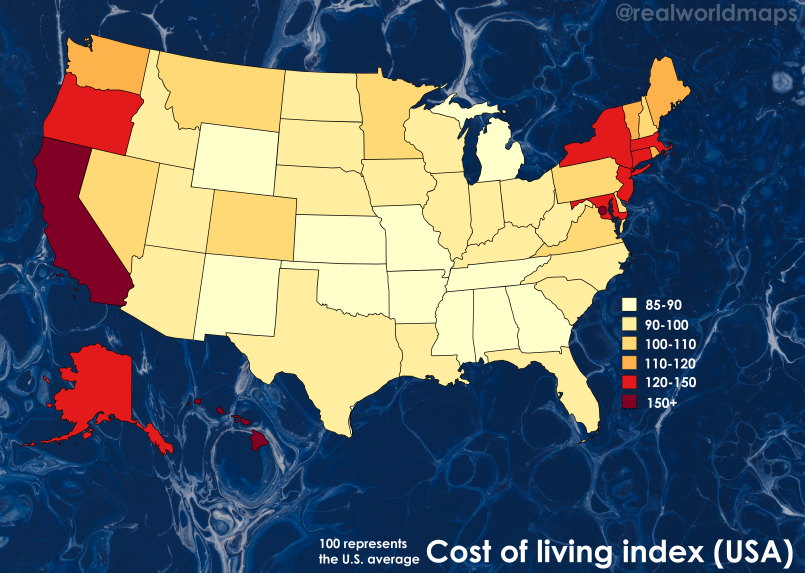
Understanding Cost of Living Metrics
Cost of living calculations incorporate multiple expense categories that affect household budgets. Housing typically represents the largest factor, including both home prices and rental rates. The national average is indexed at 100, so a state with a cost of living index of 85 means expenses are 15% below the national average, while 115 indicates 15% above average.
Beyond housing, the metrics include grocery costs, healthcare expenses, transportation, utilities, and state/local taxes. A state might have cheap housing but expensive healthcare, or low property taxes but high sales taxes. The states listed here excel across multiple categories, offering comprehensive affordability rather than isolated savings in just one area.
It's worth noting that lower costs often correlate with lower average wages, but this relationship isn't proportional. Many of these states offer excellent value propositions where wages might be 10-15% lower, but living costs are 20-30% cheaper, resulting in significantly higher purchasing power and savings potential.
1. Mississippi
Mississippi consistently ranks as America's most affordable state, with a cost of living index around 84.5 in 2026. The median home price hovers near $180,000, less than a third of what comparable homes cost in many coastal markets. Rental properties average $850 monthly for a two-bedroom apartment, making homeownership and renting both accessible options.

The state offers no state tax on groceries and relatively low property taxes, typically ranging from 0.5% to 0.8% of assessed value. Healthcare costs run approximately 15% below the national average, and utilities remain reasonable despite hot, humid summers requiring air conditioning. Cities like Hattiesburg, Tupelo, and Meridian combine affordability with cultural amenities, growing healthcare sectors, and strong community ties.
Mississippi's economy has diversified beyond its agricultural roots, with aerospace manufacturing, automotive production, and healthcare providing stable employment. The state's natural beauty, from Gulf Coast beaches to Delta blues heritage sites, adds quality-of-life value that transcends pure economics.
2. Oklahoma
With a cost of living index near 85.8, Oklahoma offers exceptional value particularly in housing and energy costs. The median home price sits around $195,000 statewide, with Tulsa and Oklahoma City offering urban amenities at prices that would seem impossible in comparably-sized cities elsewhere. Quality three-bedroom homes in safe neighborhoods frequently list under $220,000.
Energy costs are notably low thanks to abundant local oil and natural gas production, keeping utility bills manageable even during temperature extremes. The state has no property tax on vehicles, and grocery costs run about 12% below national averages. Sales tax rates vary by municipality but remain competitive with neighboring states.

Oklahoma's economy benefits from energy sector jobs, aviation manufacturing (including Boeing facilities), and a growing tech sector in Oklahoma City and Tulsa. The state's central location provides easy access to major markets, while natural attractions like the Wichita Mountains and numerous lakes offer recreational opportunities. Weather can be volatile with tornado risk, but modern warning systems and building codes have significantly improved safety.
3. Arkansas
Arkansas combines Southern charm with Midwest affordability, posting a cost of living index around 86.3 in 2026. Housing remains remarkably affordable with a median home price near $205,000. Cities like Fayetteville, Bentonville, and Rogers in the northwest benefit from Walmart's headquarters presence, offering stronger job markets and higher wages while maintaining below-average living costs.
The state charges lower property taxes than most Southern states, averaging around 0.6% of home value. Grocery costs benefit from proximity to agricultural production and distribution centers. Healthcare costs run approximately 13% below national averages, with excellent facilities in Little Rock and the northwest corridor.
Arkansas offers surprising geographic diversity from the Ozark Mountains to Delta flatlands and the Ouachita National Forest. The state has invested heavily in outdoor recreation infrastructure, creating world-class mountain biking trails and preserving natural areas. The cultural scene in Fayetteville and Little Rock includes museums, performing arts, and a growing culinary reputation, particularly around Bentonville's Crystal Bridges Museum of American Art.
4. Kansas
Kansas ranks fourth with a cost of living index near 87.0, offering stable communities and solid infrastructure at prices that allow comfortable middle-class living. The median home price statewide is approximately $215,000, with significant variation between urban areas like the Kansas City suburbs and smaller communities across the state.

Property taxes are moderate, typically ranging from 1.3% to 1.5%, which is higher than some Southern states but still reasonable given the quality of schools and services provided. The state has no sales tax on groceries, a significant savings for families. Utilities remain affordable, and the generally moderate climate (despite occasional extremes) keeps heating and cooling costs manageable.
Kansas's economy blends agriculture, aviation manufacturing (Wichita is a major aircraft production hub), and growing technology and healthcare sectors. The state's central location and excellent transportation infrastructure support logistics and distribution businesses. Education is prioritized, with strong public school systems in many districts and respected universities providing cultural and economic anchors in college towns like Lawrence and Manhattan.
5. Alabama
Alabama's cost of living index around 87.5 reflects affordable housing combined with Southern hospitality and improving urban centers. The median home price is approximately $220,000, with significant affordability in cities like Birmingham, Huntsville, Montgomery, and Mobile. Huntsville particularly stands out as a growing tech and aerospace hub with NASA's Marshall Space Flight Center and numerous defense contractors creating high-paying jobs in a low-cost environment.
The state features low property taxes, typically 0.4% to 0.8% of assessed value, among the nation's lowest. Grocery costs run about 8% below national averages, and utilities remain reasonable despite hot summers. Alabama charges no state tax on prescription medications, a significant benefit for retirees and those with chronic conditions.

Beyond affordability, Alabama offers diverse geography from Appalachian foothills to Gulf Coast beaches. The college football culture provides entertainment and community identity, while cities like Birmingham have undergone remarkable revitalization with thriving food scenes and cultural districts. The state's automotive manufacturing sector (Mercedes, Honda, Hyundai plants) provides stable employment and has elevated the economic profile.
6. West Virginia
West Virginia's cost of living index near 88.0 reflects some of America's lowest housing costs combined with challenges in economic transition. The median home price is approximately $155,000, the lowest among states on this list, with entire houses available for prices that wouldn't cover down payments elsewhere. However, the housing market varies significantly, with some areas facing declining populations while others near Charleston, Morgantown, and the Eastern Panhandle remain stable or growing.
Property taxes are exceptionally low, averaging around 0.55% of assessed value. Utilities can be higher than neighboring states during winter months due to heating costs, but overall living expenses remain well below national averages. Groceries and healthcare both run approximately 8-10% below typical U.S. costs.
The state's economy has struggled with the decline of coal mining, but diversification efforts focus on tourism, outdoor recreation, natural gas extraction, and attracting remote workers with programs offering cash incentives to relocate. West Virginia's natural beauty is undeniable, with mountains, rivers, and forests creating outdoor recreation opportunities that rival more expensive states. The New River Gorge National Park designation has boosted tourism infrastructure and recognition.
7. Iowa
Iowa's cost of living index around 88.5 represents Midwest stability and quality at affordable prices. The median home price is approximately $225,000, with Des Moines, Cedar Rapids, and Iowa City offering urban amenities while maintaining costs far below coastal cities. Housing stock tends to be well-maintained, and neighborhoods often feature the tree-lined streets and community parks that define classic American suburban living.

Property taxes are moderate to high at around 1.5%, but this funds excellent school systems that consistently rank among the nation's best. Grocery costs are slightly below average, benefiting from proximity to agricultural production. Healthcare quality is generally high with costs running near or slightly below national averages.
Iowa's economy benefits from agricultural technology, financial services, manufacturing, and renewable energy. Major employers like Principal Financial and insurance companies provide white-collar jobs, while advanced manufacturing sustains blue-collar employment. The state consistently ranks high for quality of life, low crime rates in most areas, and strong social cohesion. The education system and relatively low unemployment make it particularly attractive for families.
8. Missouri
Missouri's cost of living index near 89.0 reflects diverse options from major urban centers to small-town America. The median home price is approximately $235,000, with significant variation between expensive suburbs of Kansas City and St. Louis versus affordable small cities like Springfield, Columbia, and Joplin. Both major metro areas offer neighborhoods where quality homes remain under $300,000.
The state features moderate property taxes averaging 1.0% and no local income taxes beyond the state rate. Grocery costs run slightly below national averages, and utilities remain reasonable across most of the state. Missouri charges no sales tax on prescription drugs, providing savings for healthcare expenses.

Missouri's central location makes it a logistics and distribution hub, while both Kansas City and St. Louis host major healthcare systems, universities, and corporate headquarters. The state offers surprising cultural depth with world-class museums, performing arts, and historic sites. Outdoor recreation includes the Ozark Mountains, numerous lakes, and the scenic Missouri River corridor. The state's barbecue culture and craft brewery scene punch above their weight in national culinary conversations.
9. Indiana
Indiana's cost of living index around 89.8 places it just inside the top ten, offering strong manufacturing employment and Midwest values at affordable prices. The median home price is approximately $240,000, with Indianapolis providing big-city amenities at modest costs, while smaller cities like Fort Wayne, Evansville, and Bloomington offer even greater affordability with their own distinctive character.
Property taxes are moderate at around 0.9% statewide, though rates vary by county. The state has a flat income tax rate that's competitive with neighboring states. Grocery and utility costs both run near national averages, while healthcare expenses are approximately 7% below typical U.S. costs.
Indiana's economy centers on advanced manufacturing, pharmaceuticals (Eli Lilly headquarters), medical device production, and logistics. The state's central location and excellent highway infrastructure make it ideal for distribution operations. Indiana offers surprising cultural attractions including Indianapolis's museums and monuments, college towns with vibrant arts scenes, and extensive state park systems. The motorsports heritage centered on the Indianapolis Motor Speedway creates a unique cultural identity.
10. Tennessee
Tennessee rounds out the top ten with a cost of living index near 90.2, offering no state income tax and diverse urban options. The median home price is approximately $310,000, higher than other states on this list, but major markets like Nashville have seen such explosive growth that surrounding areas and cities like Knoxville, Chattanooga, and the Tri-Cities region still offer relative affordability compared to national averages.

The absence of state income tax provides significant savings for higher earners, though this is partially offset by higher sales tax rates (typically 9-10% including local taxes) and moderate property taxes around 0.7%. Grocery costs are near national averages, and healthcare expenses vary significantly by region but generally track close to typical U.S. costs.
Tennessee's economy has diversified dramatically, with Nashville's healthcare and music industries, Chattanooga's tech renaissance, Memphis's logistics dominance, and Knoxville's mix of manufacturing and university presence. The state offers incredible geographic and cultural diversity from the Smoky Mountains to Mississippi River Delta, country music heritage to blues history, and outdoor recreation that attracts millions of visitors annually. The growing population and business-friendly environment continue attracting companies and residents, though this success is gradually eroding the affordability advantage in the most popular areas.
Key Factors Beyond Cost When Relocating
While affordability is compelling, successful relocation requires considering multiple factors beyond pure economics. Employment opportunities in your field should top the list-a lower cost of living means nothing if you can't find work or must accept dramatically reduced compensation that exceeds the savings. Research industry presence, major employers, and economic trends in your target area.
Quality of schools matters immensely for families, and this varies substantially even within affordable states. Research specific school districts, graduation rates, college preparation programs, and extracurricular offerings. Similarly, healthcare access and quality becomes critical as you age-verify that your new location has adequate medical facilities, specialists, and emergency services.
Climate and weather patterns affect both quality of life and costs-tornado-prone areas may require storm shelters and have higher insurance costs, while extremely hot or cold climates increase utility expenses. Consider cultural fit and lifestyle alignment, including political climate, religious communities, diversity, arts and entertainment options, and recreational opportunities that match your interests.

Finally, assess future growth prospects-is the area gaining or losing population? Are businesses investing or leaving? Is infrastructure improving or deteriorating? The most affordable place today might face challenges tomorrow, while slightly less cheap locations with stronger growth trajectories may offer better long-term value and appreciation.


