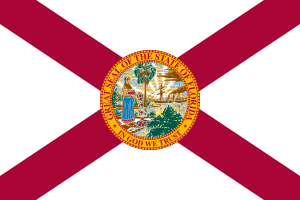
Basic Information
Florida, located in the southeastern United States, is known for its sunny climate and diverse attractions.
Capital
- Tallahassee
Largest City
- Jacksonville
Area
- 65,757 sq mi
Population
- 21,538,187 (2020)
Demographics
Florida's population is diverse, with a mix of retirees, tourists, and residents from various ethnic backgrounds.
Ethnic Composition
- White:77.3%
- Hispanic:26.4%
- African American:17.0%
- Asian:3.0%
- Native American:0.4%
Languages
- English:74.5%
- Spanish:21.5%
- Other:4.0%
Age Distribution
- Under 18:20.3%
- 18-64:60.5%
- 65+:19.2%
Population Growth
- Annual Rate:1.5%
- Natural Increase:80,000
- Migration:240,000
Economy
Florida's economy is driven by tourism, agriculture, construction, and aerospace.
GDP
- $1.2 trillion (2022)
Major Industries
- Tourism
- Agriculture
- Construction
- Aerospace
- International Trade
- Financial Services
- Healthcare
Employment Rate
- Employed:96.0%
- Unemployment:4.0%
Major Companies
- Publix Super Markets
- NextEra Energy
- Carnival Corporation
- Jabil Inc.
- Raymond James Financial
- AutoNation
- Office Depot
Key Ports
- PortMiami
- Port Everglades
- Port Tampa Bay
- Jacksonville Port Authority
Climate
Florida has a subtropical and tropical climate with hot, humid summers and mild winters.
Seasons
- Summer:Hot and humid (avg. 90°F)
- Winter:Mild (avg. 65°F)
- Spring/Fall:Warm
Rainfall
- 50-60 inches/year
Hurricanes
- June to November (hurricane season)
- prone to tropical storms and hurricanes.
Visiting Florida
Florida offers a wide range of attractions, from theme parks and beaches to natural wonders and cultural sites.
Best Time to Visit
- Spring/Fall:Mild temperatures and fewer crowds
- Summer:Beach activities and water sports
Transportation
- Major Airports:Miami International Airport (MIA), Orlando International Airport (MCO), Fort Lauderdale-Hollywood International Airport (FLL)
- Train Routes:Amtrak Silver Service
- Highway System:Interstate 95, Florida's Turnpike, Interstate 75
Accommodation
- Hotels:Various options in cities and resorts
- Vacation Rentals:Popular for families and groups
- Average Hotel Rate:$150-$250/night
Tourist Information
- Visitor Centers:Located throughout the state
- Tourism Website:Visit Florida
- Info Hotline:1-888-7FLA-USA
Popular Attractions
Florida's attractions range from theme parks and beaches to natural wonders and cultural sites.
Theme Parks
- Walt Disney World Resort
- Universal Orlando Resort
- SeaWorld Orlando
- Legoland Florida
- Busch Gardens Tampa Bay
Beaches
- Miami Beach
- Clearwater Beach
- Daytona Beach
- Fort Lauderdale Beach
- Siesta Key Beach
- Panama City Beach
Natural Attractions
- Everglades National Park
- Dry Tortugas National Park
- Florida Keys
- Silver Springs State Park
- Ocala National Forest
- Biscayne National Park
Cultural Attractions
- Kennedy Space Center Visitor Complex
- Vizcaya Museum & Gardens
- Salvador Dalí Museum
- Ernest Hemingway Home and Museum
- Ringling Museum of Art
- St. Augustine Historic District
History
Florida's history is marked by early Native American settlements, Spanish colonization, and its role as a U.S. state.
Early History
- Native American Tribes:Seminole, Timucua, Calusa
- Spanish Exploration:1513 (Juan Ponce de León)
- French Settlement:1564 (Fort Caroline)
- Spanish Colony:1565 (St. Augustine)
- First permanent european settlement in us:St. Augustine
Colonial Era
- British Control:1763
- Spanish Return:1783
- Second Spanish Period:1783-1821
- U.S. Acquisition:1821
19th Century
- Seminole Wars
- Statehood:1845
- Civil War and Reconstruction
- Development of citrus and tourism industries
- Henry Flagler and the East Coast Railway
20th Century
- Land boom and bust
- World Wars and economic changes
- Space Age and Kennedy Space Center
- Growth of tourism and retirement communities
- Development of Miami and South Florida
Recent History
- Hurricane Andrew (1992)
- Economic diversification
- Environmental conservation
- Population growth and urbanization
- Impact of tourism and development on ecosystems
State Symbols
Florida has adopted various official state symbols that represent its natural and cultural heritage.
State Animals
-
State Animal:Florida Panther
-
State Bird:Northern Mockingbird
-
State Fish:Atlantic Sailfish
-
State Insect:Zebra Longwing Butterfly
-
State Saltwater Mammal:Manatee
-
State Freshwater Fish:Largemouth Bass
State Plants
-
State Flower:Orange Blossom
-
State Tree:Sabal Palm
-
State Wildflower:Coreopsis
Cultural Symbols
-
State Colors:Gold and White
-
State Song:"The Swanee River (Old Folks at Home)"
-
State Motto:"In God We Trust"
-
State Play:"Cross and Sword"
Other Symbols
-
State Gemstone:Moonstone
-
State Shell:Horse Conch
-
State Beverage:Orange Juice
-
State Soil:Myakka Fine Sand
State Facts
Interesting and unique facts about Florida that showcase its distinctive character and achievements.
Geographic Facts
-
Highest Point:Britton Hill (345 ft)
-
Longest River:St. Johns River
-
Largest Lake:Lake Okeechobee
-
Lowest Point:Sea level (along the coast)
-
Largest Spring:Wakulla Springs
Records & Rankings
- Longest coastline in the contiguous U.S.
- Home to numerous theme parks and tourist attractions
- Significant hub for space exploration
- Known for its citrus industry
- Largest producer of tomatoes in the US
Notable Firsts
- First scheduled airline flight (St. Petersburg to Tampa, 1914)
- Significant contributions to space exploration
- Early development of air conditioning
-
First underwater hotel:Jules' Undersea Lodge
Unique Features
- Diverse ecosystems, including the Everglades and coral reefs
- Rich cultural heritage with Spanish and Caribbean influences
- Significant tourism and retirement industries
- Vulnerable to hurricanes and sea-level rise
- Home to the only living coral barrier reef in the continental U.S.
Government & Politics
Florida has a constitutionally mandated structure encompassing Executive, Legislative, and Judicial branches.
Governor
- Ron DeSantis (in office since 2019)
Legislature
- Bicameral:State Senate and House of Representatives
Political Trends
- Historically Democratic, shifting Republican trends
Key Political Issues
- Tourism and Economic Development
- Environmental Conservation
- Education Funding
- Healthcare Access
- Hurricane preparedness and recovery
- Immigration and border security
Major Political Parties
- Republican Party
- Democratic Party
Electoral Votes
- 30
Time Zones
Florida observes Eastern Time Zone (ET) and Central Time Zone (CT), with daylight saving time observed.
Eastern Time Zone
- Eastern Standard Time (EST, UTC -5)
- Eastern Daylight Time (EDT, UTC -4)
Central Time Zone
- Central Standard Time (CST, UTC -6)
- Central Daylight Time (CDT, UTC -5)
Education
Florida has a public education system that includes K-12 schools, community colleges, and universities.
Major Public Systems
- University of Florida System
- Florida State University System
- University of Central Florida
- Florida Atlantic University
- University of South Florida
Notable Private Institutions
- University of Miami
- Rollins College
- Stetson University
- Barry University
- Nova Southeastern University
K-12 System
- Public school system with local control
Key Educational Initiatives
- STEM education focus
- Early childhood education programs
- Workforce development initiatives
- School choice programs
Average Teacher Salary
- $48,000
Culture & Festivals
Florida's cultural scene is rich with diverse influences, including Caribbean, Latin American, and Southern traditions.
Major Festivals
- Art Basel Miami Beach
- Florida Film Festival
- Calle Ocho Festival
- Epcot International Food & Wine Festival
- Daytona Bike Week
- Fantasy Fest (Key West)
Music & Arts
- Miami City Ballet
- Orlando Philharmonic Orchestra
- Ringling Museum of Art
- Wynwood Walls
- Florida Grand Opera
- American Stage Theatre Company
Cultural Influences
- Caribbean and Latin American traditions
- Southern and Gulf Coast heritage
- Diverse immigrant communities
- Tourist and entertainment culture
- Significant influence of retirees
Food & Drink
- Cuban cuisine (Miami)
- Seafood and stone crab
- Citrus-based dishes
- Craft breweries and rum distilleries
- Key lime pie
- Conch fritters